The Flexible Accommodation landscape is undergoing a significant transformation, driven by the growing interest in the branded residences. Traditionally associated with luxury and exclusivity, these properties are democratising and opening their doors to a wider public.
According to data from Savills, growth is expected to be 100% in the number of branded residency schemes over the next seven yearsThe luxury segment's share of the market is declining as mid-tier and upper-tier offerings gain ground. This shift is in response to the recognition by developers of the huge potential that lies in the middle-class market.
Unlike their luxury counterparts, mid-level branded residences are not based on exclusivity, but rather on the volume. By offering more affordable prices, the market expands considerably, increasing the buyer base. Wyndham Hotels & Resorts, for example, has been expanding its offering of branded mid- and upper-tier residences over the past five years, focusing on well-known brands such as Ramada, and is currently signing more such deals than ever before.
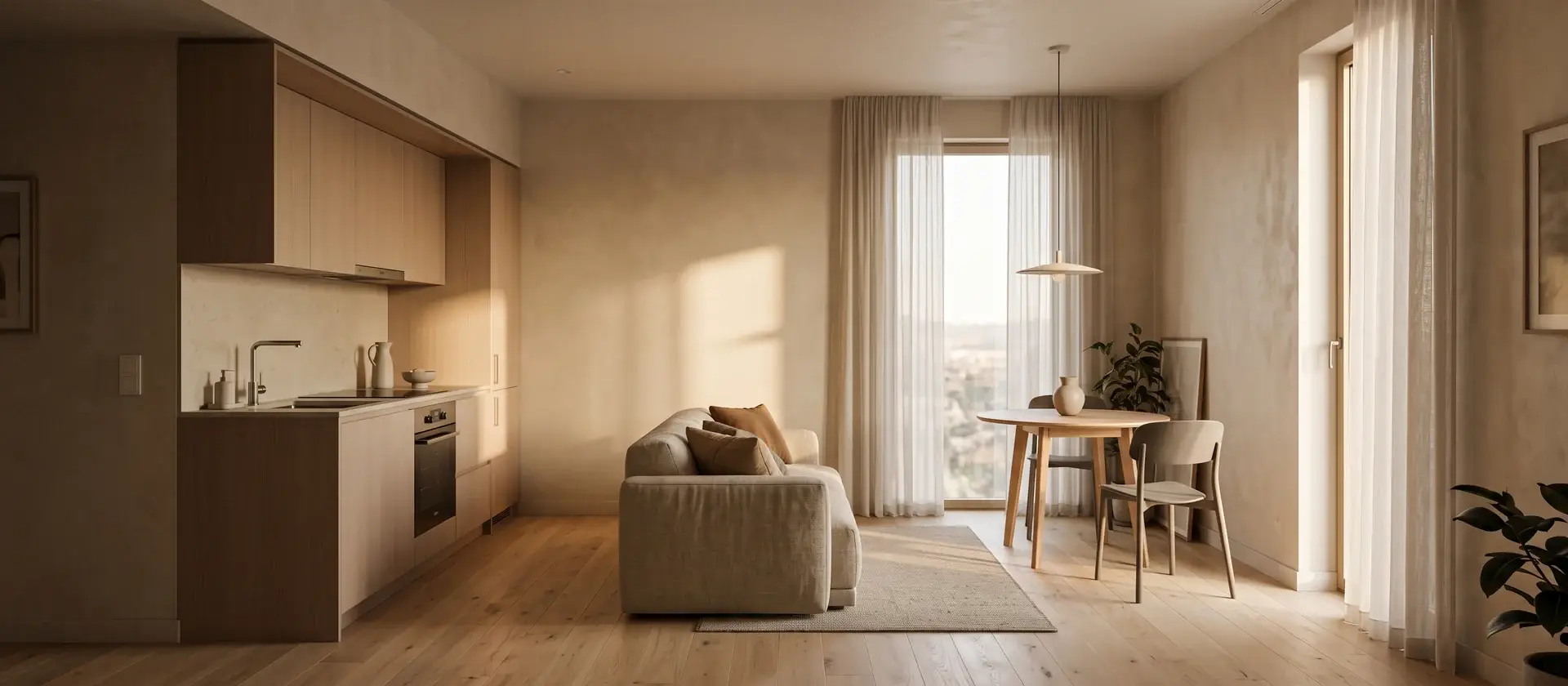
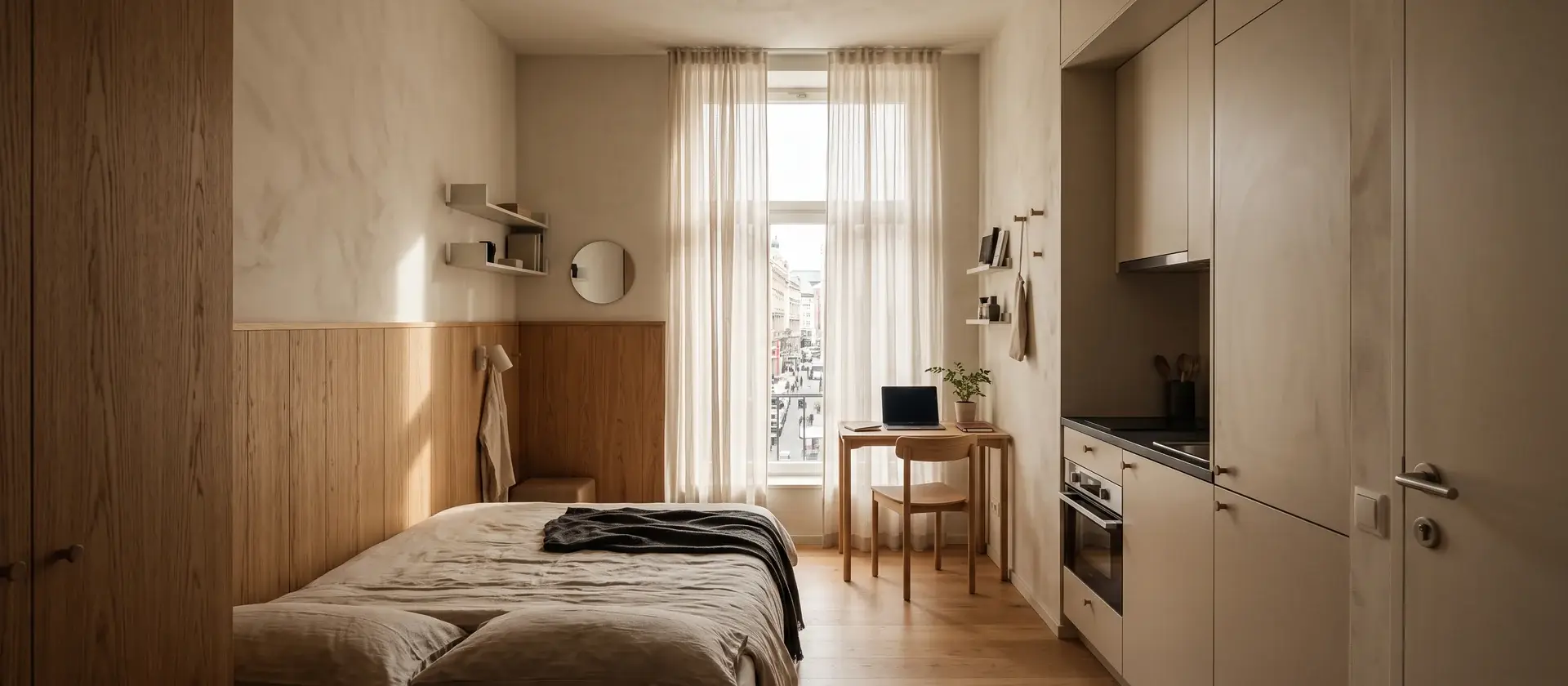
This type of Flexible Accommodation represents a affordable lifestyle opportunityoffering functionality and good design without the need for all the services and facilities of a five-star experience.
The emerging markets with a growing middle class represent a particularly receptive audience for this type of product. The affiliation with an internationally recognised brand increases confidence in resale value, operating standards and revenue potential, making it an attractive alternative to unbranded residences. Wyndham has seen strong growth in regions such as the CIS, Georgia and Pakistan, and anticipates massive potential in India. To be successful in these markets, brands must have recognition and scalability. However, simply adding a brand name is no guarantee of success; the differentiation and a clear strategy are crucial, ensuring that the right brand attracts the right audience in the right location, backed by proper research and planning.
Advanced markets such as North America and Asia-Pacific are also experiencing an increase in branded residences. In North America, brands such as Accor's Novotel Living and Adagio, and Marriott's Sheraton Residences and Element by Westin have shown interest. In Asia-Pacific, Vietnam, Thailand and Indonesia stand out for their rapid growth, followed by the Philippines. It is expected that Asia-Pacific will rival North America in the number of branded residential developments over the next 12 years.with markets such as Vietnam and Thailand showing significant annual growth. The most advanced markets will experience the strongest growth in the non-luxury segments.
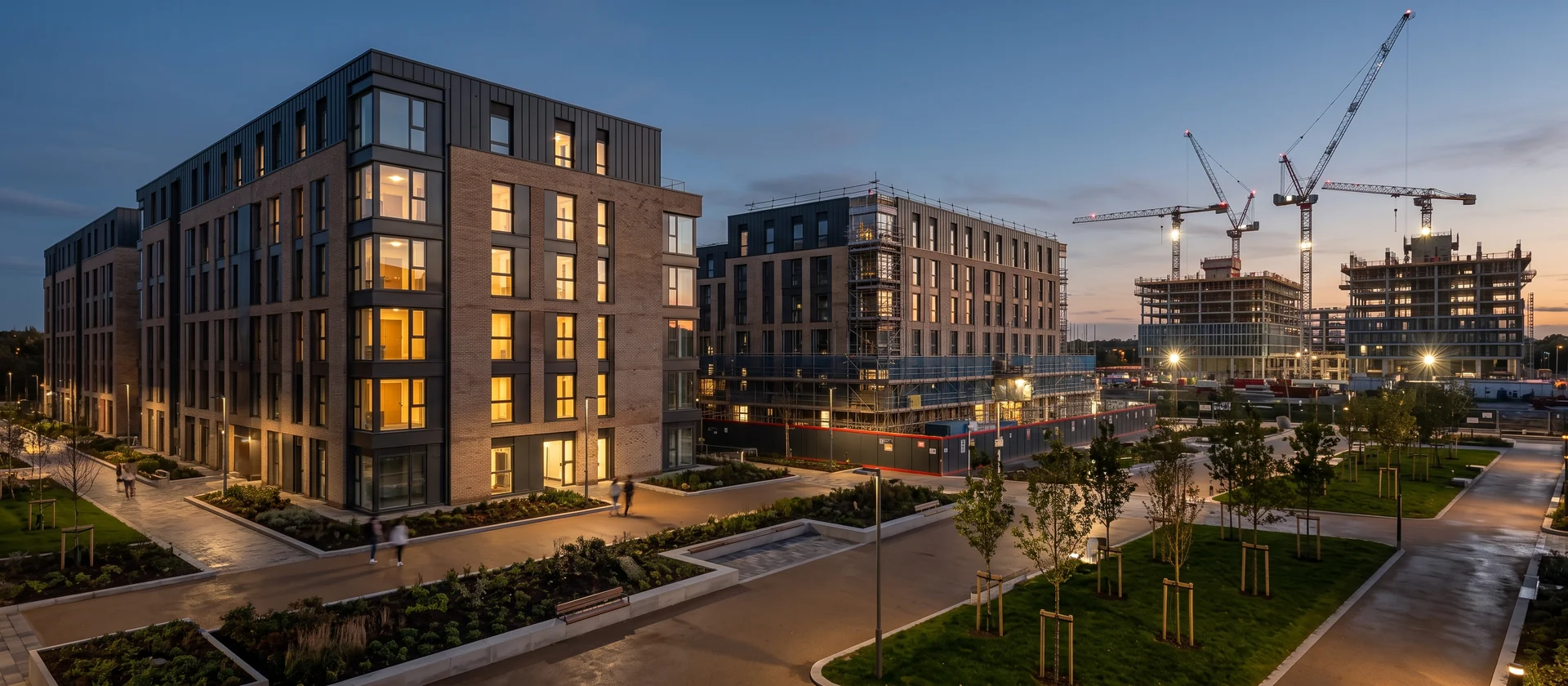
The business model of the mid-tier branded residences is differentiated by their cost and revenue profile. Unlike luxury developments, which require significant capital investment and are targeted at a narrow group of buyers, mid-tier developments are often located in the middle of the market. secondary or tertiary marketswhere land and construction costs are lower, allowing for competitive prices and faster sales. The location is a determining factor for affordability. In the United States, this type of Flexible Accommodation is gaining ground in second and third tier cities.
In order to be successful in the Flexible Accommodation sector through mid-tier branded residences, it is essential to have the right professionals, developers and suitable operatorsas well as with a transparent sales process. It is recommended to seek specialist advice on branding, marketing, feasibility studies and operations. The complexity of brand residency agreements makes expert legal advice in international markets particularly important.
In Europe, according to Savills, a 180% growth in branded residences up to 2031The market is the third most dynamic in the world, behind North America and Asia-Pacific. While London continues to lead in terms of the number of projects completed and in the pipeline, the lifestyle destinationsThe European market has a balance of urban and resort environments, with a clear shift towards urban and resort. The European market presents a balance between urban and holiday environments, with a clear evolution towards a more urban and holiday environment. tourist locationsThe reason for this is the difficulty of developing this type of product in cities with scarce and expensive land. In Europe, Radisson Blu leads hotel brand ranking in Eastern and Northern Europe, while Six Senses is positioned in the luxury and wellness segment. In the non-hotel sector, the design firm YOO continues to lead, and the fashion brands such as Elie Saab, Versace and Armani are betting heavily on real estate.
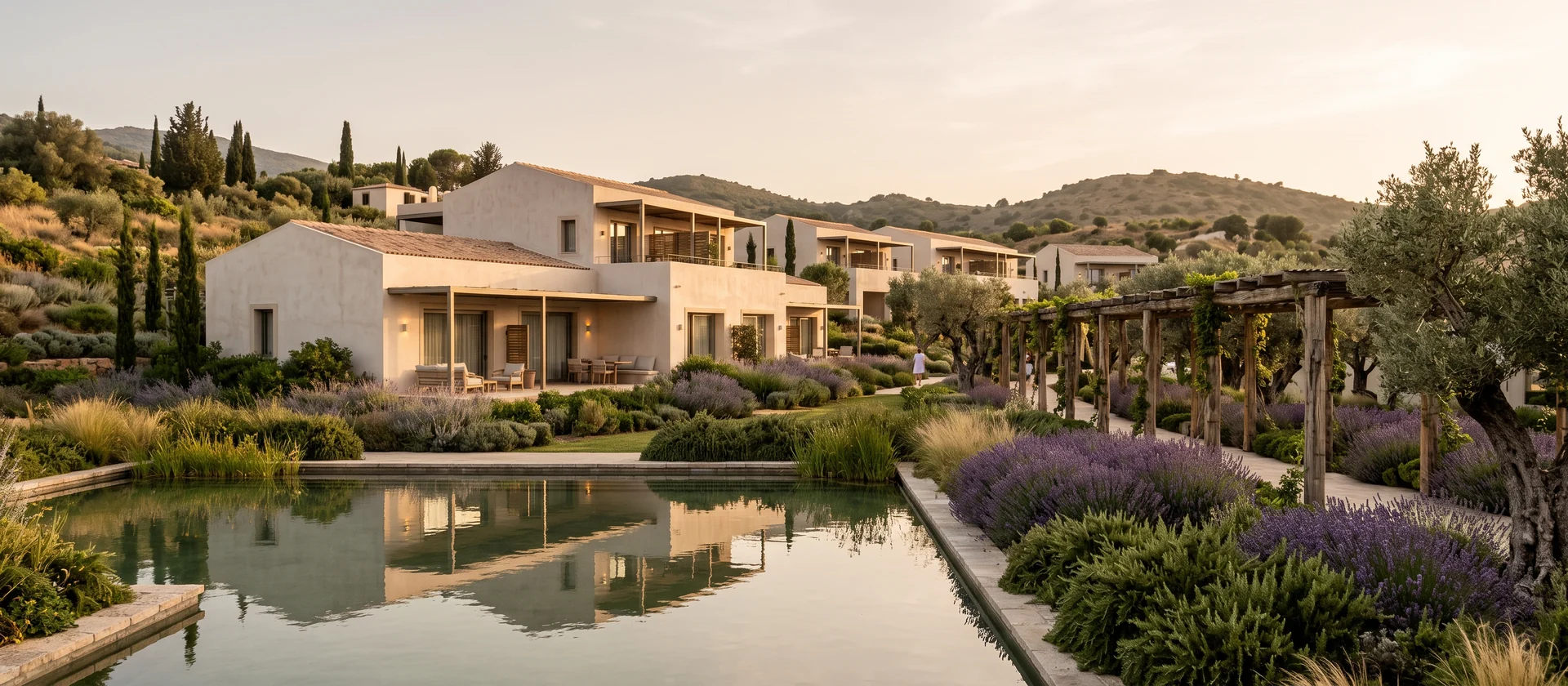
In Southern Europe and the Mediterranean, the hotel market is experiencing a phase of growth, with the branded residences and resorts attracting significant attention. Colliers' Dirk Bakker notes that branded residences are "taking off and popping up everywhere" in this region, driven by buyers' willingness to pay a premium price. This trend is particularly pronounced in Athens and the Greek islands, while the more mature Spanish market offers a diverse range of opportunities.
In short, Flexible Accommodation through mid-range branded residences represents a significant opportunity for hotel brands that can scale efficiently and develop solid strategies. While luxury will always deliver strong returns, the mid-tier segment presents an equally attractive opportunity through volume and accessibility.. As global awareness of branded residences continues to grow, so will demand, especially in the mid-tier segment.