Beyond Hotels: Who is Redefining Luxury in the Branded Residences Market?

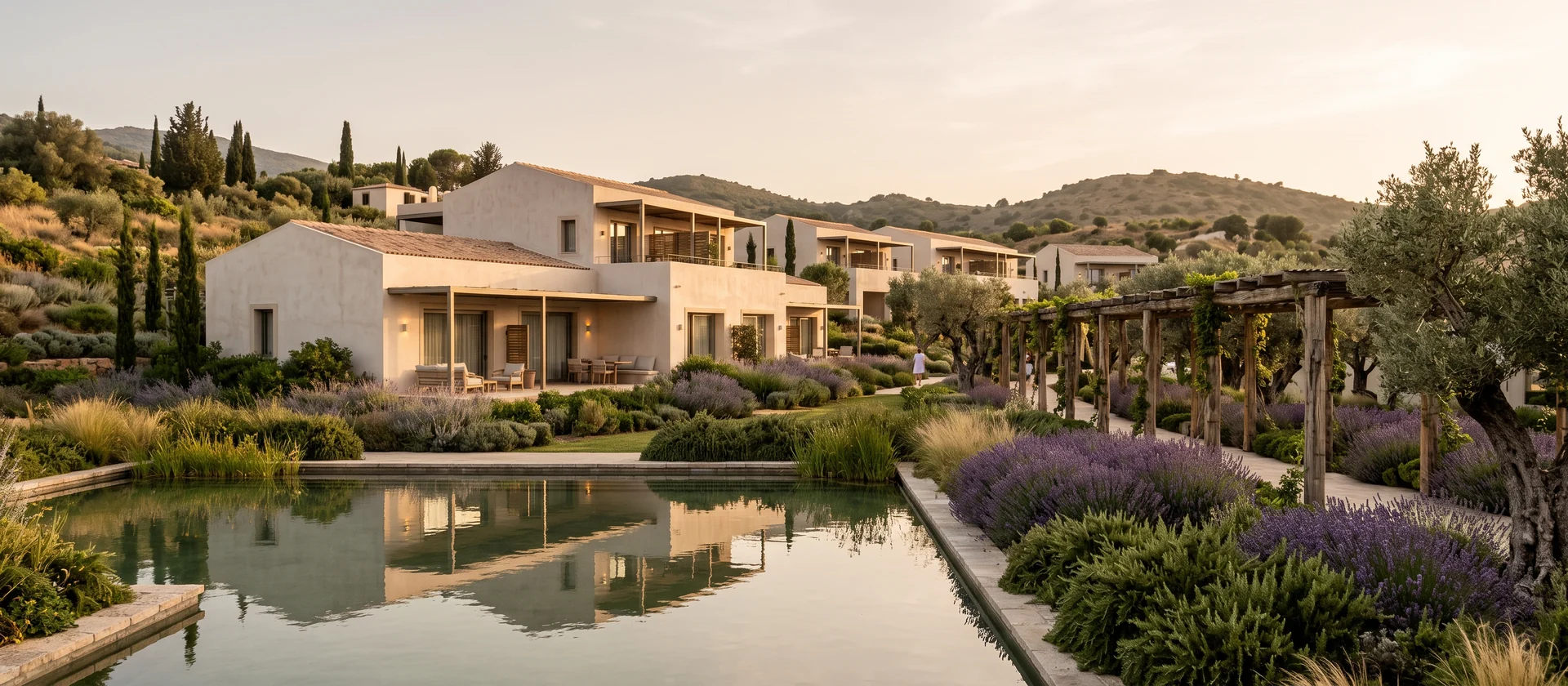
The concept of branded residenceThe hotel, that fusion of home and elite hotel service, has long been the preserve of the big luxury chains. However, the landscape is changing dramatically. We are witnessing a significant emergence of non-hotel players who are making inroads into this lucrative segment, bringing a fresh perspective and challenging the status quo.

It is no longer unusual to see names associated with fashion, car design or haute cuisine competing for space in the branded residential market. Global brands such as Giorgio Armani, Versace, Porsche Design or Aston Martin, and even renowned restaurant groups such as Nobu, are extending their luxury universe to real estate.

What is driving this convergence? The answer is multifactorial. On the one hand, real estate developers are in a constant search for unique value propositions (USPs) that allow them to differentiate their projects in a competitive market. Partnering with a prestigious non-hotel brand can offer a distinctive aesthetic, a particular lifestyle narrative and a commercial appeal that goes beyond the traditional offering of a hotel label. Such partnerships often allow for greater design flexibility and avoid some of the strict brand guidelines and high commissions often imposed by conventional hotel chains.

For these non-hotel brands, entering the luxury real estate sector represents a natural extension of their universe and a diversification strategy. It allows them to capitalise on their brand equity and established reputation to access a new revenue stream, while strengthening their positioning as a benchmark for lifestyle and exclusivity.

This evolution is enriching the offer of high-end Flexible Accommodation. Although the branded residences often involve ownership of a unit, many of them offer the possibility of being integrated into managed rental programmes, allowing owners to monetise their investment when not occupied, and guests to enjoy a residential experience with luxury hotel services.

The impact of this trend is considerable. It foresees a greater diversity of choice for the luxury buyer, who will now be able to choose a residence that not only offers elite services, but also reflects a direct affinity with their lifestyle or passions, be it the design of a high-end car or the aesthetics of a fashionable home. At the same time, it introduces a new level of competition for established hotel chains, which will need to innovate and adapt their own offerings to remain relevant.

The market for branded residences is mutating, opening its doors to unprecedented creativity and redefining what it means to live in luxury and exclusivity. This is a fascinating chapter in the evolution of Flexible Accommodation and luxury real estate.
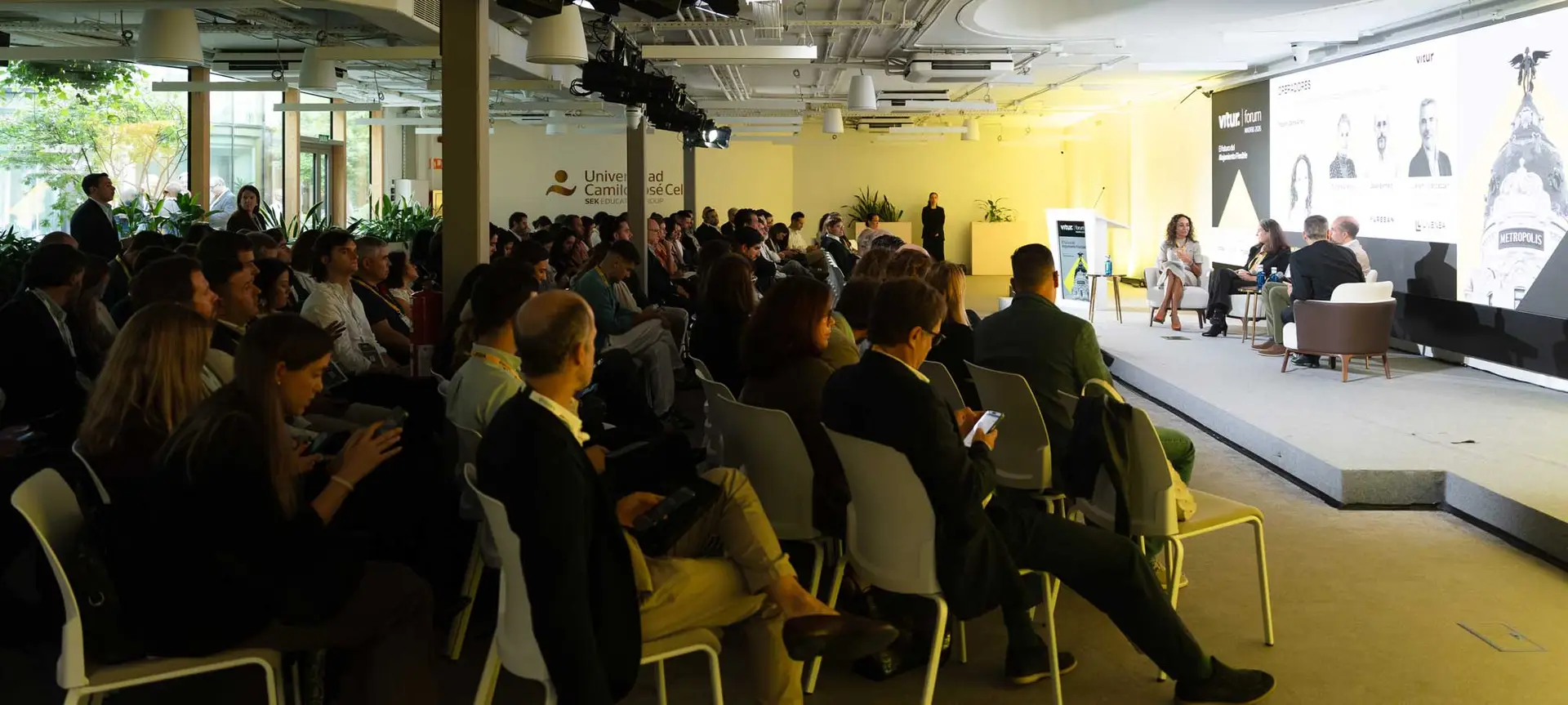
The next Vitur events will be held in Madrid el 15 de octubre and in Seville on November 26th, and will once again be the meeting point for operators, investors and companies in the sector to boost their business, establish strategic alliances with the various stakeholders involved and access all the news, trends and opportunities in the sector from leading speakers and companies.

Continue reading

Detalle de un cuadro eléctrico y contadores modernos en el cuarto de instalaciones de un edificio residencial, ilustrativo de la digitalización de la gestión de suministros
Cuatro Proptech Atacan lo que la Promoción Sigue Haciendo a Mano: Suministros, Preventa, Liquidez Sénior y Grietas
El Clúster de la Edificación, Asprima y la Universidad Politécnica de Madrid reunieron a cuatro compañías tecnológicas que no venden vivienda, sino que arreglan procesos internos del sector. Zenova digitaliza los suministros, Framearq lleva la realidad virtual a la preventa, Jubenial busca liquidez para el propietario mayor y Feelbat monitoriza estructuras con sensores.
Calle de un desarrollo urbano reciente en el norte de Madrid con bloques residenciales contemporáneos, aceras anchas y arbolado joven, ilustrativa del ecosistema de Alojamiento Flexible de Valdebebas
Valdebebas Reúne 5.641 Unidades de Alojamiento Flexible y Seis Operadores: Apenas el 28% Está en Explotación
El barrio del norte de Madrid concentra 5.641 unidades operativas o en desarrollo, según el departamento de Advisory de Activum. De ellas, apenas 1.603 funcionan ya: por cada unidad en explotación hay dos y media en obra. Seis operadores conviven en el mismo ámbito, algo que no ocurre en ningún otro punto de España.
Vista aérea de una gran ciudad española con bloques residenciales y grúas de obra, ilustrativa del volumen de inversión en el mercado living español
El Multifamily Acapara el 78% del Living Español: al Alojamiento Flexible le Llegan 425 de 4.593 Millones
El informe Snapshot de Living de Colliers cifra en 4.593 millones de euros la inversión del primer semestre en España. El multifamily se lleva 3.560, las residencias de estudiantes 608 y el Alojamiento Flexible 425. España invierte a un ritmo del 323% de su media de los últimos cinco años, frente al 85% europeo.
Edificio de oficinas de mediados del siglo XX en el barrio de Salamanca de Madrid en proceso de reconversión en estudios de Alojamiento Flexible
Simplifika Convierte unas Oficinas Obsoletas del Barrio de Salamanca en Alojamiento Flexible bajo el Modelo de Limehome
El proyecto MA18 transformará un edificio de 1.166 metros cuadrados en la calle Maestro Alonso, vacío y funcionalmente agotado como oficinas, en estudios de alto standing repartidos en cinco plantas. Operará con el sistema digitalizado de Limehome, que automatiza el registro y el acceso de los huéspedes.
Edificio urbano de apartamentos con servicios vacío al anochecer, ilustrativo del cese de operaciones del operador Sonder y la venta de su marca
De Sonder Solo Queda el Nombre: TravelAI Compra la Marca sin Edificios, sin Contratos y sin Equipo
La canadiense TravelAI se ha quedado con las marcas registradas y los dominios de Sonder, pero no con sus edificios, sus contratos de arrendamiento, su inventario ni su plantilla. El operador de apartamentos con servicios liquidó su negocio en noviembre, después de que Marriott rompiera el acuerdo de licencia que los unía.
Balcones de un edificio de apartamentos turísticos en una ciudad andaluza, ilustrativos del debate fiscal sobre el IVA aplicable al alojamiento profesional
Las Patronales Andaluza y Catalana Cierran Filas contra el IVA del 21%: Reclaman el Mismo Trato Fiscal que los Hoteles
AVVAPro y Federatur han formado un frente común contra la subida del IVA al 21% que el Gobierno ha aplazado a septiembre por falta de apoyos parlamentarios. Junto a otras asociaciones suman el 60% de la oferta profesional de España y reclaman el mismo trato fiscal que los hoteles, que tributan al 10%.