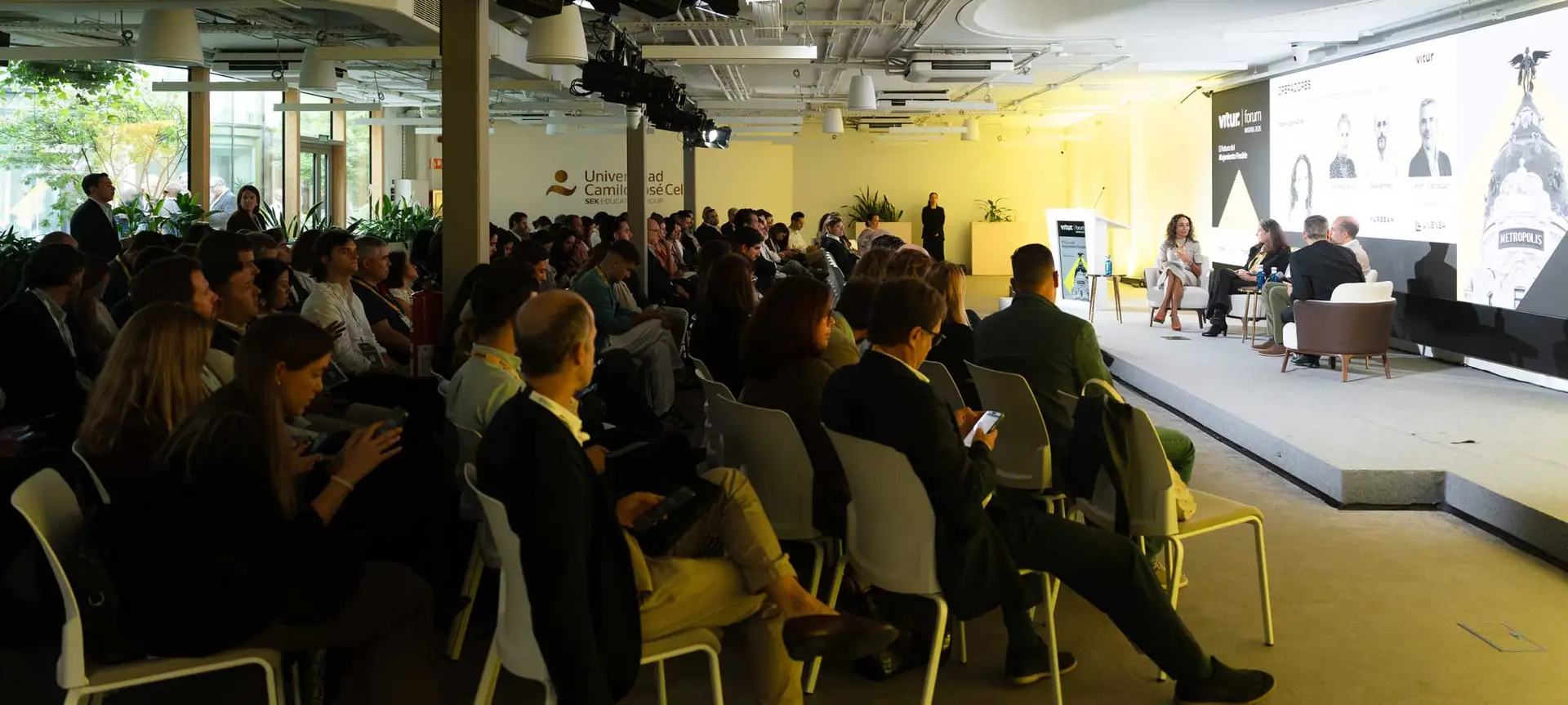
The ecosystem of the Flexible Accommodation in Spain is in luck with the recent creation of StayAlliance. This association is the result of the union of several key figures in the sector, including operators, owners, investors and technology platforms dedicated to short and medium term rentals. The main objective of StayAlliance is to strengthen and professionalise this industry.
The concept of Flexible Accommodation encompasses a variety of models. According to one of its leaders, this sector includes from dwellings for tourist use y serviced flats to seasonal leases with hotel servicesand even modalities such as the coliving and complexes designed specifically for age groups, such as senior living. This industry is considered to be of great importance for the Spanish economy.
The StayAlliance training is seen as an essential step in order to linking the entire value chain of this business. The partnership seeks to create a unified voice to represent the sector, laying solid foundations for its future development. Among its fundamental aims is to serve as a valid interlocutor vis-à-vis public administrations. Through this dialogue, the alliance aims to promote a sustainable development and to promote a clear rules that contributes legal certainty and help to better define the sector.
Asier Pereda, founder and CEO of Rental Collection, who holds the chairmanship of StayAlliance, and Borja Sierra, Executive Vice President of Savills in Spain and President of Biztrip, who serves as Vice-Chairman, are the leading figures at the helm of StayAlliance. The association already includes various companies, both national (such as Feelfree, Aspasios, Biztrip and Rental Collection) and international (such as Interhome and Beyond), as well as technology companies (such as Avantio and Roomonitor) and firms linked to the MICE sector (meetings, incentives, congresses and events) such as Vitur. StayAlliance is also contemplating the incorporation of a wider ecosystem of directly or indirectly related companies, such as financial, insurance, food distribution, construction, passenger transport, catering and delivery companies, and is in talks with major platforms such as Booking and Expedia.
Among the challenges that StayAlliance intends to address are the need to improving public perception on the Flexible Accommodation and the fight against unfair competitionincluding unprofessional and even illegal models. A key objective is to clarifying the sector's role in the economy by providing data and knowledge. In order to achieve a balance between preferential residential use and uses other than the primary residence, which can also be beneficial if properly regulated, StayAlliance is already working on concrete proposals, both in terms of urban planning and taxation, based on examples of good practice.
The relevance of the sector is evidenced by recent data; for example, of the total number of tourists visiting Spain last year, a significant percentage, 11%, chose to stay in tourist accommodation or similar, rather than in hotels or other alternatives. The current situation, characterised by a variable regulation in each autonomous communityThe lack of a clear and transparent legal framework for the use of the sector is causing concern among landowners and all those whose activities depend on this sector, not only the tourists.
With the establishment of StayAlliance, the Flexible Accommodation seeks to gain visibility, cohesion and a more stable regulatory framework to enable its professional and sustainable development in Spain.