The city of Milan has positioned itself as a key player in the student housing market. Recently, Ardiana private investment firm, and Rockfielda platform specialising in student residences, have strengthened their presence in this sector with a new operation in the Lombard capital. This investment focuses on the Aparto Milan Durando complex.
Located in the Bovisa neighbourhood, just a few metres from the Politecnico di Milano campus, the Aparto Milan Durando stands out for its strategic locationThe area is well connected to the city centre and close to the Milano Bovisa FS train station. The area is expected to further improve its connectivity with the future North Interquartier Metrotramway metro line, which is expected to be completed in 2026.
The acquisition of shares in a partnership backed by Blue Noble and Hines marks the fifth transaction completed by Ardian and Rockfield in the last six months, as part of their European strategy of Purpose-Built Student Accommodation (Pbsa). This type of accommodation, designed specifically for students, offers characteristics that align it with the concept of Flexible Accommodation.
The Aparto Milan Durando complex consists of two buildings totalling approximately 610 beds. One of the buildings has been operational since January 2025, with an occupancy rate of close to 100%, while the second building will be completed in September 2025. The complex is managed by Aparto, a platform of the Hines Group.
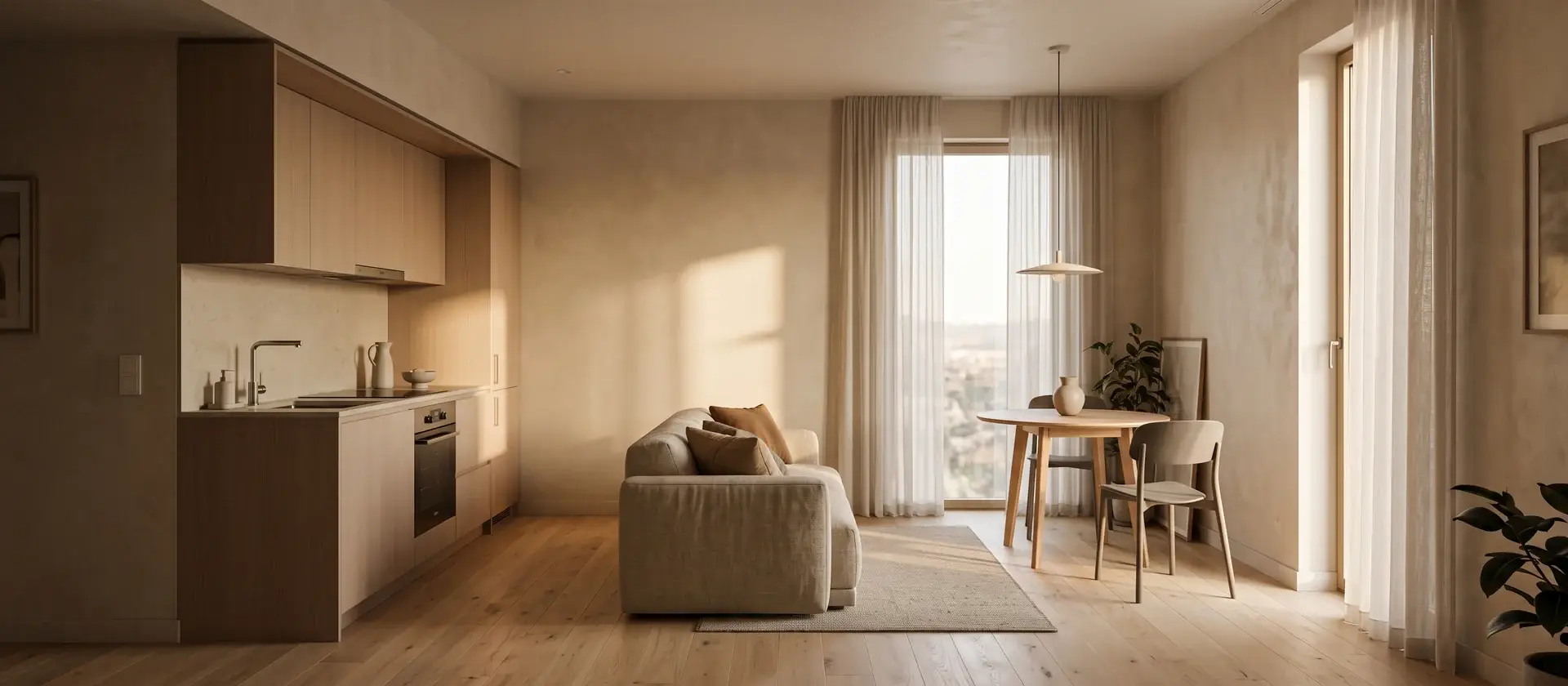
Accommodation options are diverse, including studios with private kitchen and bathroom, single rooms in shared flats, and double rooms with shared kitchen and bathroom, offering a wide range of accommodation options. Flexible Accommodation which is adapted to different preferences and needs of the students. In addition to the private units, the complex has numerous communal areas that encourage community living.
A relevant aspect is that about 40% of the housing stock is regulated, offering subsidised rents. This is crucial to meet the high demand for more affordable accommodation in a city with a growing student population where supply is limited. The ability to offer options with different prices and contract types underlines the flexibility of this model.
According to Ardian, this investment represents a strategic step in its long-term European vision within the student accommodation sector. This segment is perceived as a fast-growing sector and increasingly important for urban transformation. Rockfield real estate notes that the strategy seeks to build a diversified portfolio of high quality assets in Europe. The high student demand and the shortage of supply in Milan make this investment a key move in creating an attractive and sustainable portfolio of high quality student accommodation. Flexible Accommodation that responds to the needs of the market.
With plans advanced for a further four operations in France, Spain and the Netherlands to close in the next two months, Ardian and Rockfield plan to reach a total of 5,000 available beds. This expansion demonstrates the confidence in the Pbsa model as an efficient and necessary way of Flexible Accommodation for the student population in Europe.