Boosting Flexible Accommodation in Spain: StayAlliance is Born to Unify the Sector

The ecosystem of the Flexible Accommodation in Spain is in luck with the recent creation of StayAlliance. This association is the result of the union of several key figures in the sector, including operators, owners, investors and technology platforms dedicated to short and medium term rentals. The main objective of StayAlliance is to strengthen and professionalise this industry.

The concept of Flexible Accommodation encompasses a variety of models. According to one of its leaders, this sector includes from dwellings for tourist use y serviced flats to seasonal leases with hotel servicesand even modalities such as the coliving and complexes designed specifically for age groups, such as senior living. This industry is considered to be of great importance for the Spanish economy.

The StayAlliance training is seen as an essential step in order to linking the entire value chain of this business. The partnership seeks to create a unified voice to represent the sector, laying solid foundations for its future development. Among its fundamental aims is to serve as a valid interlocutor vis-à-vis public administrations. Through this dialogue, the alliance aims to promote a sustainable development and to promote a clear rules that contributes legal certainty and help to better define the sector.

Asier Pereda, founder and CEO of Rental Collection, who holds the chairmanship of StayAlliance, and Borja Sierra, Executive Vice President of Savills in Spain and President of Biztrip, who serves as Vice-Chairman, are the leading figures at the helm of StayAlliance. The association already includes various companies, both national (such as Feelfree, Aspasios, Biztrip and Rental Collection) and international (such as Interhome and Beyond), as well as technology companies (such as Avantio and Roomonitor) and firms linked to the MICE sector (meetings, incentives, congresses and events) such as Vitur. StayAlliance is also contemplating the incorporation of a wider ecosystem of directly or indirectly related companies, such as financial, insurance, food distribution, construction, passenger transport, catering and delivery companies, and is in talks with major platforms such as Booking and Expedia.

Among the challenges that StayAlliance intends to address are the need to improving public perception on the Flexible Accommodation and the fight against unfair competitionincluding unprofessional and even illegal models. A key objective is to clarifying the sector's role in the economy by providing data and knowledge. In order to achieve a balance between preferential residential use and uses other than the primary residence, which can also be beneficial if properly regulated, StayAlliance is already working on concrete proposals, both in terms of urban planning and taxation, based on examples of good practice.

The relevance of the sector is evidenced by recent data; for example, of the total number of tourists visiting Spain last year, a significant percentage, 11%, chose to stay in tourist accommodation or similar, rather than in hotels or other alternatives. The current situation, characterised by a variable regulation in each autonomous communityThe lack of a clear and transparent legal framework for the use of the sector is causing concern among landowners and all those whose activities depend on this sector, not only the tourists.

With the establishment of StayAlliance, the Flexible Accommodation seeks to gain visibility, cohesion and a more stable regulatory framework to enable its professional and sustainable development in Spain.

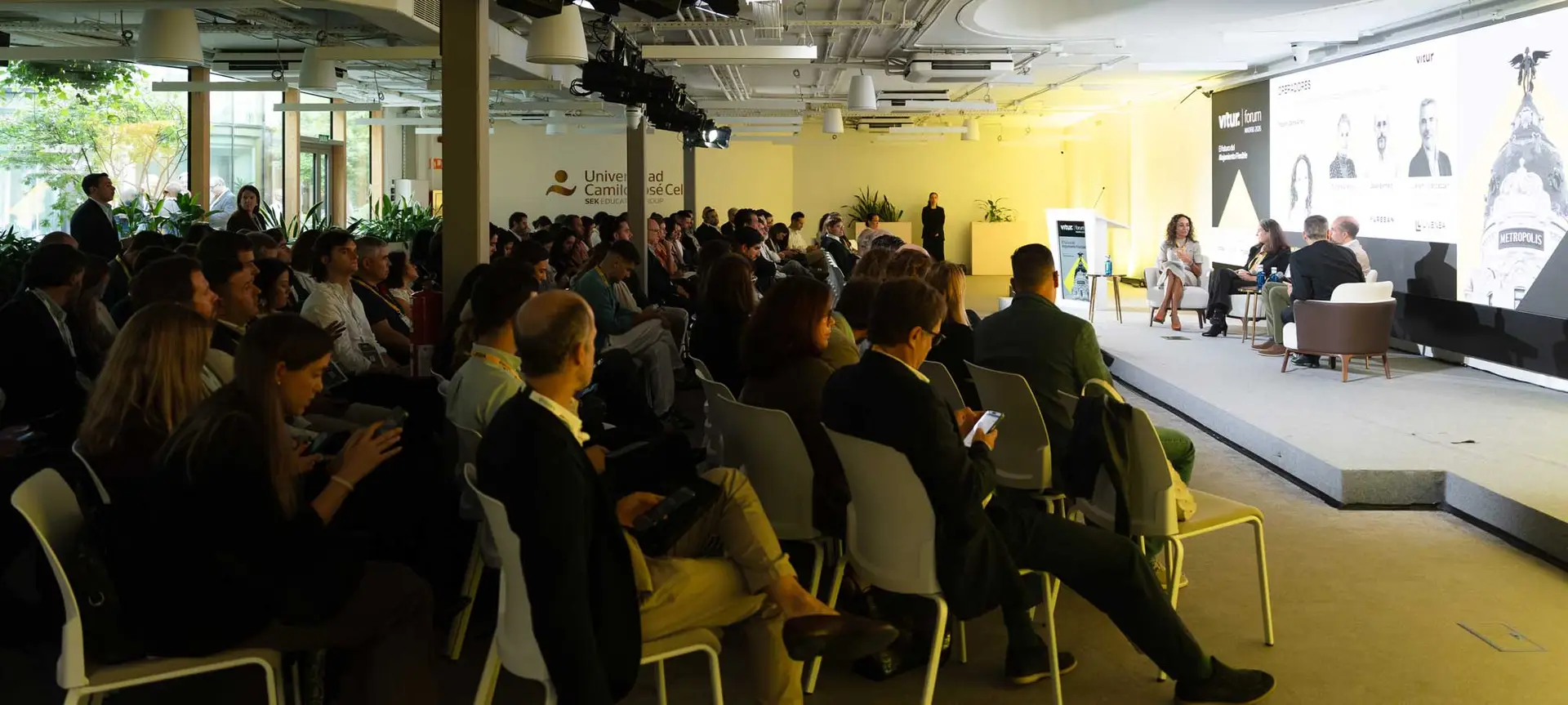
The next Vitur events will be held in Madrid el 15 de octubre and in Seville on November 26th, and will once again be the meeting point for operators, investors and companies in the sector to boost their business, establish strategic alliances with the various stakeholders involved and access all the news, trends and opportunities in the sector from leading speakers and companies.

Continue reading

Piscina y terraza de un hotel mediterráneo de estilo italiano de los años sesenta al atardecer, ilustrativa del segmento lifestyle premium en Ibiza
De Operar a Poseer: Grupo Ramat Paga 60 Millones por el Mongibello Ibiza, el Hotel que Fue de la Familia Matutes
Stoneweg y Bain Capital han vendido al Grupo Ramat y a un grupo de inversores privados el hotel que compraron en 2022 y reposicionaron después. El comprador es la misma casa que lleva cuatro años gestionándolo, y su consejero delegado, Marc Rahola Matutes, recupera así un activo que perteneció a Palladium Hotel Group, el grupo de su familia.
Interior luminoso de un estudio con cocina integrada y balcón abierto a una calle del centro histórico de una ciudad andaluza, ilustrativo del formato de apartamento turístico
OD Hotels Estrena en el Centro de Málaga 22 Apartamentos sin Restaurante, sin Bar y sin Recepción al Uso
Ocean Drive Málaga ha abierto en Cortina del Muelle con 22 apartamentos turísticos y una lista de ausencias que define el proyecto: no hay restaurante, ni bar, ni terraza, ni zonas comunes de peso. La llegada del huésped se resuelve en un hall con una mesa. La cadena lo resume en una frase: el barrio es el lobby.
Villa de estilo colonial con piscina y palmeras en un complejo turístico del Caribe al atardecer, imagen ilustrativa del segmento de las branded residences
Los Propietarios de un Four Seasons del Caribe Reclaman 100 Millones: la Letra Pequeña de las Branded Residences
Pagaron 100.000 dólares de entrada y más de 13.000 al año para vivir bajo una de las marcas más reconocidas de la hostelería de lujo. Cuatro años después de un incendio, los dueños de 89 villas del Four Seasons Resort Nevis dicen que solo hay una valla rodeando los escombros, y han llevado a la propiedad ante los tribunales de Delaware.
Recepción automatizada vacía de un edificio de apartamentos con un terminal de autoservicio junto a la entrada, ilustrativa del peso de la tecnología en la operativa del alojamiento
Booking Sitúa en Menos del 1% las Noches que le Llegan desde la IA, y en Doble Dígito el Ahorro que sí le Está Dando
El director financiero del mayor grupo de distribución turística del mundo puso cifra a algo de lo que el sector lleva dos años hablando sin datos: las reservas que llegan a Booking desde los modelos de lenguaje no alcanzan el 1% de sus noches y llevan trimestres sin moverse. Donde la inteligencia artificial sí está dejando dinero es en la atención al cliente.
Detalle de un cuadro eléctrico y contadores modernos en el cuarto de instalaciones de un edificio residencial, ilustrativo de la digitalización de la gestión de suministros
Cuatro Proptech Atacan lo que la Promoción Sigue Haciendo a Mano: Suministros, Preventa, Liquidez Sénior y Grietas
El Clúster de la Edificación, Asprima y la Universidad Politécnica de Madrid reunieron a cuatro compañías tecnológicas que no venden vivienda, sino que arreglan procesos internos del sector. Zenova digitaliza los suministros, Framearq lleva la realidad virtual a la preventa, Jubenial busca liquidez para el propietario mayor y Feelbat monitoriza estructuras con sensores.
Calle de un desarrollo urbano reciente en el norte de Madrid con bloques residenciales contemporáneos, aceras anchas y arbolado joven, ilustrativa del ecosistema de Alojamiento Flexible de Valdebebas
Valdebebas Reúne 5.641 Unidades de Alojamiento Flexible y Seis Operadores: Apenas el 28% Está en Explotación
El barrio del norte de Madrid concentra 5.641 unidades operativas o en desarrollo, según el departamento de Advisory de Activum. De ellas, apenas 1.603 funcionan ya: por cada unidad en explotación hay dos y media en obra. Seis operadores conviven en el mismo ámbito, algo que no ocurre en ningún otro punto de España.