The Luxury of Flexible Accommodation Evolves: How will Branded Residences Adjust Rates in a Maturing Market?

The segment of the branded residenceswhich fuses the comfort of a home with the services of a luxury hotel, is undergoing a remarkable maturation globally. As this niche of the Flexible Accommodation is gaining ground, driven by interest from hotel brands and, increasingly, from non-hotel luxury firms, the way in which their management fees are structured is about to evolve.

Historically, large hotel chains have dominated this space, imposing fees that, while guaranteeing a high level of service and brand recognition, could be substantial. However, with the entry of more players, the market dynamics are changing. The increasing competition is forcing a re-evaluation of business models and, in particular, of the fee structures for the management of these exclusive properties.

This maturation of the sector is expected to lead to a further flexibility and customisation in commissions. Developers and owners, with more branding options at their disposal, will seek arrangements that balance brand visibility and quality of service with optimising their returns. This could lead to greater diversity in fee models, including more variable or hybrid structures, rather than fixed percentages of revenue or profit.

A key factor in this development is the increasing interest of non-hotel brands -such as fashion houses, automobile manufacturers or design groups - in the field of branded residences. These brands, while lacking traditional hotel infrastructure, bring a design, aesthetic and lifestyle differentiator that is highly valued by the luxury buyer. Their entry into the market could put pressure for more innovative partnership models, perhaps with commissions more closely linked to the delivery of specific brand value or the generation of a unique experience, beyond pure hotel operational management.

Transparency will be another crucial element. As the owners of branded residences become more sophisticated and aware of their rights and return expectations, they will demand greater clarity on how fees are calculated, what services are included and how operating expenses are optimised. This will lead to a standardisation of certain contractual aspects, but also to more customisation in negotiation.

Ultimately, the maturation of the branded residences is not only a sign of growth, but also of sophistication. Rate structures will adapt to reflect more intense competition and the demands of an industry seeking an optimal balance between brand prestige, level of service and financial viability for owners and developers in this exclusive segment of the market. Flexible Accommodation.
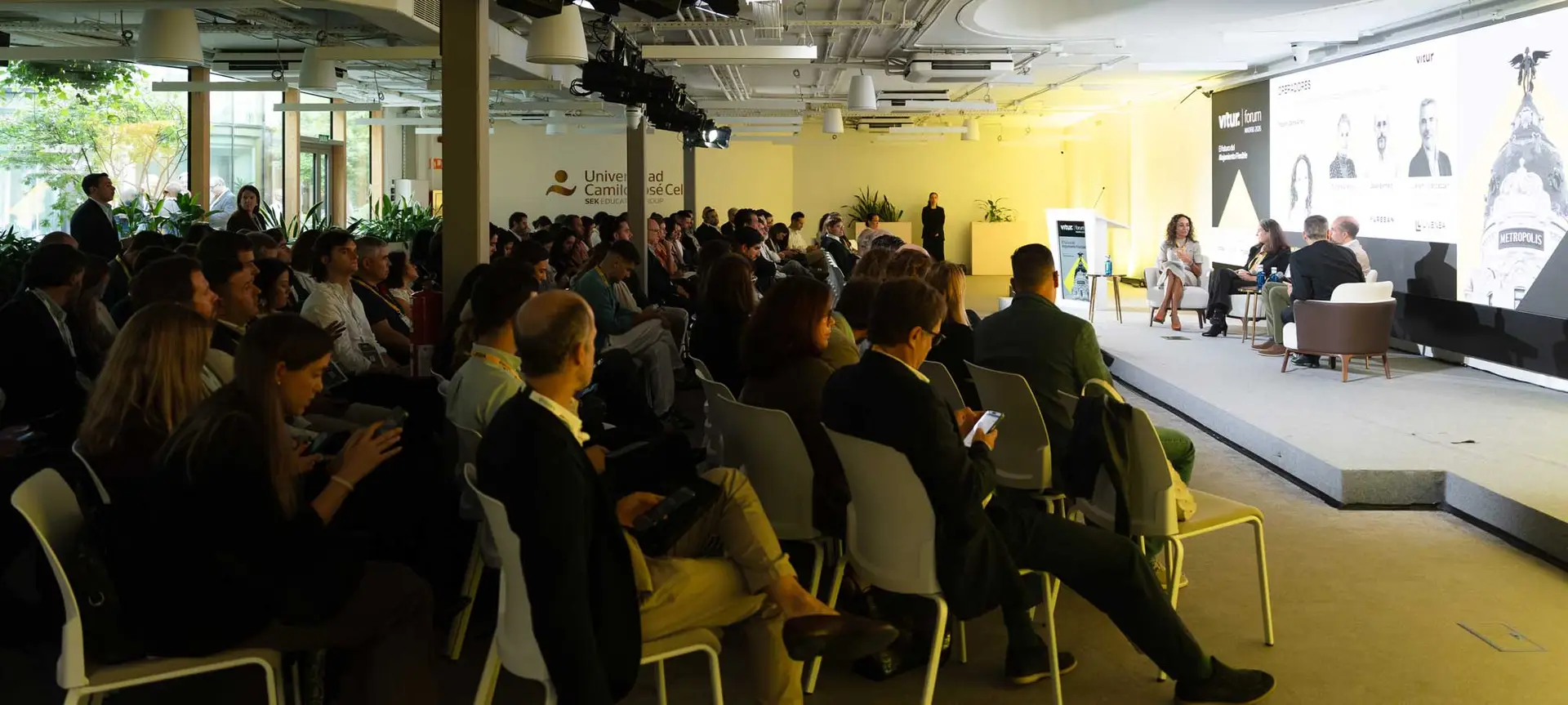
The next edition Vitur Summit 2026 will take place in Malaga on Thursdays 13 and 14 May and will once again be the meeting point for operators, investors and companies in the sector to boost their business, establish strategic alliances with the different agents involved and gain access to all the latest news, trends and opportunities in the sector from leading speakers and companies.

Continue reading

Catalonia Bans Speculative Buying: Large Holders Will Not Be Able to Invest in 271 Municipalities with Capped Rents
The government of Salvador Illa and Jéssica Albiach's Comuns have agreed a reform of the urban planning law that redefines the rules of the game for investors and operators of Flexible Accommodation in Catalonia. With fines of up to 1.5 million euros and the figure of the large landlord reduced to five properties, the measure —which affects 90% of the Catalan population— introduces unprecedented restrictions in Spain for the accumulation of residential assets in high-demand areas.
European Flexible Accommodation Nears 1 Billion Nights: Spain Leads the Rankings with Andalusia at the Forefront
Digital platforms Airbnb, Booking and Expedia intermediated 951.6 million nights short-stay in the EU during 2025, a 11,4% more that in 2024 and a 32.4% more In 2023, Spain consolidates its position as a dominant market alongside France and Italy, with Andalusia being the second most in-demand region in Europe in the third quarter. Eurostat data confirms that Flexible Accommodation has definitively shed its niche status to become a structural pillar of continental tourism.
Madrid Redefines Flexible Accommodation: New Tourism Law Recognises it as Official Accommodation and Raises Standards
The Community of Madrid has launched one of the most far-reaching reforms for the Flexible Accommodation sector. The new draft Tourism Law will recognise for the first time the Tourist Use Dwellings (VUT) as a type of official tourist accommodation, establishing a framework that seeks professionalisation, quality and greater legal security.
Portugal Ventures Accelerates Flexible Accommodation Innovation with 1.5 Million Investment in Feel Sampa
Portugal's tourism ecosystem gets a new boost. Portugal Ventures has injected €1.5 million in the startup Feel Sampa, a technology platform designed to revolutionise the management of Flexible Accommodation. This strategic investment aims to consolidate Portugal as an innovation hub in the hospitality industry.
The Short Stay Rental Challenge in 2026: How European Regulation is Filtering the Professional Market
On 5 February 2026, the European Parliament adopted key legislative proposals to tackle the housing crisis on the continent.
Andalusia, Queen of Europe: Flexible Accommodation Conquers the Lead Ahead of the Côte d'Azur
The Andalusian region has been crowned as the most demanded destination in Europe for Flexible Accommodation, surpassing iconic locations such as the Côte d'Azur or Catalonia. With a record 26.6 million overnight stays in 2025, the sector is proving to be a key economic pillar, dominated by small owners and in the midst of adapting to a new regulatory framework.