Flexible Accommodation Boosts Seasonality: Tourist Apartments and Rural Tourism Lead Extra-Hotel Growth in May

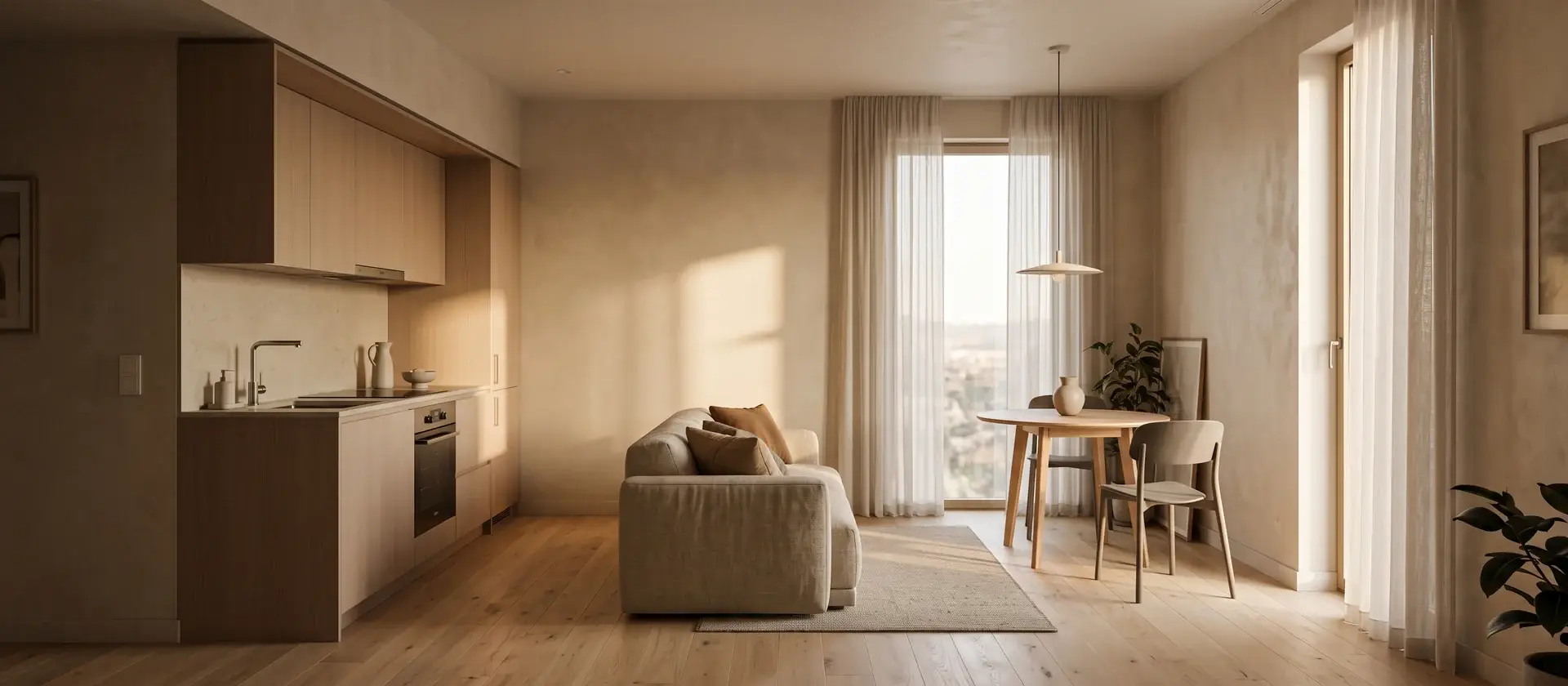
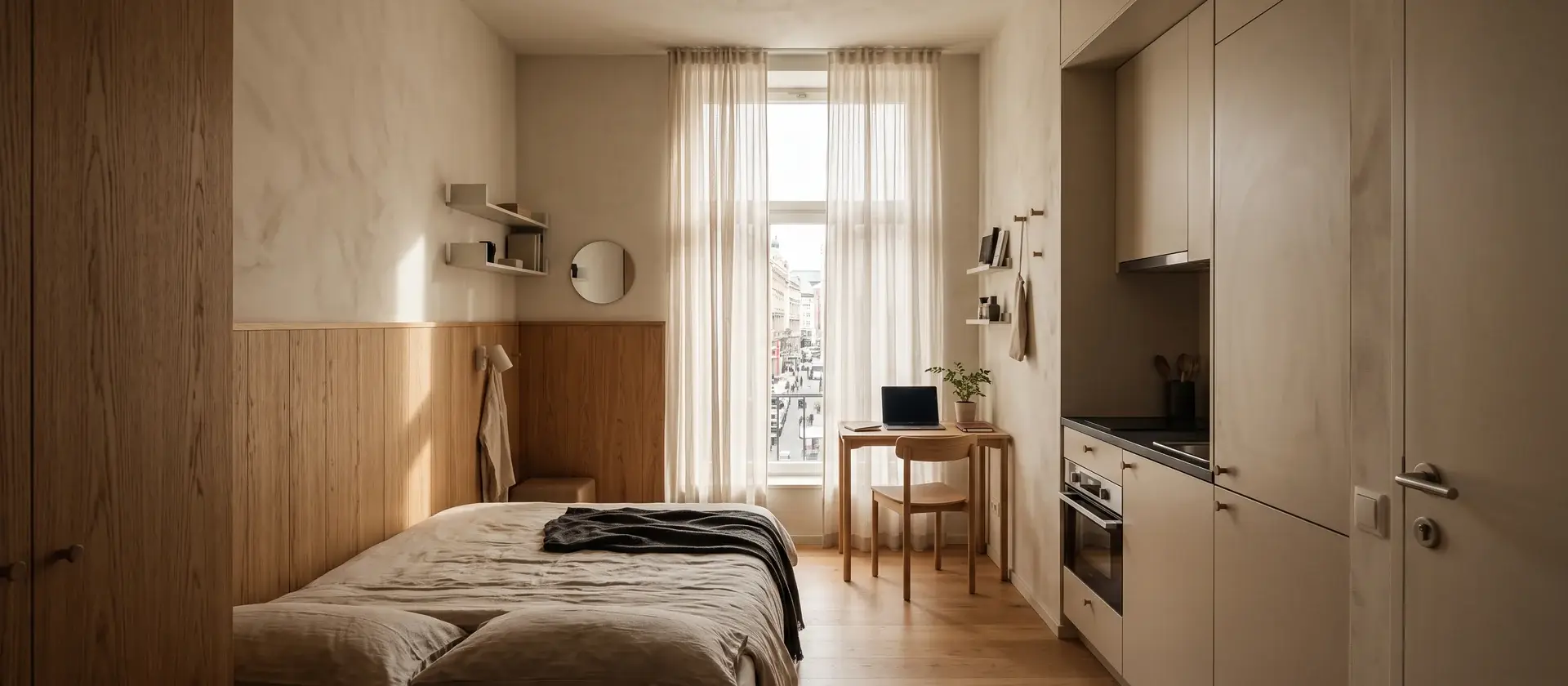
The Spanish non-hotel sector has once again demonstrated its robustness and capacity to adapt, closing the month of May with figures that reaffirm its growth. Driving this dynamism, the tourist flats and the rural tourism have positioned themselves as the major leaders, consolidating the Flexible Accommodation as a fundamental pillar of the country's tourism strategy.

May 2025 recorded an impressive increase of 10,6% in number of overnight stays in non-hotel accommodation compared to the same month of the previous year. This growth is even more significant, as it exceeds by 17.5% May 2019 pre-pandemic levelsdemonstrating sustained recovery and expansion.

Breaking down performance, the tourist flats shone with an increase of 13.2% in overnight stays year-on-year, and a remarkable 23.1% above 2019 data. This boom is due, in part, to demand from travellers resident in Spain, who accounted for nearly 40% of total overnight stays in this segment, although non-residents still account for the majority, with 60,4%. In May, overnight stays of foreign tourists in flats grew by 10.61 Ptt3T YoY.

The rural tourism also experienced a significant rebound, with an increase of 10.3% in overnight stays compared to May 2024. This segment attracts mainly resident travellers, who accounted for the largest share of the total. 76,1% of totalThe project is a national interest in disconnection and nature.

Other types of Flexible Accommodation also showed a good performance: the campsites saw their overnight stays grow by 7,8% in May 2025, with a strong boost from foreign travellers who accounted for almost 60% of the total. The hostelsThe growth of the 5%.

The regions that have benefited the most from this dynamism in the Flexible Accommodation were Canary Islands in tourist flats, concentrating the 27.7% of overnight stays and an occupancy of 86,9% of seats offered. In rural tourism, Castilla y León was the preferred destination, with a remarkable 18.1% of overnight stays and an annual growth of 30.7%.

These data not only reflect the vitality of the non-hotel sector, but also the growing trend towards deseasonalisation of tourism. Demand is spread out beyond the peak season months, and the Flexible Accommodation plays a crucial role in this diversification, offering options for different traveller profiles and contributing to the territorial distribution of tourism profits. The capacity to adapt and the diversity of the extra-hotel offer are, without a doubt, strategic pillars for the future of tourism in Spain.
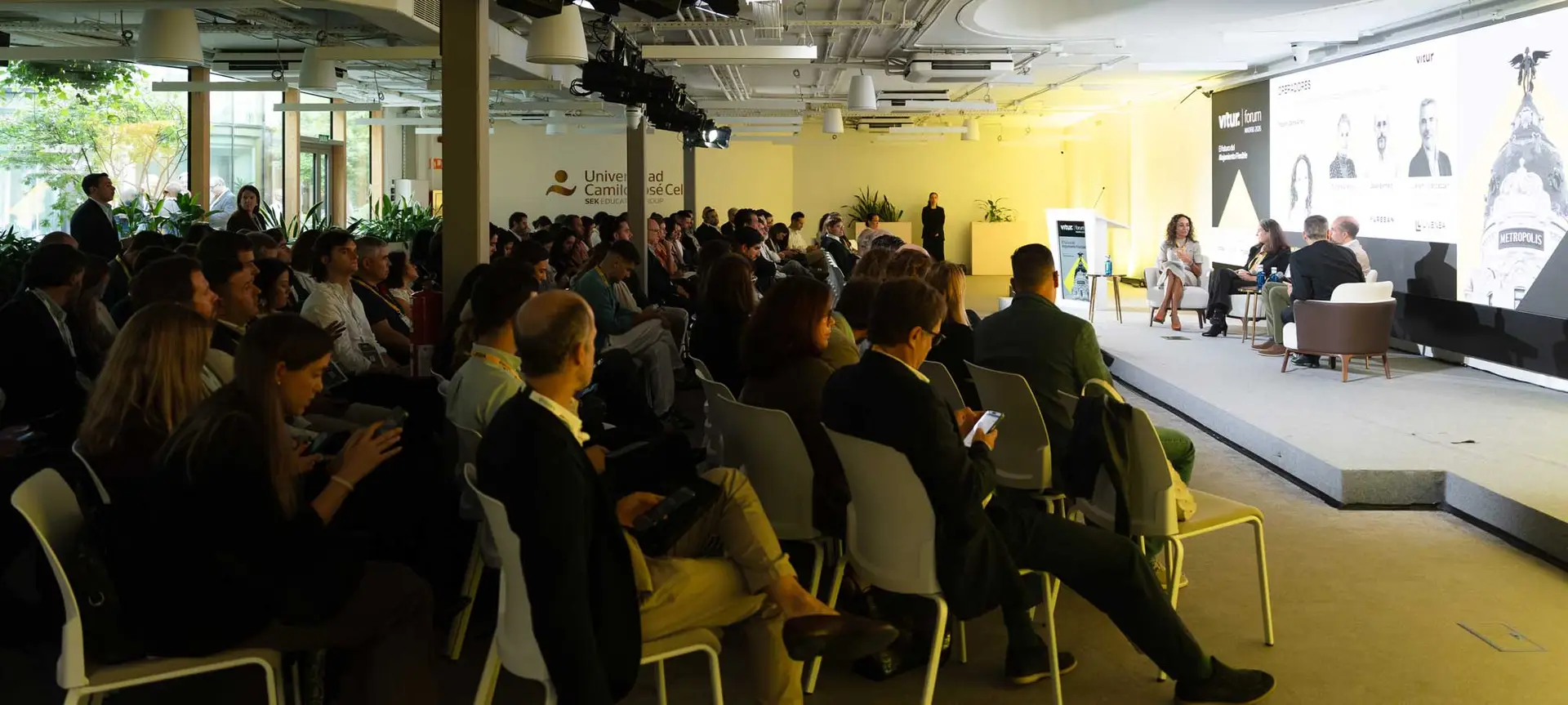
The next Vitur events will be held in Madrid el 15 de octubre and in Seville on November 26th, and will once again be the meeting point for operators, investors and companies in the sector to boost their business, establish strategic alliances with the various stakeholders involved and access all the news, trends and opportunities in the sector from leading speakers and companies.

Continue reading

Piscina y terraza de un hotel mediterráneo de estilo italiano de los años sesenta al atardecer, ilustrativa del segmento lifestyle premium en Ibiza
De Operar a Poseer: Grupo Ramat Paga 60 Millones por el Mongibello Ibiza, el Hotel que Fue de la Familia Matutes
Stoneweg y Bain Capital han vendido al Grupo Ramat y a un grupo de inversores privados el hotel que compraron en 2022 y reposicionaron después. El comprador es la misma casa que lleva cuatro años gestionándolo, y su consejero delegado, Marc Rahola Matutes, recupera así un activo que perteneció a Palladium Hotel Group, el grupo de su familia.
Interior luminoso de un estudio con cocina integrada y balcón abierto a una calle del centro histórico de una ciudad andaluza, ilustrativo del formato de apartamento turístico
OD Hotels Estrena en el Centro de Málaga 22 Apartamentos sin Restaurante, sin Bar y sin Recepción al Uso
Ocean Drive Málaga ha abierto en Cortina del Muelle con 22 apartamentos turísticos y una lista de ausencias que define el proyecto: no hay restaurante, ni bar, ni terraza, ni zonas comunes de peso. La llegada del huésped se resuelve en un hall con una mesa. La cadena lo resume en una frase: el barrio es el lobby.
Villa de estilo colonial con piscina y palmeras en un complejo turístico del Caribe al atardecer, imagen ilustrativa del segmento de las branded residences
Los Propietarios de un Four Seasons del Caribe Reclaman 100 Millones: la Letra Pequeña de las Branded Residences
Pagaron 100.000 dólares de entrada y más de 13.000 al año para vivir bajo una de las marcas más reconocidas de la hostelería de lujo. Cuatro años después de un incendio, los dueños de 89 villas del Four Seasons Resort Nevis dicen que solo hay una valla rodeando los escombros, y han llevado a la propiedad ante los tribunales de Delaware.
Recepción automatizada vacía de un edificio de apartamentos con un terminal de autoservicio junto a la entrada, ilustrativa del peso de la tecnología en la operativa del alojamiento
Booking Sitúa en Menos del 1% las Noches que le Llegan desde la IA, y en Doble Dígito el Ahorro que sí le Está Dando
El director financiero del mayor grupo de distribución turística del mundo puso cifra a algo de lo que el sector lleva dos años hablando sin datos: las reservas que llegan a Booking desde los modelos de lenguaje no alcanzan el 1% de sus noches y llevan trimestres sin moverse. Donde la inteligencia artificial sí está dejando dinero es en la atención al cliente.
Detalle de un cuadro eléctrico y contadores modernos en el cuarto de instalaciones de un edificio residencial, ilustrativo de la digitalización de la gestión de suministros
Cuatro Proptech Atacan lo que la Promoción Sigue Haciendo a Mano: Suministros, Preventa, Liquidez Sénior y Grietas
El Clúster de la Edificación, Asprima y la Universidad Politécnica de Madrid reunieron a cuatro compañías tecnológicas que no venden vivienda, sino que arreglan procesos internos del sector. Zenova digitaliza los suministros, Framearq lleva la realidad virtual a la preventa, Jubenial busca liquidez para el propietario mayor y Feelbat monitoriza estructuras con sensores.
Calle de un desarrollo urbano reciente en el norte de Madrid con bloques residenciales contemporáneos, aceras anchas y arbolado joven, ilustrativa del ecosistema de Alojamiento Flexible de Valdebebas
Valdebebas Reúne 5.641 Unidades de Alojamiento Flexible y Seis Operadores: Apenas el 28% Está en Explotación
El barrio del norte de Madrid concentra 5.641 unidades operativas o en desarrollo, según el departamento de Advisory de Activum. De ellas, apenas 1.603 funcionan ya: por cada unidad en explotación hay dos y media en obra. Seis operadores conviven en el mismo ámbito, algo que no ocurre en ningún otro punto de España.