- On 13 and 14 May 2026, Malaga will host the Vitur Summit, the forum that brings together the main leaders, investors and operators in the flexible accommodation sector, reinforcing the city's position as an enclave for the debate on the future of these new and booming modalities.
- Andalusia accounts for 65% of the short-stay supply in Spain and absorbs the highest number of overnight stays in Europe for the third consecutive year.
- The announcement of the celebration of Vitur Summit 2026 in Malaga has counted with the participation of the General Director of Promotion and Development of Tourism and Hospitality in Junta de Andalucía Ms. Gemma del Corral, the General Director of Tourism of Malaga Mr. Jonathan Gómez Punzón, and the founder of Vitur, Carlos Pérez-Lanzac, in a sample of the focus of the event as a meeting point for public-private collaboration.
Malaga, Monday 22nd December - Vitur Summit, the main business meeting specialising in Flexible Accommodation in Europe, has once again chosen Malaga as the venue for its 2026 edition, which will be held on 13th and 14th May at the NH Malaga hotel. The event will once again turn the capital of the Costa del Sol into a strategic meeting point to analyse the evolution of one of the most dynamic segments within the tourism and real estate industry.
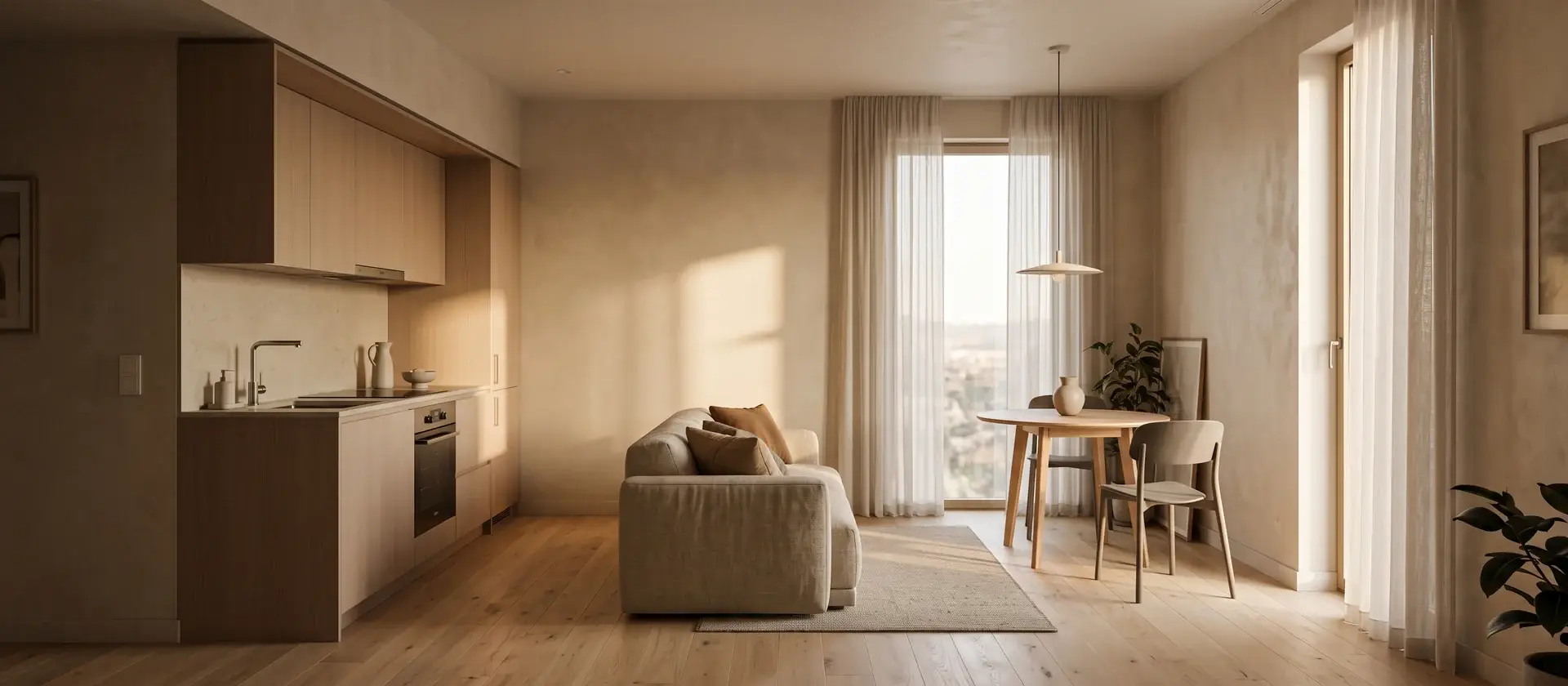
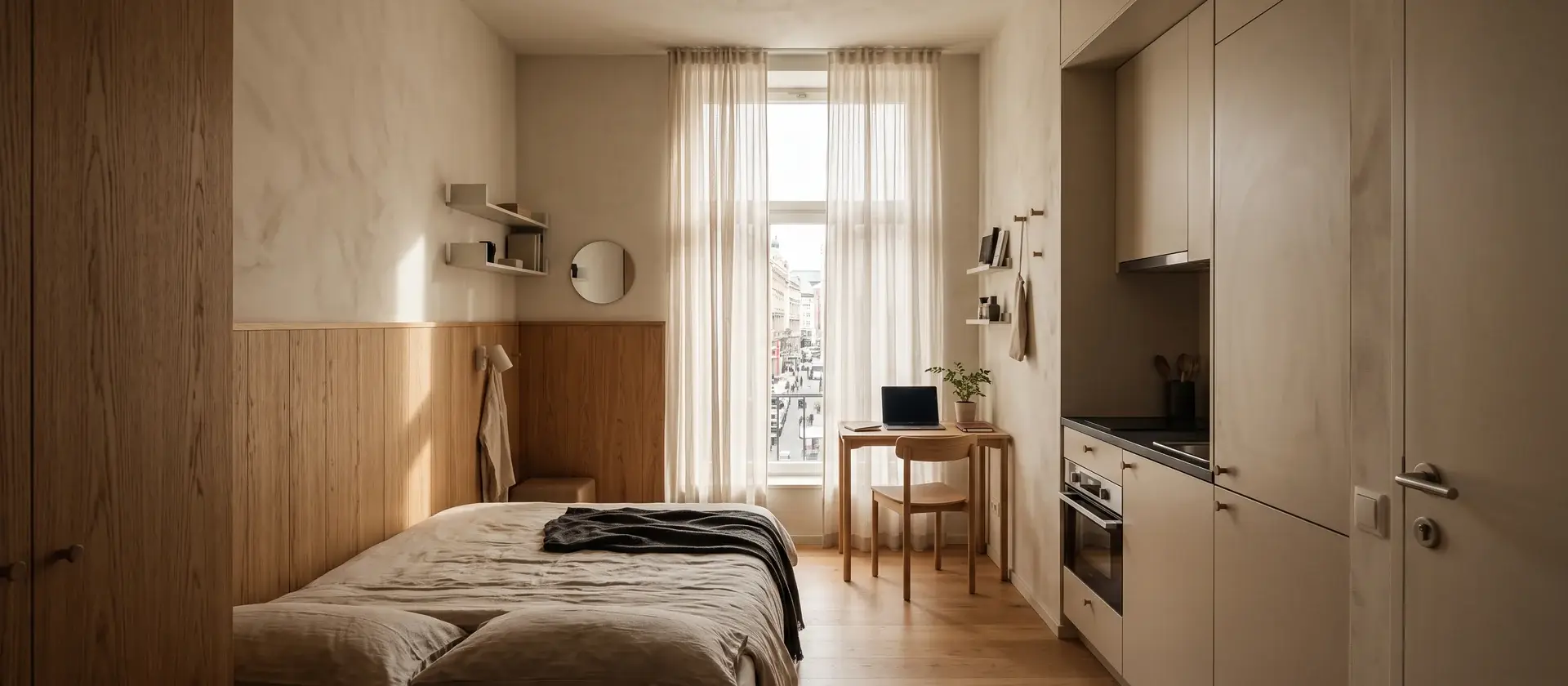
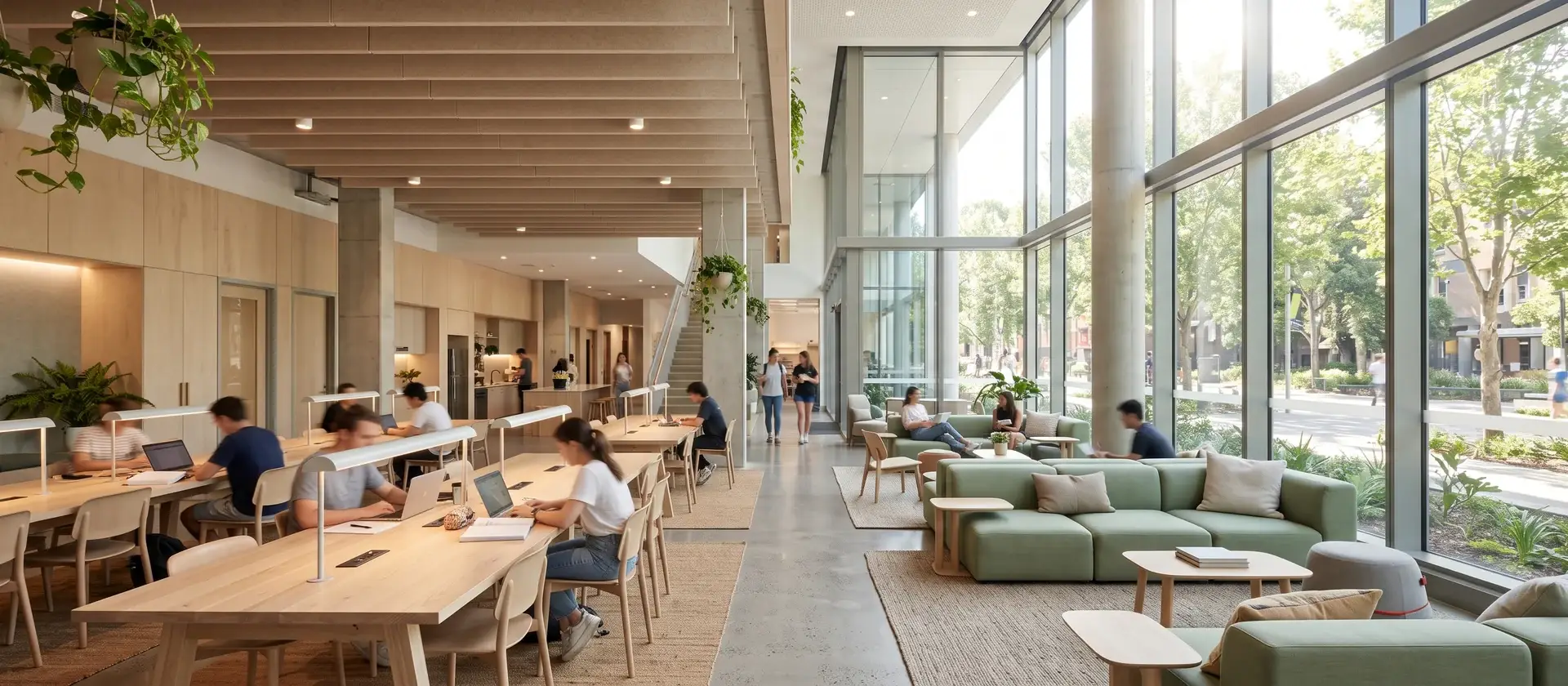
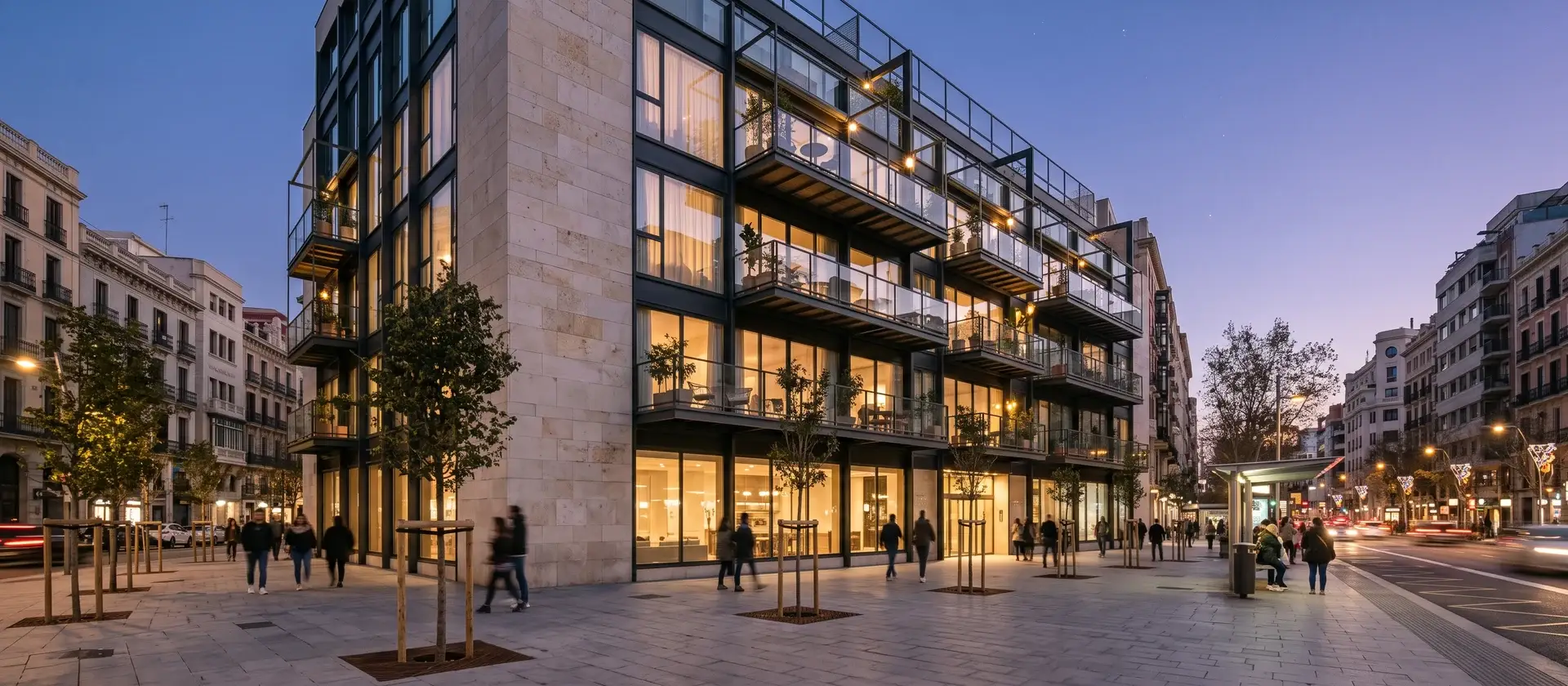
During two days, the Vitur Summit 2026 programme will analyse the evolution of the increase in demand and the main destinations and their impact, perspectives from the point of view of investment and urban planning; as well as the trends that are redefining Flexible Accommodation in its different typologies, such as flex living, branded residences, villas, aparthotels, senior living, or student residences (PBSA), as well as the new hybrid tourism-residential models.
Andalusia, European epicentre of Flexible Accommodation
The choice of Malaga responds to its consolidation as an innovative destination, attractive for investment and a benchmark in the development of new accommodation models linked to mobility, remote work and short and medium-term stays.
“The city of Malaga has continued to transform and position itself in a very significant way in recent years. Hosting an event of the level of the Vitur Summit is fully in line with this evolution. The different types of flexible accommodation have a clear economic impact on the city,” says Jonathan Gómez Punzón, Director General of Malaga Tourism.
According to Eurostat data, 854 million overnight stays were booked through the main digital platforms in 2024, a figure that significantly exceeds pre-pandemic levels and confirms the rise of flexible and longer stays. Andalusia in particular was the most in-demand region in Europe with more than 44 million overnight stays, followed by Croatia with 35.4 million and the French Côte d'Azur with 30.6 million.
«The data on Andalusia's leadership are promising. The flexible accommodation segment is structural in Andalusia and a key element for the tourism industry as a whole. The new Andalusian Tourism Law has contemplated and integrated these realities, precisely to respond to a demand that continues to grow,» said Gemma del Corral, Director General for the Promotion and Development of Tourism and Hospitality in the Andalusian Regional Government.
The different typologies that comprise Flex Living continue to consolidate themselves as one of the main investment vectors to meet the increase in demand.
One of the major growth segments is branded residences. In Spain alone, 42 developments account for nearly 2,100 units and a value of approximately 3.5 billion euros. Malaga is emerging as the star destination, with around 50% of projects and 60% of units, making the Costa del Sol, without doubt, the leader in branded living in Southern Europe, according to the Branded Residence Monitor.
The growing presence on the peninsula of international luxury brands such as Four Seasons, Rosewood, Waldorf Astoria or Mandarin Oriental, which are increasingly active in the development of branded residences, accompanies a greater professionalisation of the sector with more sophisticated projects, a hybrid residential-tourism approach and a global demand oriented towards lifestyle, community and brand.
Likewise, 75% of the tourist housing in Andalusia is located on the region's coastline, mainly linked to residential tourism or the luxury villa segment dominated by Marbella and Sotogrande, where more than 90% of the new units are purchased by high-end international investors.
Estepona stands out as the municipality with the largest investment in senior living in the coming years. Luana El Paraíso will involve an investment of 110 million euros for the start-up of the 280 units for the so-called late living, opening in 2027. Also in Estepona, The FLAG will involve an investment of 30 million euros for 78 independent flats that will have all kinds of services for its senior clients.
«Flexible accommodation is no longer a temporary trend, but a structural response to a society in transformation, marked by mobility, teleworking and the search for versatile housing solutions. Andalusia is going through a sweet moment as a leading destination in Europe in flexible accommodation, driven by the increase in longer stays, labour mobility, digitalisation and the transformation of travellers» habits", highlights Carlos Pérez-Lanzac, founder of Vitur.
A visitor with a high economic impact
This growth is framed within a scenario of strong expansion of tourism on an international scale. Forecasts suggest that tourism will contribute 16 trillion dollars to global GDP by 2034, while in the case of Spain the tourism industry will reach 260 billion euros by 2025, which will represent around 16 % of national GDP.
The short and medium stay is consolidating its position as one of the major drivers of change in the tourism model, by attracting a high-value user profile, who travels for work, education, cultural, health or bleisure reasons. This is a type of visitor who extends their stay and generates a greater economic impact on the destination than the traditional tourist, reinforcing seasonal stability and diversification of demand.
Vitur Summit has established itself as the benchmark business forum for bringing together the leading voices from the private sector and public administrations. The 2026 edition will focus on the need to move towards sustainable, balanced models adapted to the new demands of travellers, temporary residents and citizens.
With this new edition, Vitur Summit reinforces its vocation to be the reference space to anticipate trends, share knowledge and generate business opportunities around Flexible Accommodation, a key segment for the future of tourism and the urban economy in Europe.