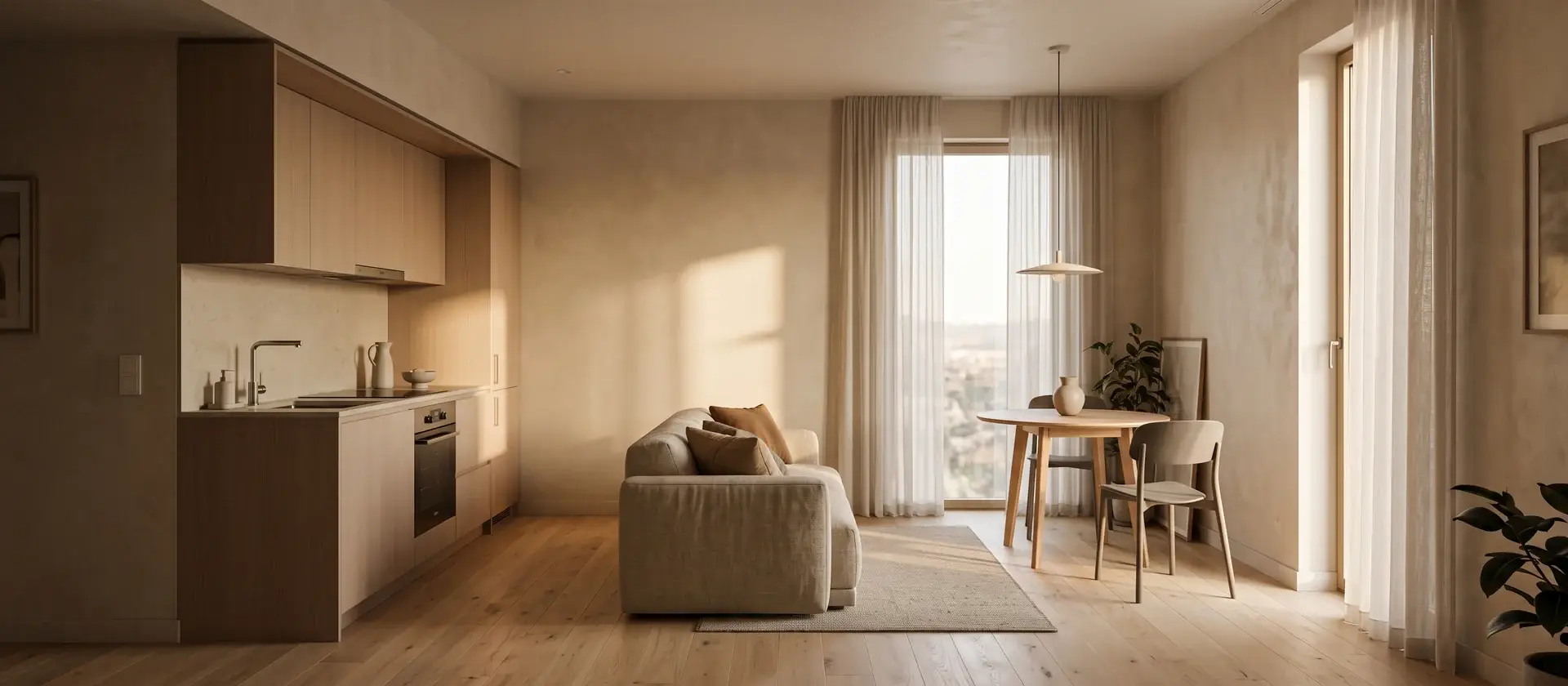
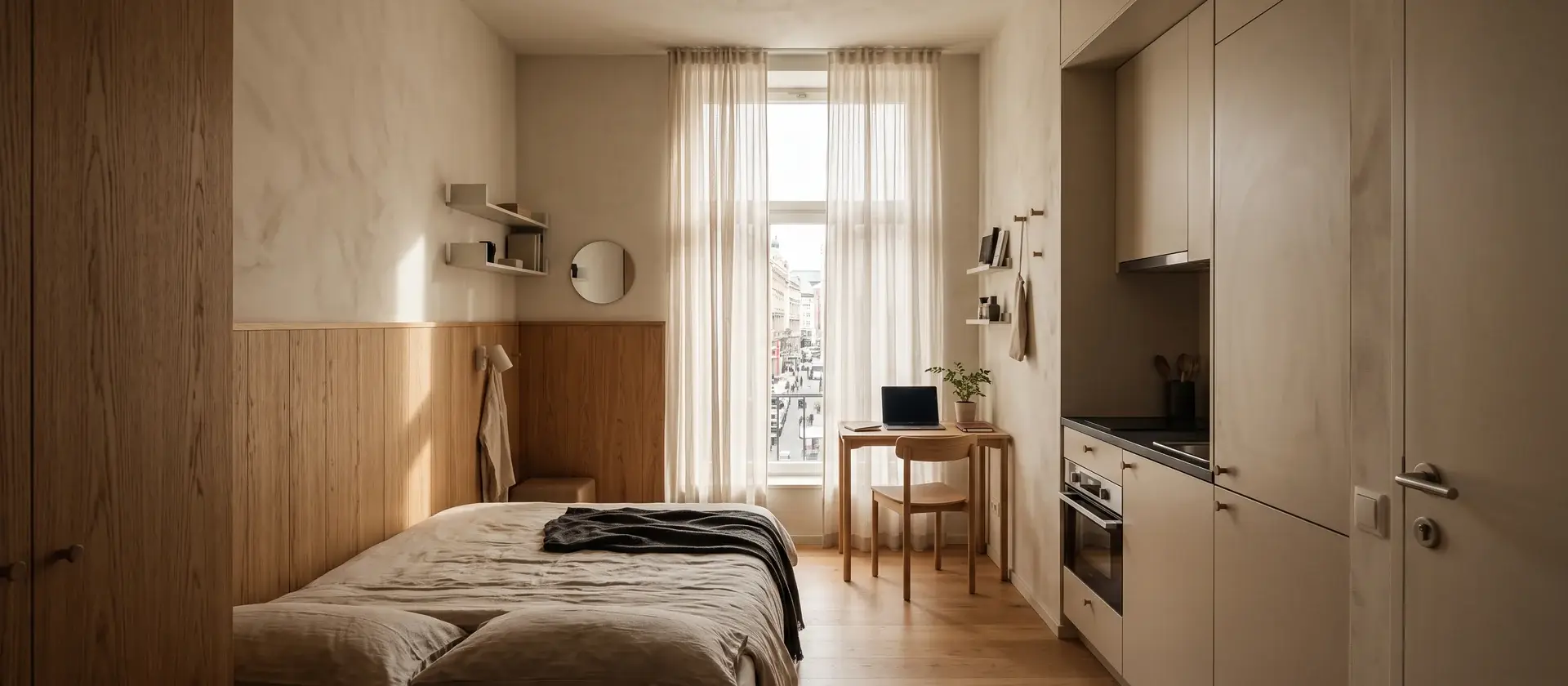
The market for holiday homes in Spain, and particularly in strategic locations such as Marbella, is at a turning point. The Costa del Sol Association of Real Estate Agents (LPA) has published a report that dissects recent legislative changes and their potential impact on property values, especially those destined for the tourist market. Flexible Accommodation.
The Spanish Government, with the intention of limiting the supply of holiday homes in order to, according to its criteria, increase long term rentals, has promoted various legislative changes. However, LPA, in line with other associations in the sector, does not share the diagnosis that these measures will solve the current housing crisis. It argues that the majority of tourist homes are second homes, used by their owners only part of the year, or properties in historic centres that have been rebuilt at prices that are not in line with local middle-class demand. The report suggests that the impact on the price of long-term rentals is minimal.
One of the most relevant modifications is that of the Horizontal Property Lawin force since 3 April 2025. This reform gives the communities of neighbours the power to prohibit or allow the application for new tourist licences. Before this date, the activity was free if the bylaws did not prohibit it. Now, in order for a dwelling to be used for tourism in a complex subject to horizontal property, it will be required the express approval of three-fifths of the owners and quotas in the General Meeting. It is important to note that this modification is not retroactiveTherefore, dwellings already registered in the Tourism Register before 3 April 2025 can continue to operate legally.
How is this affecting established tourist areas? Although the law is recent, effects can already be observed. In Marbella, areas such as the Golden Mile, Puerto Banús or San Pedro Playa are experiencing cancellations of sales and purchases due to the legal uncertainty that prevents buyers from using their future property for holiday rentals. A specific case of a homeowners' association that banned holiday rentals in 2024 (motivated by nuisances managed by individual owners) has shown, after 15 months, that the ban has not completely prevented nuisance (licensed dwellings continue to operate). However, it has had a serious and unexpected consequence: buyer demand and property values have begun to fall.forcing landlords to give discounts.
The LPA report emphasises that the ban on tourist rentals in areas of demand leads to an increase in the number of tourists who rent to tourists. illegal and uncontrolled supplyThe professional companies do not operate in real estate outside of the law.
The profile of the second home buyer in Marbella has also evolved over the last 10-15 years. Previously, few owners would consider renting out their holiday homes. Now, many owners, especially foreigners, do not use their properties in the summer, and the demand for holiday homes is growing. Flexible Accommodation off peak season has grown. The increase in the value of housing has led many buyers to finance their purchase with income from holiday rentals. In addition, the rise of digital platforms and management companies has greatly facilitated the professional management of rentals, making it much easier for buyers to buy and sell their properties. 60% from buyers only consider buying if they can rent it when they are not using it, turning the purchase into a investment mixed with enjoyment.
Against this backdrop, the LPA issues a series of recommendations for proper regulation and the professionalisation of the management of the Flexible Accommodation:
- Security deposit and explanation of basic rules to the guest: to ensure housing care and compliance with community standards.
- On-site accompaniment: to welcome the guest and explain the rules of coexistence.
- Noise control technology: installation of sensors monitored 24 hours a day to intervene in the event of incidents.
- Continuous attention and support: 7/24 service for guests, owners and community.
These measures, already implemented by some LPA partners, have proven to be successful. high level of satisfaction with an incident rate of less than 0.05% per year in all rooms, which reinforces the idea that proper regulation and professional management is the best solution to maintain the coexistence and value of properties, rather than prohibition.