Madrid, a global destination in constant evolution, is in a permanent search for a balance between its vibrant tourist activity and the tranquillity of its residents. In this context, a recent regulatory approval by the City Council is marking a turning point in the model of Flexible Accommodation in the capital. The initiative, known as Plan Reside, introduces significant modifications that reconfigure the short-stay accommodation scenario, especially in the iconic Centro district.
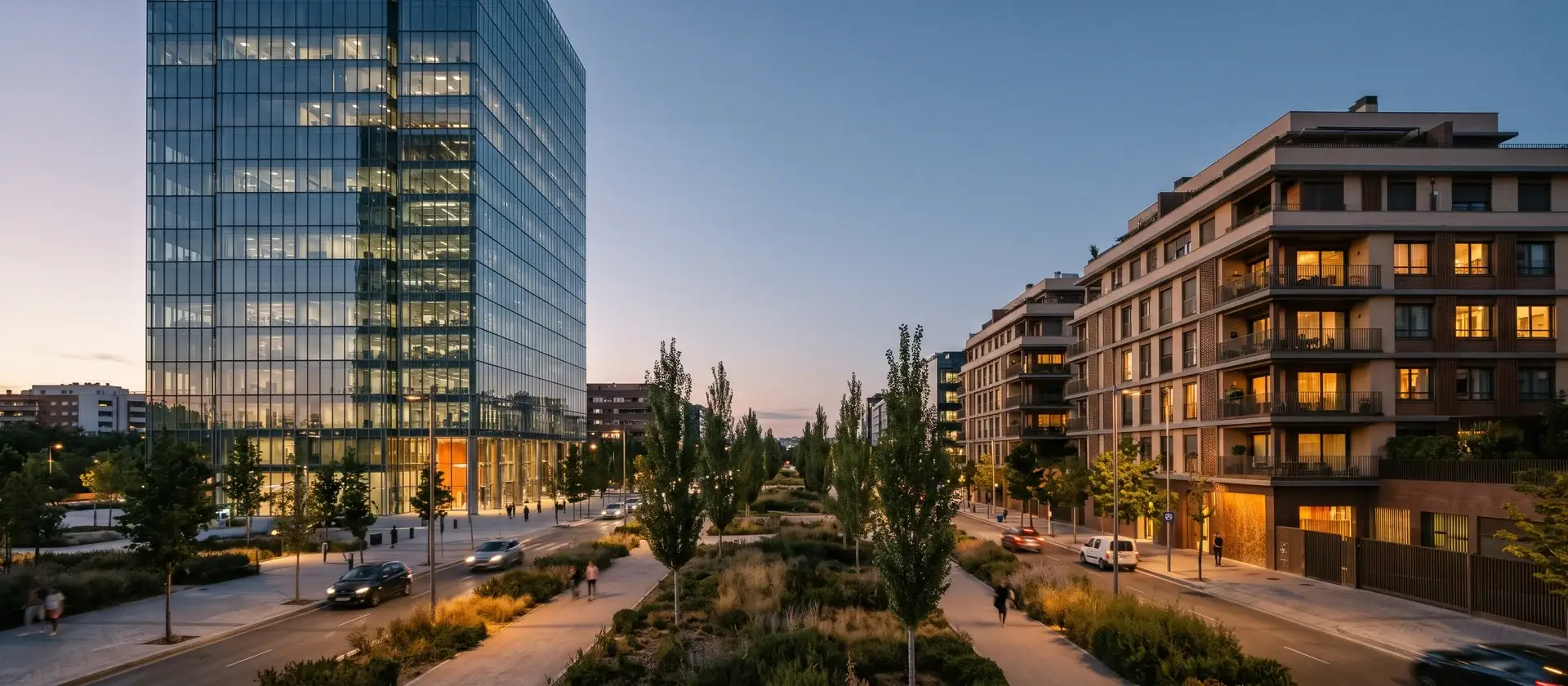
The heart of this new regulation is the restriction of "dispersed" tourist dwellings in residential buildings in the Centro district. The main objective is to preserve the quality of life of neighbours, avoiding the distortion of housing use in densely populated areas and protecting the right to the city of its permanent inhabitants. This measure seeks to mitigate the impact of uncontrolled tourism on community coexistence.
However, this measure does not seek to completely eliminate the supply of Flexible Accommodation, but rather to rearrange it and concentrate it in more suitable spaces. The regulations authorise the activity of tourist accommodation in specific locations with independent access, such as ground or ground floors of commercial buildings, and even in buildings exclusively for this purpose. This means that Flexible Accommodation can continue to develop, but under a more structured framework and in locations that minimise interference with residential life.
This municipal strategy responds to the need to promote a model of tourism that is more sustainable and harmonious with citizen coexistence. Madrid is committed to Flexible Accommodation that contributes positively to the urban and economic fabric, instead of generating tensions due to uncontrolled growth that displeases residents. It is a step towards a tourism management model that prioritises sustainability and coexistence.
For operators, owners and investors in the Flexible Accommodation sector, the key lies in adapting to this new legal framework, exploring locations and formats that comply with current regulations. For travellers, this transformation implies an evolution in the offer, which will be oriented towards more regulated options and in areas specifically designated for tourist activity.
In short, the Reside Plan is not a simple prohibition, but an invitation to reimagine Flexible Accommodation in Madrid. It is a decisive step towards a future where tourism and local life coexist in a more integrated and mutually beneficial way, consolidating Madrid as a welcoming and, at the same time, liveable city for its citizens.