The Sustainable Revolution: Wooden Skyscrapers Redefine High-Rise Construction in Spain

High-rise construction, traditionally dominated by concrete and steel, is facing a silent and sustainable revolution: the emergence of wood as a structural material for skyscrapers. Spain is preparing to witness this transformation with a pioneering project in Santander, marking a milestone in sustainable building and in the creation of new types of Flexible Accommodation and residential.

The Rio Groupa Santander-based construction company, is at the forefront of this innovation. Its timber-framed high-rise project, the first of its kind in Spain, is not only an architectural breakthrough, but a statement of principles on sustainability in real estate. This strategic move responds to a growing global demand for buildings with lower environmental impact and greater energy efficiency.

Wood, especially wood cross-laminated timber (CLT)is emerging as the material of the future in construction. Its advantages are multiple and significant:

  • Environmental Sustainability: It is a renewable resource and its use drastically reduces the carbon footprint of construction compared to concrete and steel, as it stores CO2.
  • Energy Efficiency: Wood has excellent insulating properties, which translates into more energy-efficient buildings for heating and cooling.
  • Constructive speed: Prefabricated timber elements allow for shorter construction times on site, reducing labour costs and the impact on the environment.
  • Lightness and Resistance: Despite its light weight, cross-laminated timber offers structural strength comparable to other materials and is suitable for high-rise buildings.

Such projects will not only be limited to traditional housing. The versatility of timber in construction opens up new possibilities for the development of Flexible Accommodationas blocks of colivingThe new buildings, student residences or serviced flats, where speed of construction and energy efficiency are highly valued.

The foray into wooden skyscrapers is part of a global trend. Cities such as Vancouver, Oslo, Vienna and Melbourne already have high-rise buildings with wooden structures, demonstrating the viability and attractiveness of this technology. Spain, with this project in Santander, is at the forefront of sustainable high-rise construction in Europe.

The move towards wood in high-rise construction is not just a matter of materials; it is a philosophy that embraces innovation, efficiency and an unwavering commitment to reducing the environmental impact of real estate. A future where luxury, functionality and sustainability are built with the warmth and efficiency of wood.
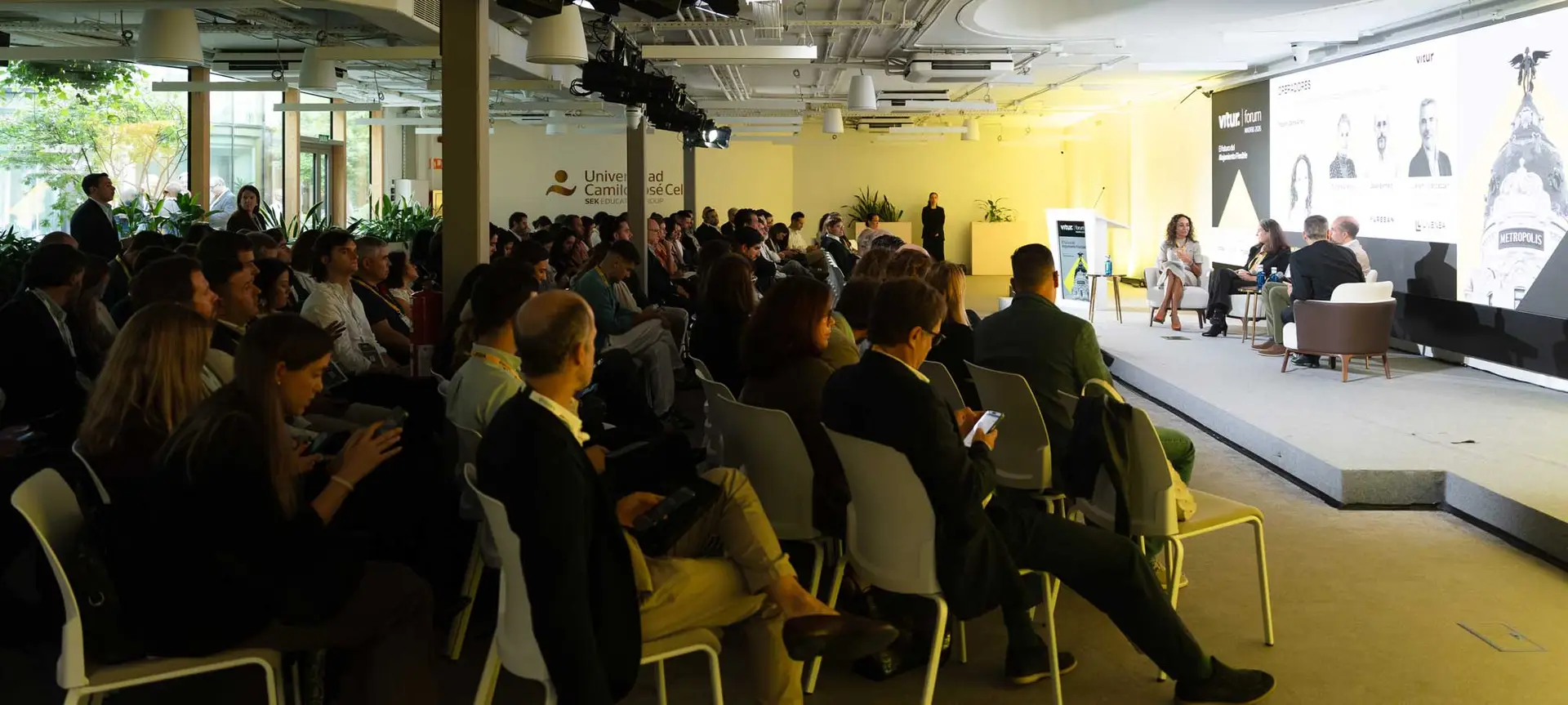
The next edition Vitur Summit 2026 will take place in Malaga on Thursdays 13 and 14 May and will once again be the meeting point for operators, investors and companies in the sector to boost their business, establish strategic alliances with the different agents involved and gain access to all the latest news, trends and opportunities in the sector from leading speakers and companies.

Continue reading

Catalonia Bans Speculative Buying: Large Holders Will Not Be Able to Invest in 271 Municipalities with Capped Rents
The government of Salvador Illa and Jéssica Albiach's Comuns have agreed a reform of the urban planning law that redefines the rules of the game for investors and operators of Flexible Accommodation in Catalonia. With fines of up to 1.5 million euros and the figure of the large landlord reduced to five properties, the measure —which affects 90% of the Catalan population— introduces unprecedented restrictions in Spain for the accumulation of residential assets in high-demand areas.
Madrid Redefines Flexible Accommodation: New Tourism Law Recognises it as Official Accommodation and Raises Standards
The Community of Madrid has launched one of the most far-reaching reforms for the Flexible Accommodation sector. The new draft Tourism Law will recognise for the first time the Tourist Use Dwellings (VUT) as a type of official tourist accommodation, establishing a framework that seeks professionalisation, quality and greater legal security.
Portugal Ventures Accelerates Flexible Accommodation Innovation with 1.5 Million Investment in Feel Sampa
Portugal's tourism ecosystem gets a new boost. Portugal Ventures has injected €1.5 million in the startup Feel Sampa, a technology platform designed to revolutionise the management of Flexible Accommodation. This strategic investment aims to consolidate Portugal as an innovation hub in the hospitality industry.
The Short Stay Rental Challenge in 2026: How European Regulation is Filtering the Professional Market
On 5 February 2026, the European Parliament adopted key legislative proposals to tackle the housing crisis on the continent.
Andalusia, Queen of Europe: Flexible Accommodation Conquers the Lead Ahead of the Côte d'Azur
The Andalusian region has been crowned as the most demanded destination in Europe for Flexible Accommodation, surpassing iconic locations such as the Côte d'Azur or Catalonia. With a record 26.6 million overnight stays in 2025, the sector is proving to be a key economic pillar, dominated by small owners and in the midst of adapting to a new regulatory framework.
The Inexhaustible Power of PBSA: Student Residences Consolidate as Spain's Star Flexible Accommodation Asset
Far from being a passing fad, investment in student housing (PBSA) in Spain confirms its long-term appeal. The sector's major operators point to structurally solid demand and a shortage of quality supply as the drivers of a segment that continues to attract institutional capital and defy any signs of drying up.