The Great Convergence: Hospitality Brands Break Down Barriers between Living and Leisure

The hospitality industry is in the midst of a profound redefinition of itself. Brands that once specialised in a single niche - whether luxury hotels, youth hostels or serviced flats - are now expanding their horizons, creating ecosystems that encompass a much broader spectrum of living and leisure experiences.

This trend of «brand flexibilisation» is a strategic response to a consumer who no longer fits into rigid categories. A luxury business traveller may be looking for a serviced flat for an extended stay, a coliving for a team project, or even a hotel. lifestyle for a weekend of leisure. The smartest brands have understood that the key to long-term loyalty lies not in a single product, but in being able to offer a solution for every need and every stage of their customer's life.

Operators traditionally associated with the Flexible Accommodation are making inroads into the hotel sector, and vice versa. We are seeing renowned hotel brands launching concepts of coliving, student residences or branded residences, recognising the enormous potential of long-stay models with a strong community component.

At the same time, companies native to the Flexible Accommodation are diversifying their portfolio. A serviced flat operator can expand to include designer hostels, hotels, hotels boutique or even spaces of coworking, The new system is a comprehensive offering that appeals to a wider and more diversified customer base.

What is driving this convergence?

  • Maximising customer value: By offering multiple products, brands can accompany customers throughout their lives, from their student years to business trips and family holidays, maximising revenue per customer.
  • Business resilience: Diversification allows companies to be more resilient to market fluctuations. A balanced portfolio of leisure, business and extended stay is less vulnerable to crises or changes in travel trends.
  • Economies of scale: The management of different types of assets under a single brand or group enables the optimisation of operations, technology and marketing strategies, generating synergies and efficiencies.

This era of convergence is giving rise to a hospitality sector that is more dynamic, innovative and customer-centric than ever before. The brands that manage to «flex» their identity and offering, breaking down the barriers between ‘living’ and leisure, will lead the industry into the next decade.
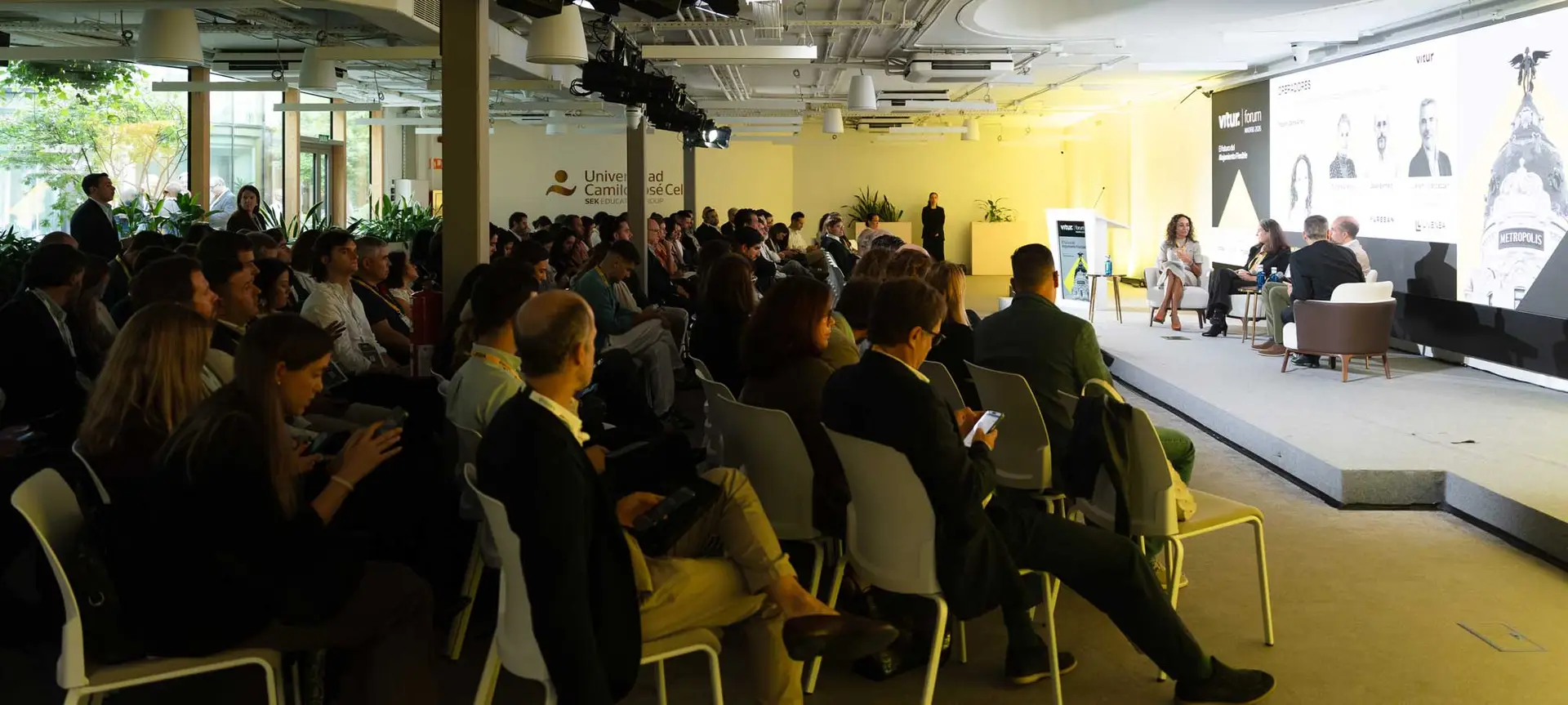
The next Vitur events will be held in Madrid el 8 de octubre and in Seville on November 26th, and will once again be the meeting point for operators, investors and companies in the sector to boost their business, establish strategic alliances with the various stakeholders involved and access all the news, trends and opportunities in the sector from leading speakers and companies.

Continue reading

Grupo Salas Irrumpe en el Flex Living: 1.500 Unidades y Alianza Estratégica para Conquistar Madrid, Barcelona, Valencia y Málaga
El grupo inmobiliario, con más de 30 años de trayectoria y 4.000 viviendas entregadas, lanza una nueva división que abarca Flex Living, Senior Living y hoteles. En su vertical de Alojamiento Flexible, ya tiene suelos en proceso de adquisición y un operador nacional como socio para desarrollar un portfolio mid-market dirigido a profesionales jóvenes y cuentas corporativas.
Extremadura Redefine el Mapa Turístico: El Slow Tourism Como Alternativa al Modelo de Masificación en España
La región más inexplorada de la Península se posiciona como destino estratégico para el Alojamiento Flexible orientado al turismo experiencial y sostenible. Con tres Patrimonios de la Humanidad, ecosistemas únicos como la dehesa ibérica y cielos certificados Starlight, Extremadura ofrece a operadores e inversores un territorio de baja competencia y alta autenticidad en un contexto de saturación turística en los destinos tradicionales españoles.
Be Mate Accelerates in Málaga: Three New Buildings and a Forecast of 45,000 Customers by 2026
La plataforma especializada en gestión integral de Alojamiento Flexible incorpora Be Mate Málaga Catedral, Be Mate Playa y Be Mate Málaga Soho entre noviembre de 2025 y febrero de 2026, consolidando la capital de la Costa del Sol como mercado estratégico y reforzando su modelo data driven bajo la presidencia de Cristian Flórez.
Málaga Freezes Tourist Growth: Three-Year Moratorium on New Hotel and Apartment Licences
The Málaga City Council has approved a moratorium of up to three years – from August 2025 to August 2028 – which suspends the granting of new licenses for tourist homes and hotel establishments throughout the city. 12,754 VUT recorded y 8,596 active, The mayor, Francisco de la Torre, justified the measure as the third phase of a progressive containment strategy initiated in June 2024, with the aim of reformulating the PGOU and making Flexible Accommodation compatible with the right to housing. The halt comes at a time when the registration of new tourist flats in the capital was still growing. 3,8%, facing 10,5% of the province and the 11,5% of Andalusia.
Andalusia Consolidates its Leadership in Flexible Accommodation: 271% of National Investment and 401% of Operations
The Andalusian community is positioned as the second-largest recipient of capital in short-stay Flexible Accommodation in Spain and the absolute leader in transaction numbers, according to data from Savills presented at the Vitur Summit 2026. Málaga and Seville are emerging as the main hubs for national and international investors in Flex Living.
The Supreme Court Overturns the Single State Register of Tourist Flats: Infringement of Regional Competences
Ruling No. 620/2026, issued on 19 May, declares null and void the provisions of Royal Decree 1312/2024 that created the national register of short-term rentals, in a decision that reorders the regulatory map of Flexible Accommodation in Spain and returns control over their own Tourist Accommodation registration systems to the autonomous communities.