The contemporary traveller is no longer satisfied with traditional stays. A new wave of long-term demand is redefining the contours of hospitality, and with it, "hybrid hospitality" is emerging with a vengeance. This concept, which combines the benefits of a hotel, the privacy of a flat and the comfort of a home, is driving a transformation in the hospitality industry. Flexible Accommodation.
This evolution is not accidental. Factors such as the consolidation of remote working, the trend towards remote bleisure (combining business with leisure) and the desire for longer or more immersive holidays have created a clear need for accommodation solutions that offer more than a standard hotel room. Travellers are looking for a "home away from home", a space where they can work, relax and live with greater autonomy.
This is where the Flexible Accommodation in its hybrid format shines brightly. The value proposition is undeniable: more space, privacy and, crucially, access to amenities such as fully equipped kitchens and laundry facilities. This functionality not only enhances the quality of life during an extended stay, but also translates into greater economic efficiency for the guest. The ability to cook, for example, significantly reduces restaurant expenses, making the stay more affordable for extended periods. In addition, these models often foster a sense of community, an added value for digital nomads or relocating professionals.
From the perspective of operators and investors, hybrid hospitality presents itself as a highly attractive business model. Longer stays translate into higher and more stable employment ratesThe seasonal volatility is reduced. In turn, the operating and personnel costs tend to be more efficient compared to traditional hotels, which improves profit margins. Reduced guest turnover also simplifies management and builds loyalty.
Examples of this trend can be seen in the proliferation of extended stay hotels, serviced flats, recreational coliving and the branded residenceswhich offer a range of options tailored to different profiles and lengths of stay. While major cities remain the main attraction, this model is successfully expanding to secondary cities and popular leisure destinations, reaching a diverse audience that includes remote workers, professionals with specific projects, families, students and digital nomads.
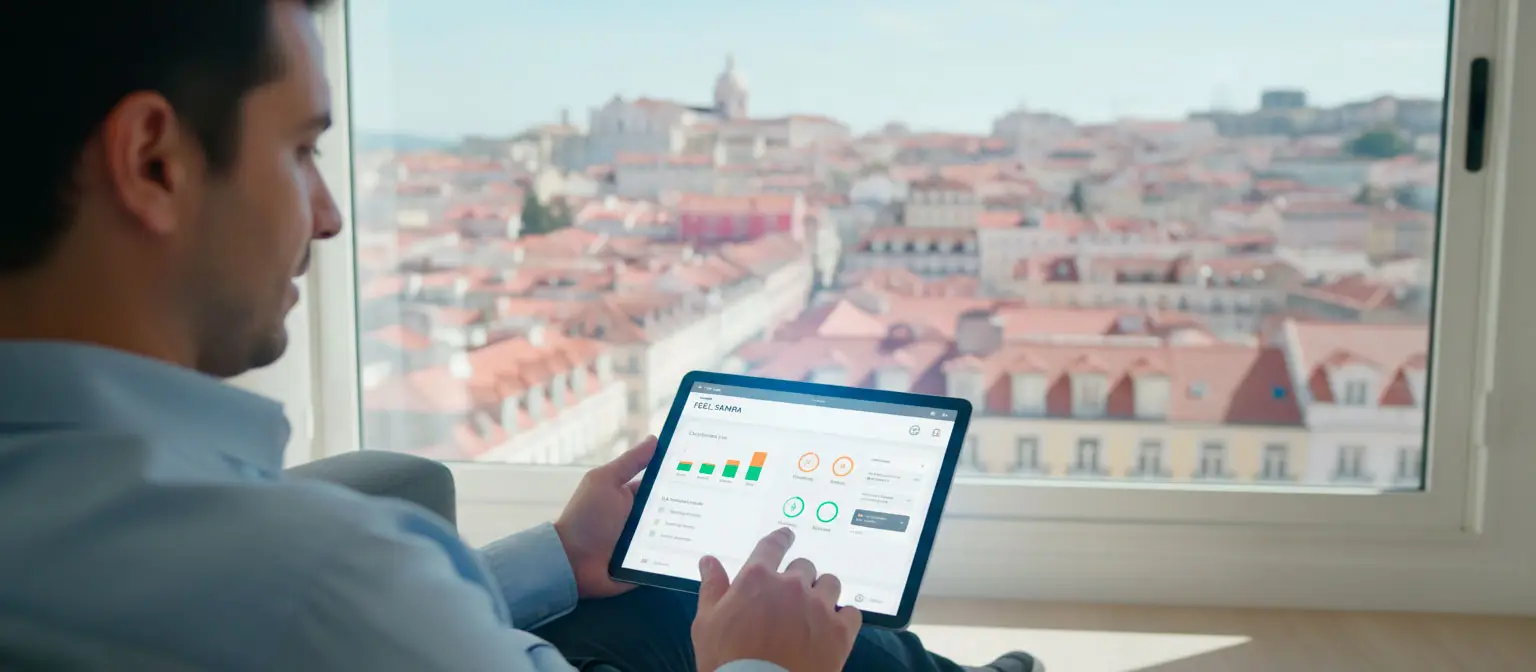
Technology plays a critical enabling role in this transformation, facilitating frictionless experiences through check-in/out digital, smart entry systems and personalised on-demand services. The Flexible Accommodation hybrid is not just a fad; it is a strategic response to the changing demands of the modern traveller, a resilient model that is redefining expectations of comfort and functionality in the global hospitality sector.