Blackstone's Backlash Bet: The Refuge of Luxury Hotels in Times of Uncertainty

As the travel industry holds its breath for a possible moderation in demand following the post-pandemic "revenge tourism" boom, the world's largest owner of commercial real estate, Blackstoneis doing exactly the opposite: a massive and calculated commitment to luxury hotels. The firm has invested more than 30 billion in hotel deals since the start of the pandemic, a clear sign of their confidence in the strength of this segment.

The logic behind this counter-current strategy is multifaceted and deeply strategic. First of all, Blackstone relies on the resilience of the affluent consumer. This traveller profile is less susceptible to economic fluctuations, and their spending on travel experiences tends to be more stable and predictable, even in times of uncertainty.

But the fundamental pillar of his investment thesis lies in the shortage of new supply. As Blackstone chairman Jonathan Gray points out, "the numbers of new supply are extraordinarily low... that gives us a lot of conviction". Building a new luxury hotel in major destinations is a long, complex and extremely expensive process, weighed down by difficult permitting and high construction costs. This barrier to entry creates a kind of protective 'moat' around existing high-quality assets, making them virtually irreplaceable and securing their long-term value.

Blackstone's focus is not on just any hotel, but on iconic and irreplaceable assets in locations prime. Its portfolio includes giants such as Hilton and Crown Resorts in Australia, and its focus is on properties that benefit from the strong recovery in group and corporate travel, a vital revenue stream for large luxury hotels.

This strategy, which takes the form of the acquisition of assets from Flexible Accommodation is a testament to the confidence in a model that prioritises quality over quantity. It is a move that not only seeks to capture current demand, but also to capitalise on future scarcity, positioning Blackstone to dominate a market segment where luxury is not just a service, but a solid and lasting investment.
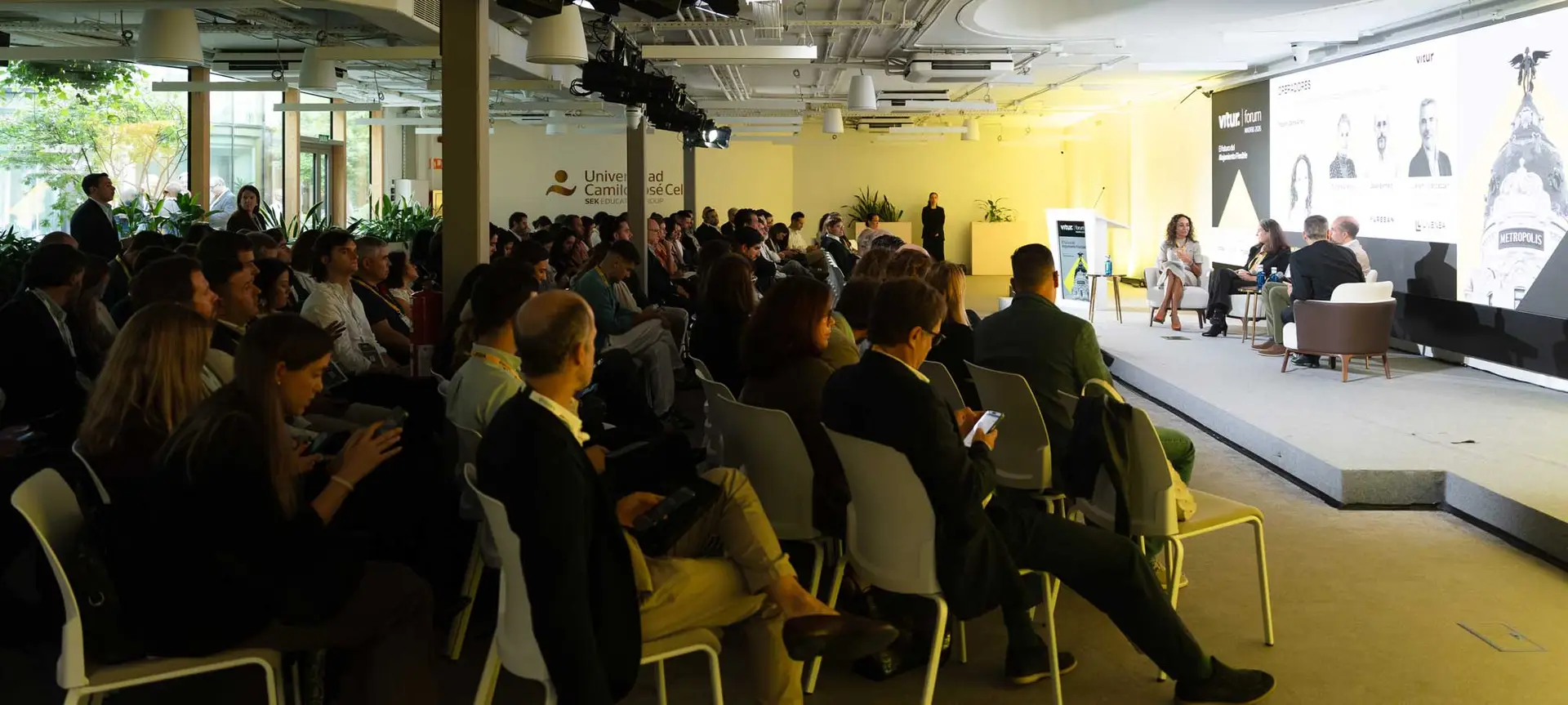
The next Vitur events will be held in Madrid el 8 de octubre and in Seville on November 26th, and will once again be the meeting point for operators, investors and companies in the sector to boost their business, establish strategic alliances with the various stakeholders involved and access all the news, trends and opportunities in the sector from leading speakers and companies.

Continue reading

Grupo Salas Irrumpe en el Flex Living: 1.500 Unidades y Alianza Estratégica para Conquistar Madrid, Barcelona, Valencia y Málaga
El grupo inmobiliario, con más de 30 años de trayectoria y 4.000 viviendas entregadas, lanza una nueva división que abarca Flex Living, Senior Living y hoteles. En su vertical de Alojamiento Flexible, ya tiene suelos en proceso de adquisición y un operador nacional como socio para desarrollar un portfolio mid-market dirigido a profesionales jóvenes y cuentas corporativas.
Extremadura Redefine el Mapa Turístico: El Slow Tourism Como Alternativa al Modelo de Masificación en España
La región más inexplorada de la Península se posiciona como destino estratégico para el Alojamiento Flexible orientado al turismo experiencial y sostenible. Con tres Patrimonios de la Humanidad, ecosistemas únicos como la dehesa ibérica y cielos certificados Starlight, Extremadura ofrece a operadores e inversores un territorio de baja competencia y alta autenticidad en un contexto de saturación turística en los destinos tradicionales españoles.
Be Mate Accelerates in Málaga: Three New Buildings and a Forecast of 45,000 Customers by 2026
La plataforma especializada en gestión integral de Alojamiento Flexible incorpora Be Mate Málaga Catedral, Be Mate Playa y Be Mate Málaga Soho entre noviembre de 2025 y febrero de 2026, consolidando la capital de la Costa del Sol como mercado estratégico y reforzando su modelo data driven bajo la presidencia de Cristian Flórez.
Málaga Freezes Tourist Growth: Three-Year Moratorium on New Hotel and Apartment Licences
The Málaga City Council has approved a moratorium of up to three years – from August 2025 to August 2028 – which suspends the granting of new licenses for tourist homes and hotel establishments throughout the city. 12,754 VUT recorded y 8,596 active, The mayor, Francisco de la Torre, justified the measure as the third phase of a progressive containment strategy initiated in June 2024, with the aim of reformulating the PGOU and making Flexible Accommodation compatible with the right to housing. The halt comes at a time when the registration of new tourist flats in the capital was still growing. 3,8%, facing 10,5% of the province and the 11,5% of Andalusia.
Andalusia Consolidates its Leadership in Flexible Accommodation: 271% of National Investment and 401% of Operations
The Andalusian community is positioned as the second-largest recipient of capital in short-stay Flexible Accommodation in Spain and the absolute leader in transaction numbers, according to data from Savills presented at the Vitur Summit 2026. Málaga and Seville are emerging as the main hubs for national and international investors in Flex Living.
The Supreme Court Overturns the Single State Register of Tourist Flats: Infringement of Regional Competences
Ruling No. 620/2026, issued on 19 May, declares null and void the provisions of Royal Decree 1312/2024 that created the national register of short-term rentals, in a decision that reorders the regulatory map of Flexible Accommodation in Spain and returns control over their own Tourist Accommodation registration systems to the autonomous communities.