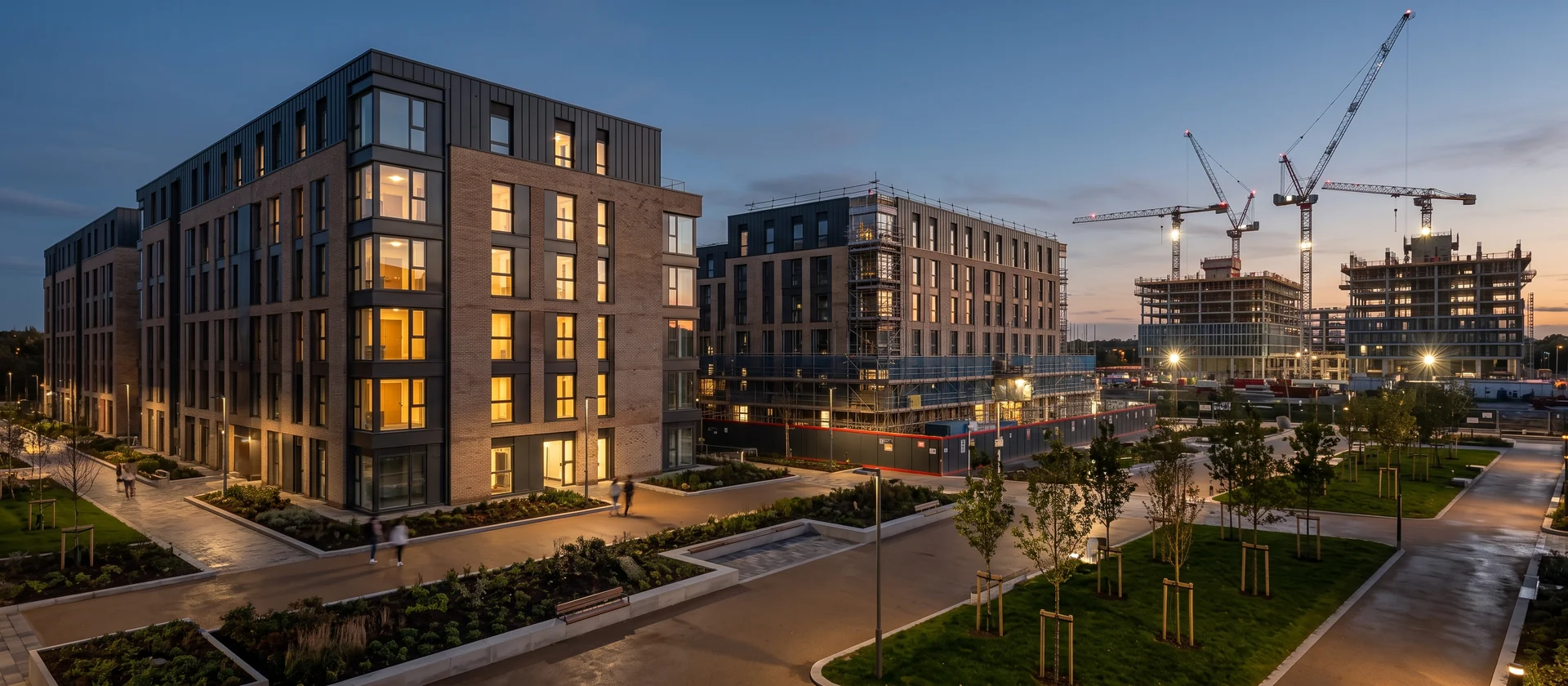
The Luxury Multiplier Effect: How Branded Residences Boost the Value of Mixed-Use Projects

In the sophisticated world of real estate development, the branded residences have gone from being a mere luxury add-on to become the secret ingredient that maximises the value of mixed-use projects. This form of Flexible Accommodation and residential development, which fuses private ownership with the services and prestige of a high-end brand, acts as a powerful value driver, generating benefits that extend to all components of the development.

The magic of the branded residences lies in the "halo effect" they project. When a renowned luxury brand, be it a hotel or not, puts its stamp on a project, it takes on an aura of exclusivity, quality and trust. This prestige not only attracts buyers with high purchasing power, but also raises the status of the entire complex, benefiting the hotel component, the retail and its constituent offices.

From a financial perspective, the inclusion of branded residences is a masterstroke. The revenues generated by the sale of these residences at a price of premium are crucial to the viability of the project. This initial capital flow can help to financing the construction of the other componentsThe brand confidence also accelerates the pace of pre-development, ensuring greater financial stability from the earliest stages. The confidence that the brand brings also accelerates the pace of pre-sales, ensuring greater financial stability from the earliest stages.

But the value is not only financial. The branded residences create a vibrant and high quality ecosystem. Residents, with their spending power and lifestyle, become natural customers for the resort's upscale shops, fine dining restaurants and other amenities, generating sustained demand. At the same time, the hotel component benefits from the association with the brand, attracting guests seeking the same level of service and exclusivity.

This symbiosis creates a destination in itself, a place to live, work, shop and socialise, all under an umbrella of luxury and impeccable service. It is a model that responds to the new demands of a more integrated and experiential urbanism. The Flexible Accommodation high-end, in its version of branded residenceis the catalyst that transforms a simple collection of buildings into a cohesive luxury destination with a value that transcends the sum of its parts.
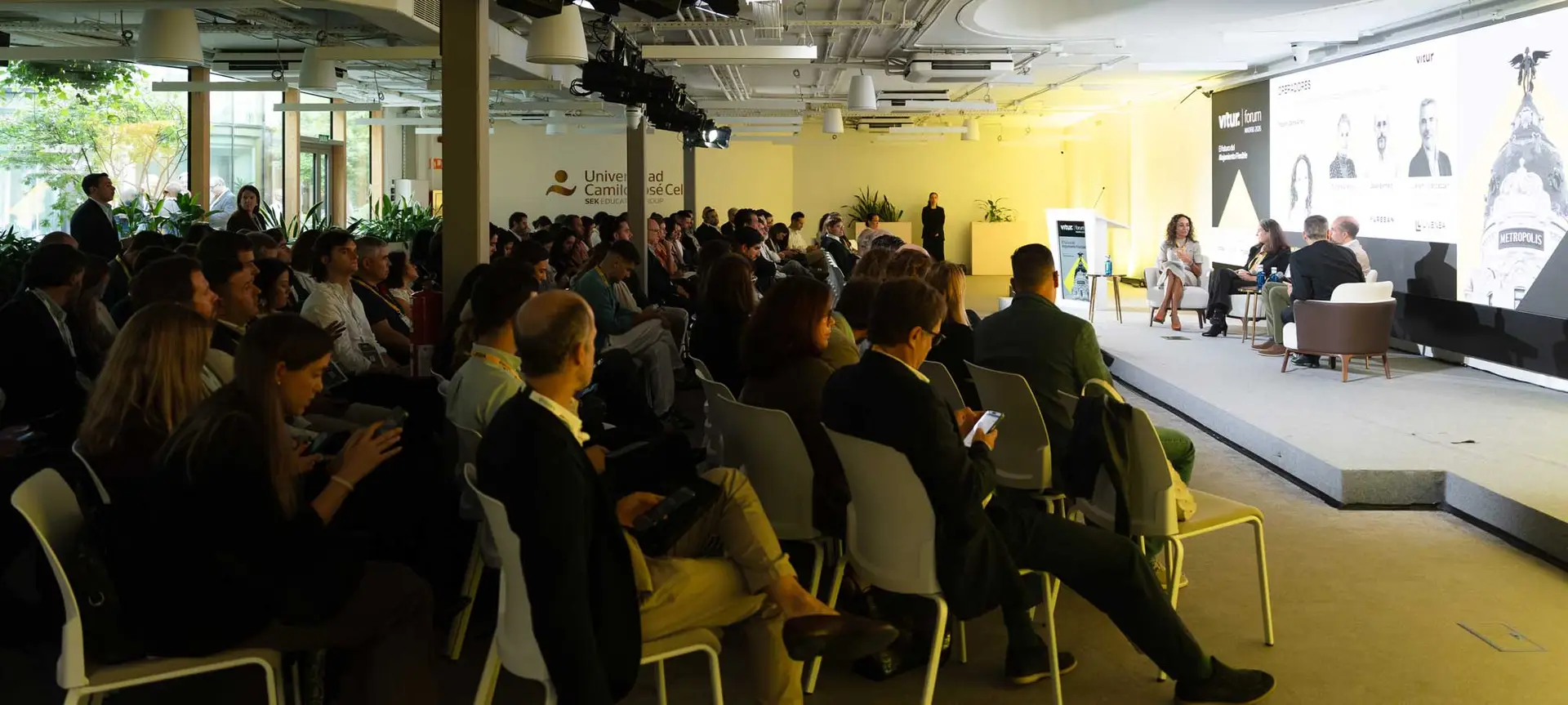
The next edition Vitur Summit 2026 will take place in Malaga on Thursdays 13 and 14 May and will once again be the meeting point for operators, investors and companies in the sector to boost their business, establish strategic alliances with the different agents involved and gain access to all the latest news, trends and opportunities in the sector from leading speakers and companies.

Continue reading

Madrid Redefines Flexible Accommodation: New Tourism Law Recognises it as Official Accommodation and Raises Standards
The Community of Madrid has launched one of the most far-reaching reforms for the Flexible Accommodation sector. The new draft Tourism Law will recognise for the first time the Tourist Use Dwellings (VUT) as a type of official tourist accommodation, establishing a framework that seeks professionalisation, quality and greater legal security.
Portugal Ventures Accelerates Flexible Accommodation Innovation with 1.5 Million Investment in Feel Sampa
Portugal's tourism ecosystem gets a new boost. Portugal Ventures has injected €1.5 million in the startup Feel Sampa, a technology platform designed to revolutionise the management of Flexible Accommodation. This strategic investment aims to consolidate Portugal as an innovation hub in the hospitality industry.
The Short Stay Rental Challenge in 2026: How European Regulation is Filtering the Professional Market
On 5 February 2026, the European Parliament adopted key legislative proposals to tackle the housing crisis on the continent.
Andalusia, Queen of Europe: Flexible Accommodation Conquers the Lead Ahead of the Côte d'Azur
The Andalusian region has been crowned as the most demanded destination in Europe for Flexible Accommodation, surpassing iconic locations such as the Côte d'Azur or Catalonia. With a record 26.6 million overnight stays in 2025, the sector is proving to be a key economic pillar, dominated by small owners and in the midst of adapting to a new regulatory framework.
The Inexhaustible Power of PBSA: Student Residences Consolidate as Spain's Star Flexible Accommodation Asset
Far from being a passing fad, investment in student housing (PBSA) in Spain confirms its long-term appeal. The sector's major operators point to structurally solid demand and a shortage of quality supply as the drivers of a segment that continues to attract institutional capital and defy any signs of drying up.
Welcomer Breaks into the Market: A New Operator is Born to Capitalise on the Seasonal Rental Boom
Flexible Accommodation in Spain welcomes a new specialised player. Welcomer, led by Axel Edric Capriles, is born to focus on the growing niche of seasonal rentals, a segment driven by new work models and increasing restrictions on traditional tourist rentals, seeking to offer high quality solutions for medium-term stays.