Digital and Bureaucratic Collapse: Unique Registration Number Challenges Flexible Accommodation in Tourist Municipalities

The ambitious implementation of the Single Rental Register Number (NRUA) in Spain, designed to exert greater control over the rental market, has been Flexible Accommodation and seasonal, is encountering its first major stumbling block: the processing capacity of municipal registries. Far from being an agile process, the "avalanche" of applications is collapsing many offices in the country's main tourist municipalities.

Recent data speak for themselves. To date, the registrars have processed 340,000 applications of the NRUA. However, the final validation is a slow process: it only takes a few months. 145,152 applications (one 42%) have been definitively accepted, whereas 18,727 (a 5.5%) have been denied. Alarmingly, more than 176,000 applications (over 50%) are still awaiting verification. This bureaucratic bottleneck has a direct and immediate consequence: it prevents thousands of flats from being Flexible Accommodation can advertise on such crucial platforms as Airbnb and Booking.com, which have already started to remove listings without the number (provisional or final).

The complexity is compounded by the "disparity of criteria" between the different Autonomous Communities for the granting of the NRUA. What is a requirement in one region may be different in another: from a specific regional licence or a certificate of habitability, to a municipal licence or proof of compliance with specific tourism requirements. This bureaucratic heterogeneity, coupled with the high volume of applications, is causing significant delays that exasperate owners.

While the government argues that this measure aims to tackle the "housing problem" and increase the supply of long-term rentals, the sector remains sceptical. They argue that the majority of these properties in the Flexible Accommodation will not be converted into long-term residential rentals, as their locations or characteristics do not match the traditional demand for housing. The "war" against tourist flats, far from abating, looks set to "intensify" this summer, driven precisely by the difficulties in obtaining this registration.

This scenario generates a tension between the government's regulatory will and the operational reality of the market. The intention of greater control and transparency faces the complexity of its implementation and the consequences that the difficulty of access to NRUA will have on the legal offer of Flexible Accommodation and the business of thousands of owners who, despite operating within the law, are caught in an administrative limbo. The economic impact and the reconfiguration of the tourism and residential market in the coming seasons will depend, to a large extent, on the agility with which this registry challenge is resolved.
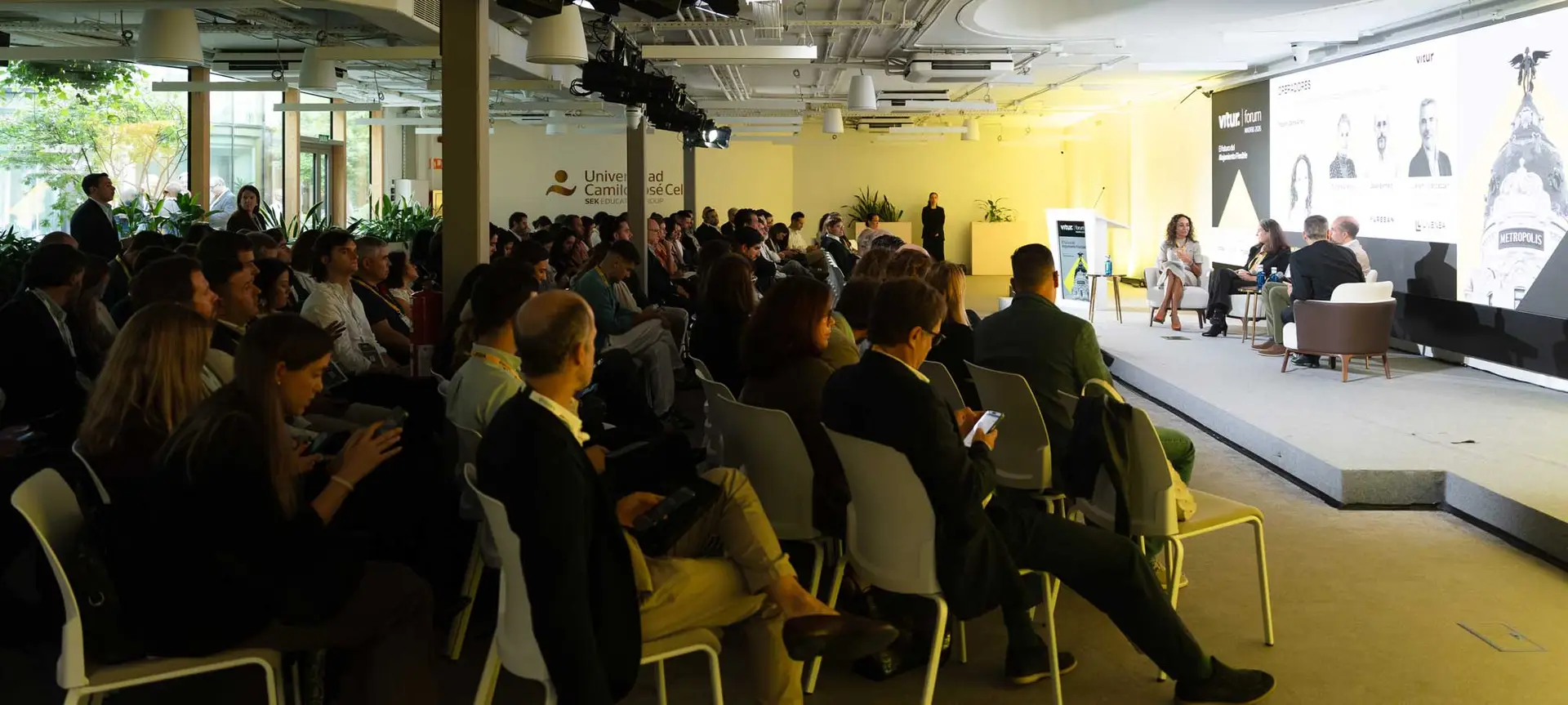
The next Vitur events will be held in Madrid el 15 de octubre and in Seville on November 26th, and will once again be the meeting point for operators, investors and companies in the sector to boost their business, establish strategic alliances with the various stakeholders involved and access all the news, trends and opportunities in the sector from leading speakers and companies.

Continue reading

Detalle de un cuadro eléctrico y contadores modernos en el cuarto de instalaciones de un edificio residencial, ilustrativo de la digitalización de la gestión de suministros
Cuatro Proptech Atacan lo que la Promoción Sigue Haciendo a Mano: Suministros, Preventa, Liquidez Sénior y Grietas
El Clúster de la Edificación, Asprima y la Universidad Politécnica de Madrid reunieron a cuatro compañías tecnológicas que no venden vivienda, sino que arreglan procesos internos del sector. Zenova digitaliza los suministros, Framearq lleva la realidad virtual a la preventa, Jubenial busca liquidez para el propietario mayor y Feelbat monitoriza estructuras con sensores.
Calle de un desarrollo urbano reciente en el norte de Madrid con bloques residenciales contemporáneos, aceras anchas y arbolado joven, ilustrativa del ecosistema de Alojamiento Flexible de Valdebebas
Valdebebas Reúne 5.641 Unidades de Alojamiento Flexible y Seis Operadores: Apenas el 28% Está en Explotación
El barrio del norte de Madrid concentra 5.641 unidades operativas o en desarrollo, según el departamento de Advisory de Activum. De ellas, apenas 1.603 funcionan ya: por cada unidad en explotación hay dos y media en obra. Seis operadores conviven en el mismo ámbito, algo que no ocurre en ningún otro punto de España.
Vista aérea de una gran ciudad española con bloques residenciales y grúas de obra, ilustrativa del volumen de inversión en el mercado living español
El Multifamily Acapara el 78% del Living Español: al Alojamiento Flexible le Llegan 425 de 4.593 Millones
El informe Snapshot de Living de Colliers cifra en 4.593 millones de euros la inversión del primer semestre en España. El multifamily se lleva 3.560, las residencias de estudiantes 608 y el Alojamiento Flexible 425. España invierte a un ritmo del 323% de su media de los últimos cinco años, frente al 85% europeo.
Edificio de oficinas de mediados del siglo XX en el barrio de Salamanca de Madrid en proceso de reconversión en estudios de Alojamiento Flexible
Simplifika Convierte unas Oficinas Obsoletas del Barrio de Salamanca en Alojamiento Flexible bajo el Modelo de Limehome
El proyecto MA18 transformará un edificio de 1.166 metros cuadrados en la calle Maestro Alonso, vacío y funcionalmente agotado como oficinas, en estudios de alto standing repartidos en cinco plantas. Operará con el sistema digitalizado de Limehome, que automatiza el registro y el acceso de los huéspedes.
Edificio urbano de apartamentos con servicios vacío al anochecer, ilustrativo del cese de operaciones del operador Sonder y la venta de su marca
De Sonder Solo Queda el Nombre: TravelAI Compra la Marca sin Edificios, sin Contratos y sin Equipo
La canadiense TravelAI se ha quedado con las marcas registradas y los dominios de Sonder, pero no con sus edificios, sus contratos de arrendamiento, su inventario ni su plantilla. El operador de apartamentos con servicios liquidó su negocio en noviembre, después de que Marriott rompiera el acuerdo de licencia que los unía.
Balcones de un edificio de apartamentos turísticos en una ciudad andaluza, ilustrativos del debate fiscal sobre el IVA aplicable al alojamiento profesional
Las Patronales Andaluza y Catalana Cierran Filas contra el IVA del 21%: Reclaman el Mismo Trato Fiscal que los Hoteles
AVVAPro y Federatur han formado un frente común contra la subida del IVA al 21% que el Gobierno ha aplazado a septiembre por falta de apoyos parlamentarios. Junto a otras asociaciones suman el 60% de la oferta profesional de España y reclaman el mismo trato fiscal que los hoteles, que tributan al 10%.