In today's hospitality landscape, the line between different types of accommodation is increasingly blurred, and serviced flats are emerging with particular strength. This type of Flexible Accommodation not only has it gained popularity, but in certain metrics, it seems to be outperforming traditional hotels, better adapting to the new demands of a traveller who is looking for more than just a room.
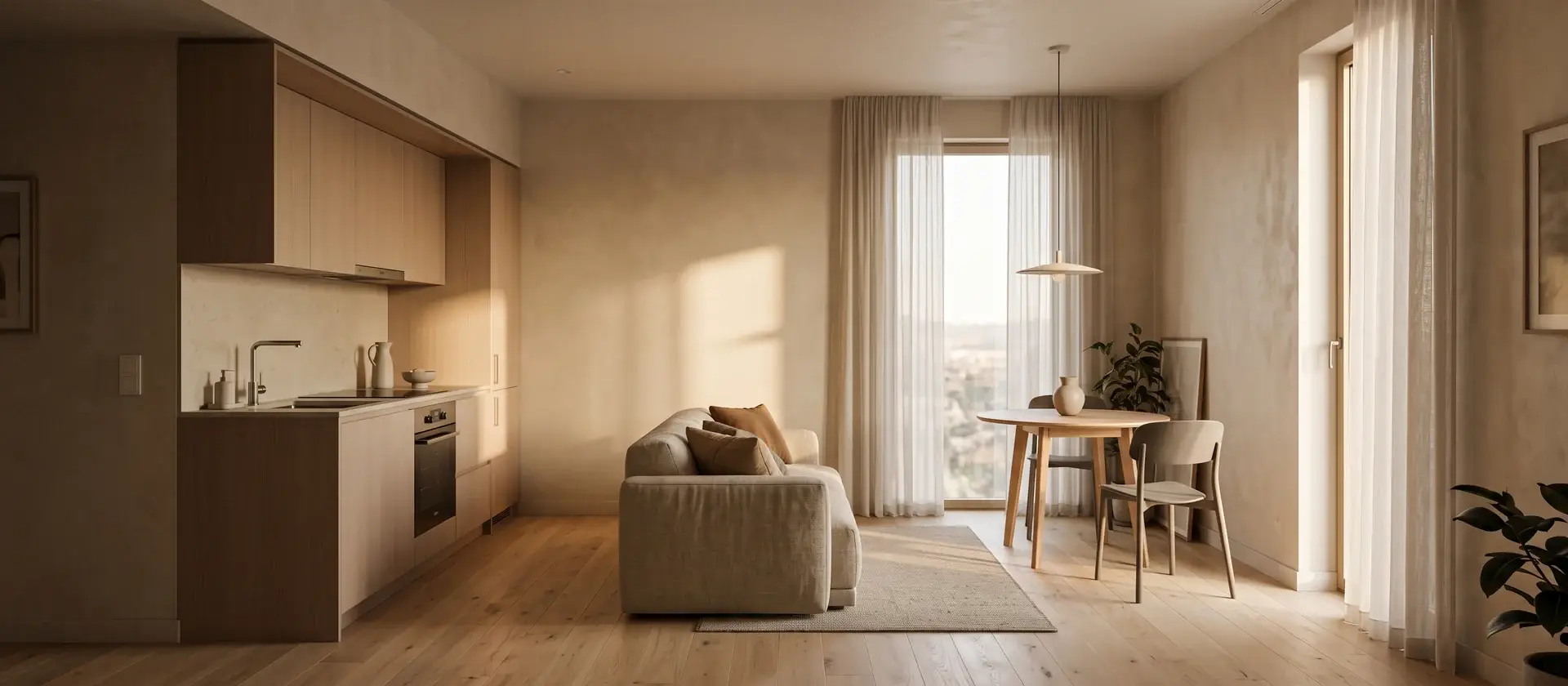
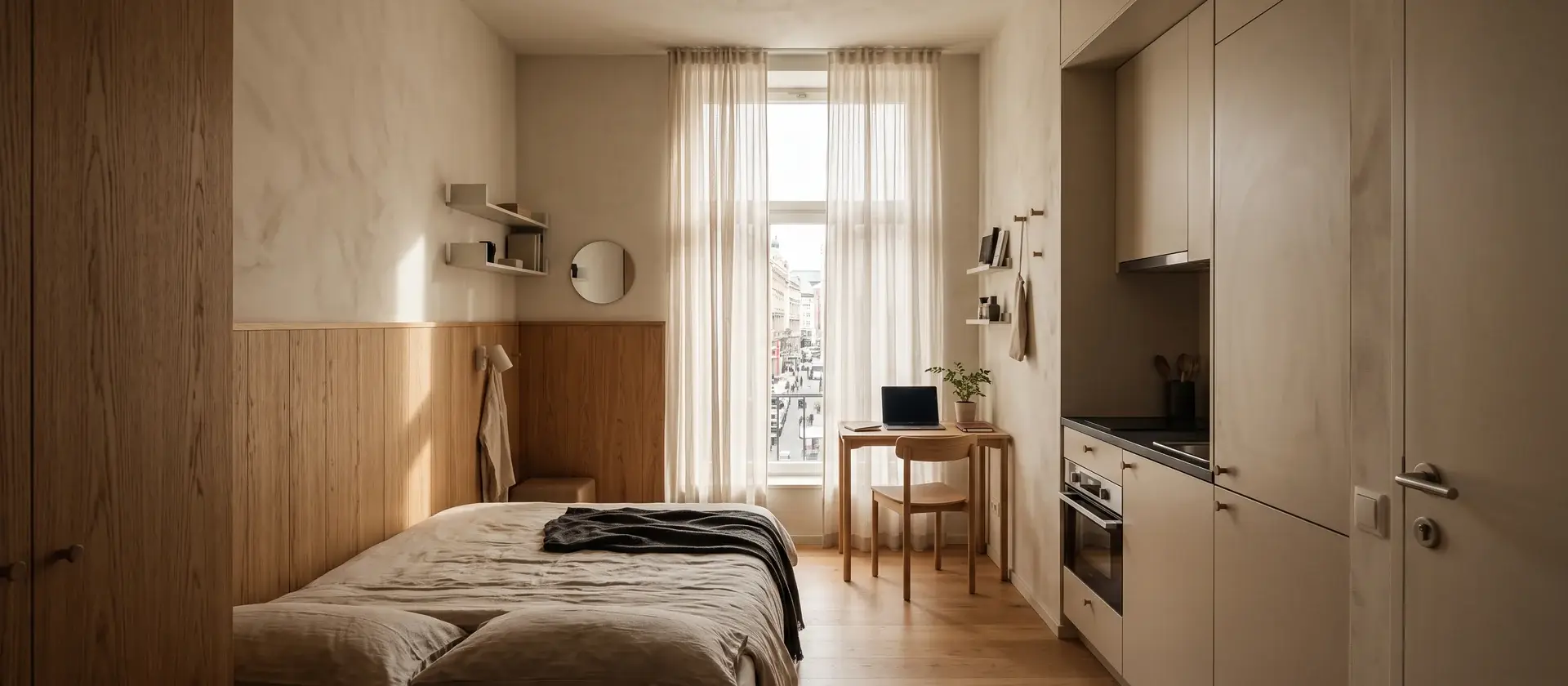
The fundamental advantage of a serviced flat is precisely the space and functionality it offers. While a hotel provides one room, a flat includes a living room, a fully equipped kitchen and often multiple bedrooms. This configuration is ideal for families, groups or business travellers who need a more spacious environment and the ability to cook their own meals, which translates into significant savings in feed costs for extended stays. The "home away from home" feeling is a powerful attraction, especially for longer stays. medium and long duration.
From a business perspective, serviced flats also have clear advantages. Operators such as Marriott, with its Homes & Villas division, or Hyatt with Destination by Hyatt, are integrating this model into their portfolios, recognising its profitability and its ability to appeal to a specific market segment. A critical point is the flexibility of rates and reservations. Whereas hotels tend to have more rigid pricing structures, the Flexible Accommodation can offer dynamic pricing models and booking conditions more adapted to the length of stay, attracting both leisure and business travellers.
In addition, the serviced flat model can operate with lower labour costs compared to a traditional large-scale hotel, which requires a larger staff to manage 24-hour reception, restaurants, bars, and extensive daily housekeeping services. The automation of the check-in and the check-outThe use of the new technology, together with on-demand services, contributes to greater operational efficiency.
Although the initial impact of the pandemic hit the entire tourism sector, serviced flats demonstrated a remarkable resilience. Their offer of private and controlled spaces was better aligned with travellers' new priorities of security and social distance, allowing for a more agile recovery compared to hotels, especially those focused on large events or mass tourism.
This competition does not mean the demise of the traditional hotel, but an evolution of the market. Hotels are responding with the creation of larger suites, hotel residences and extended stay options. However, for a growing segment of travellers who prioritise independence, space, the convenience of a kitchen, and value for money for medium-length stays, the Flexible Accommodation through serviced flats presents a distinct competitive advantage. The question is no longer whether they have an advantage, but how the sector will adapt to offer the best of both worlds.