The flexible accommodation sector is constantly evolving. Travellers are looking for flexibility, personalisation and unique experiences. In this context, technology and innovation have become key allies for hotels that want to thrive.
In a recent interview, Sean Fitzpatrick, CEO of Lighthouse, shared his vision for the future of the industry and how Lighthouse is helping accommodation providers adapt to new challenges. Lighthouse provides market intelligence data to accommodation businesses to help them get a better view of the dynamics of their own individual markets and ultimately increase revenues.
Keys to success in flexible accommodation:
- Leveraging data: According to Fitzpatrick, hosting providers have access to an enormous amount of information, but the key is to know how to interpret it and use it to make decisions..
- Artificial Intelligence (AI) and Machine Learning (ML): AI and ML are essential tools for processing large volumes of data and automating tasks. Fitzpatrick stresses that these technologies can help overcome labour shortages and improve decision-making in areas such as pricing and distribution.
- Personalisation and promotion: Fitzpatrick notes the importance of promote the accommodation in the right channels, at the right time and for the right reason. Lighthouse is working on solutions to personalise offers and promotions according to demand patterns.
- Focus on optimisation: Unlike others, Lighthouse focuses on helping hosting providers to optimise their business and direct channels. The Lighthouse platform complements the management systems and provides a complete overview of everything that is happening in the market.
- Continued investment in technology: Fitzpatrick points out that the accommodation sector is experiencing a resurgence in investment in technology after a period of lull. This investment is crucial for accommodation businesses to adapt to new trends and remain competitive.
- Attention to the independent market: Fitzpatrick points out that the independent accommodation sector is largely underserved in terms of technologyDespite being the fastest growing segment. Lighthouse is working to offer solutions tailored to the needs of these providers.
The future of flexible accommodation:
Fitzpatrick believes that the future of accommodation lies in the adoption of technologies that make it more flexible, efficient and personalised.. AI, ML and automation will play an increasingly important role in optimising operations and improving the customer experience.
Lighthouse, with its focus on innovation and collaboration, is positioned as a strategic partner for lodging businesses looking to thrive in this new landscape. The company continues to invest in developing solutions that enable smarter decisions, increase revenue and deliver unforgettable guest experiences.
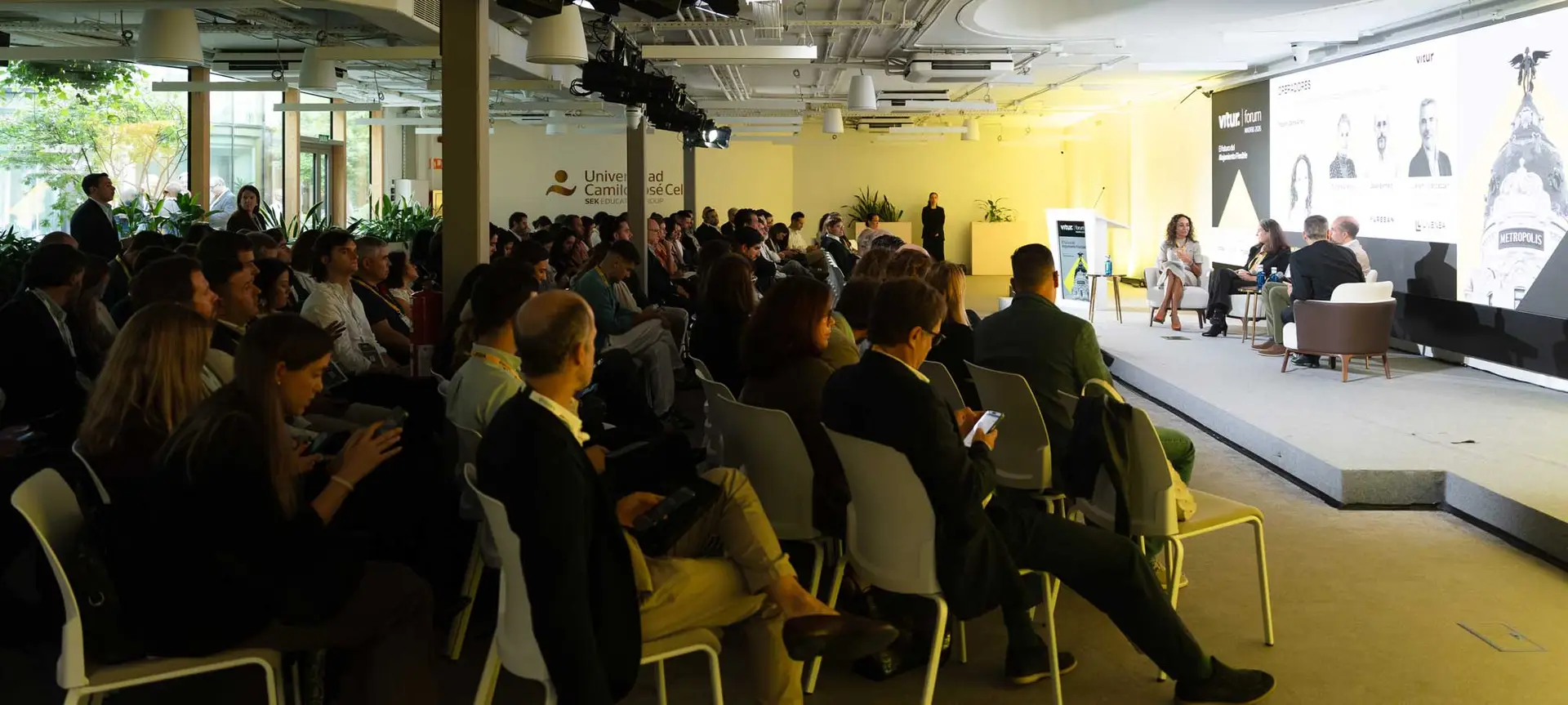
Ligthouse is one of the leaders in the sector that has participated in Vitur Summit, the reference event for Flexible Accommodation professionals in Europe.. The next edition of Vitur Summit 2025 will take place on 7 and 8 May at the NH MalagaOnce again, it will be the meeting point for operators, investors and companies in the sector to boost their business, establish strategic alliances with the different agents involved and gain access to all the latest news, trends and opportunities in the sector from leading speakers and companies.