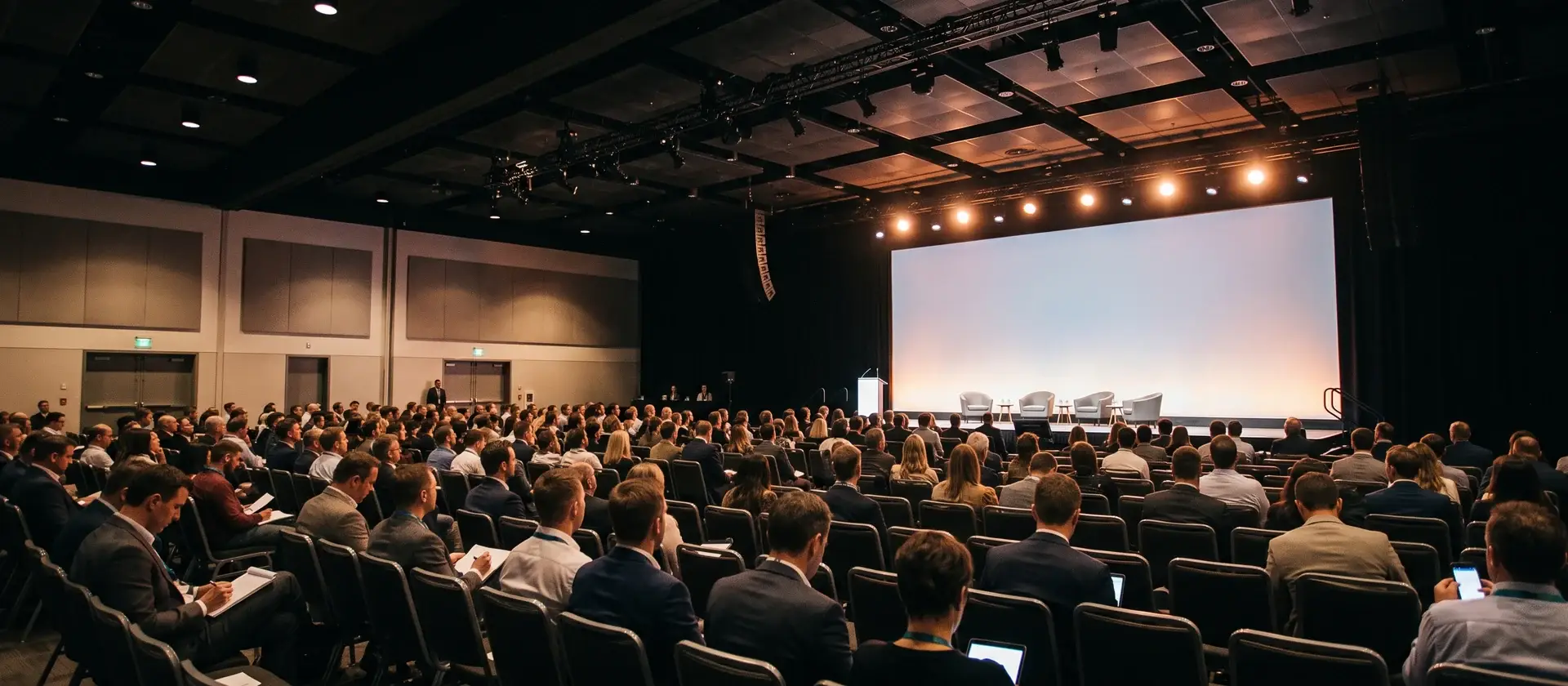
The Great Convergence: Hospitality Brands Break Down Barriers between Living and Leisure

The hospitality industry is in the midst of a profound redefinition of itself. Brands that once specialised in a single niche - whether luxury hotels, youth hostels or serviced flats - are now expanding their horizons, creating ecosystems that encompass a much broader spectrum of living and leisure experiences.

This trend of «brand flexibilisation» is a strategic response to a consumer who no longer fits into rigid categories. A luxury business traveller may be looking for a serviced flat for an extended stay, a coliving for a team project, or even a hotel. lifestyle for a weekend of leisure. The smartest brands have understood that the key to long-term loyalty lies not in a single product, but in being able to offer a solution for every need and every stage of their customer's life.

Operators traditionally associated with the Flexible Accommodation are making inroads into the hotel sector, and vice versa. We are seeing renowned hotel brands launching concepts of coliving, student residences or branded residences, recognising the enormous potential of long-stay models with a strong community component.

At the same time, companies native to the Flexible Accommodation are diversifying their portfolio. A serviced flat operator can expand to include designer hostels, hotels, hotels boutique or even spaces of coworking, The new system is a comprehensive offering that appeals to a wider and more diversified customer base.

What is driving this convergence?

  • Maximising customer value: By offering multiple products, brands can accompany customers throughout their lives, from their student years to business trips and family holidays, maximising revenue per customer.
  • Business resilience: Diversification allows companies to be more resilient to market fluctuations. A balanced portfolio of leisure, business and extended stay is less vulnerable to crises or changes in travel trends.
  • Economies of scale: The management of different types of assets under a single brand or group enables the optimisation of operations, technology and marketing strategies, generating synergies and efficiencies.

This era of convergence is giving rise to a hospitality sector that is more dynamic, innovative and customer-centric than ever before. The brands that manage to «flex» their identity and offering, breaking down the barriers between ‘living’ and leisure, will lead the industry into the next decade.
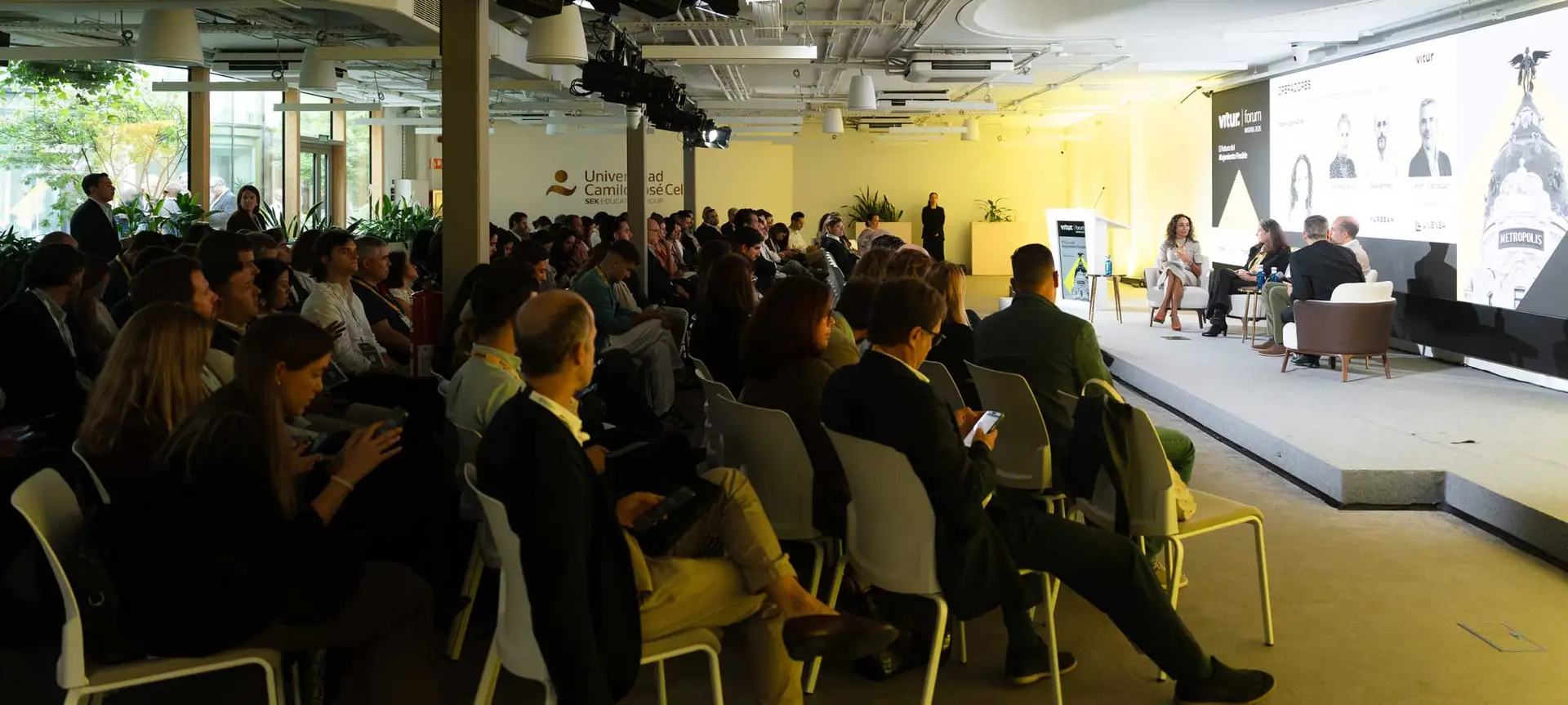
El próximo evento de Vitur se celebrará en Seville on November 26thOnce again, it will be the meeting point for operators, investors and companies in the sector to boost their business, establish strategic alliances with the different agents involved and gain access to all the latest news, trends and opportunities in the sector from leading speakers and companies.

Continue reading

Vitur Forum Madrid analiza las claves del alojamiento flexible: inversión, rentabilidad, tecnología y regulación
Complejo residencial de baja altura entre jardines mediterráneos con zonas comunes al aire libre, imagen ilustrativa del formato de Senior Living en la Costa del Sol
Eurofund Traslada su Manual de Centros Comerciales al Senior Living: Dos Suelos en la Costa del Sol y Tres Años de Trámites
La gestora que dirige Ion Saralegui, con 1.900 millones bajo gestión y los centros comerciales como negocio principal, prepara sus primeros resorts para mayores en Málaga con la marca Luana. Su tesis es que operar un coliving o un centro comercial exige lo mismo: gente que quiera quedarse.
Campus urbano de edificios contemporáneos con una residencia de estudiantes en primer término y oficinas en construcción al fondo, imagen ilustrativa
Metrovacesa Entrega sus Primeras 585 Camas de Estudiante en Oria y Avanza al 75% las 519 Unidades Flexibles
La promotora cotizada ha entregado en septiembre un edificio de 585 habitaciones para estudiantes en su campus madrileño y avanza el de 519 unidades de Alojamiento Flexible. Suma además 360 unidades de coliving en Sevilla y Valencia, mientras sus ingresos crecen un 75% hasta 465 millones.
Sala de un encuentro profesional del sector inmobiliario con sillas ocupadas y un escenario iluminado al fondo, imagen ilustrativa de Vitur Forum Madrid
El Alojamiento Flexible ya Ha Captado 677 Millones, Más que en Todo el Año Pasado, y el 85% se Queda en Madrid
Los datos que Savills presentó en Vitur Forum Madrid sitúan la inversión de media estancia en 677 millones, por encima de los 648 de todo el año pasado. Los activos ya estabilizados pasan del 7% del volumen en 2024 al 36% este año, y la tasación aprieta la financiación real.
Suite contemporánea de un apartahotel con cocina integrada, zona de estar y luz natural, imagen ilustrativa del modelo de Alojamiento Flexible de gestión digital
Limehome Apunta a 25.000 Unidades Contratadas en 2030 y Tiene Otras 2.500 ya Firmadas para España
El operador alemán gestiona más de 1.000 unidades en España y prevé sumar entre 600 y 1.000 más este año. Su cofundador insiste en que el objetivo no es abrir deprisa sino elegir bien, con edificios ajenos reconvertidos y propietarios institucionales que le ceden la explotación.
Estudio compacto contemporáneo con cama, zona de trabajo y cocina integrada en poco espacio, con luz natural, imagen ilustrativa del formato de Alojamiento Flexible
Europa Mide el «Hotelised Living» por Metro y no por Habitación: 18 Metros Cuadrados Como Punto Dulce del Producto
Inversores y operadores reunidos en Mánchester debatieron cómo se analiza un producto que ya no es hotel ni vivienda. Las estancias medias van de noche y media a cuatro y media, las unidades bajan a 16 metros cuadrados y la rentabilidad se mide por metro, una métrica que el debate español todavía no usa.