The Rental Gap: Two Years of Housing Law and its Cruel Paradox

The intention was clear: to facilitate access to housing. But two years after the Housing Law was launched in May 2023, the reality of the rental market in Spain is a jar of cold water, a paradox that hurts: less supply and skyrocketing prices.

The numbers don't lie and paint a worrying picture. At the national level, the availability of rental housing has plummeted by 18% in 2024 compared to 2022. This figure alone is food for thought. But the fall is even more pronounced in some regions, revealing the areas most affected by this contraction.

Imagine a domino effect: Castilla-La Mancha is leading this decline with an impressive reduction of 37% of rental supply. It is closely followed by the Canary Islands, which has seen its rental options shrink by 33%. Catalonia and Madrid, two of the country's major economic engines, have not escaped the scissors either, with falls of 26% and 23% respectively. The Balearic Islands, a paradise also facing shortages, has experienced a reduction of 22%The decline was more moderate in Andalusia, but it was more moderate in Andalusia. 13% less housing available.

The direct result of this shortage? An unstoppable rise in prices. Across the country, the cost of rent has skyrocketed by 15.8% in 2024 compared to 2022. Most shockingly, in the areas where the controversial price caps have been applied (control areas), prices have risen even more, by 14,3%even surpassing the 12,3% increase in uncontrolled areas. Evidence that seems to contradict the spirit of the law.

Why are landlords withdrawing their properties from the traditional rental market? The answer, as the situation emerges, points to legal uncertainty, rent control restrictions and a sense of judicial insecurity, sometimes linked to occupancy. Against this backdrop, many are opting for more flexible and less regulated rental models.

And this is where Flexible Accommodation, in its seasonal or tourist rental modalities, is gaining ground. In cities such as Madrid, the 10% of the new rental offers are seasonal, and a 6% are touristic. In Barcelona, the figures are even more shocking: the 20% are seasonal rentals and the 10% are destined for tourism. Valencia ranks with a 15% seasonal and a 10% tourism, while Malaga recorded a 14% seasonal and a 12% for tourist use. A clear shift from traditional housing to Flexible Accommodation that offers other guarantees or attractions for the owner.

The immediate future does not look any brighter. Forecasts suggest that rental supply will continue to contract, and prices, unfortunately, will continue to rise. A situation that, as the sector rightly points out, has caused "the opposite effect to the one intended" by the law. A reality that requires an in-depth analysis and solutions that truly balance tenant protection with landlord confidence, if we want housing to stop being a labyrinth in Spain.
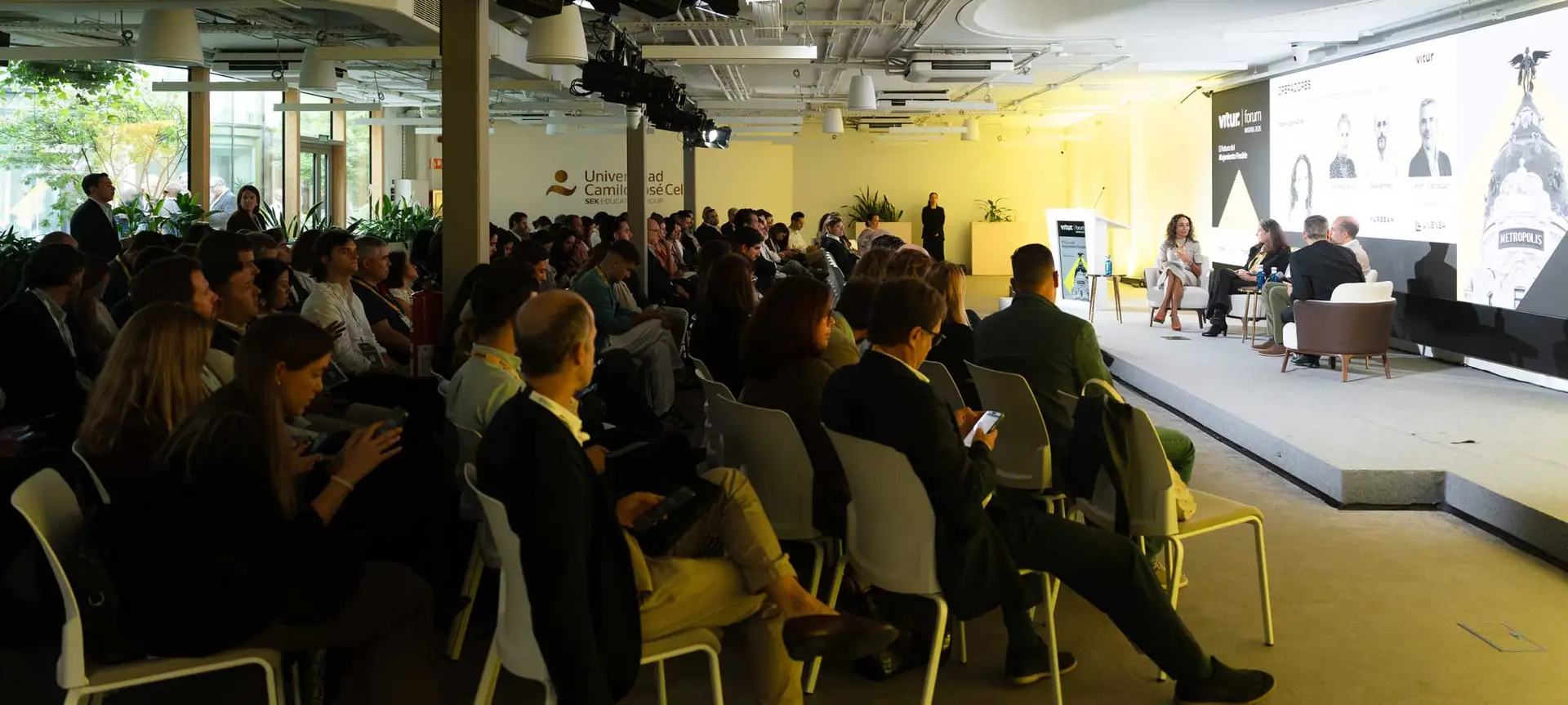
El próximo evento de Vitur se celebrará en Seville on November 26thOnce again, it will be the meeting point for operators, investors and companies in the sector to boost their business, establish strategic alliances with the different agents involved and gain access to all the latest news, trends and opportunities in the sector from leading speakers and companies.

Continue reading

Edificio de oficinas contemporáneo junto a un bloque residencial de apartamentos con servicios en un distrito empresarial de Madrid al atardecer, imagen ilustrativa
La Ocupación de las Oficinas de GMP Cae al 88% Mientras su Alojamiento Flexible Sube al 94,6% y Suma 1.165 Unidades
La socimi de la familia Montoro, participada por el fondo soberano de Singapur, cerró el semestre con 129,3 millones de beneficio y dos ocupaciones que van en direcciones opuestas. Su cartera flexible, bajo la marca Truliving, acumula proyectos para más de 1.100 apartamentos en Madrid y su periferia.
Vitur Forum Madrid analiza las claves del alojamiento flexible: inversión, rentabilidad, tecnología y regulación
Complejo residencial de baja altura entre jardines mediterráneos con zonas comunes al aire libre, imagen ilustrativa del formato de Senior Living en la Costa del Sol
Eurofund Traslada su Manual de Centros Comerciales al Senior Living: Dos Suelos en la Costa del Sol y Tres Años de Trámites
La gestora que dirige Ion Saralegui, con 1.900 millones bajo gestión y los centros comerciales como negocio principal, prepara sus primeros resorts para mayores en Málaga con la marca Luana. Su tesis es que operar un coliving o un centro comercial exige lo mismo: gente que quiera quedarse.
Campus urbano de edificios contemporáneos con una residencia de estudiantes en primer término y oficinas en construcción al fondo, imagen ilustrativa
Metrovacesa Entrega sus Primeras 585 Camas de Estudiante en Oria y Avanza al 75% las 519 Unidades Flexibles
La promotora cotizada ha entregado en septiembre un edificio de 585 habitaciones para estudiantes en su campus madrileño y avanza el de 519 unidades de Alojamiento Flexible. Suma además 360 unidades de coliving en Sevilla y Valencia, mientras sus ingresos crecen un 75% hasta 465 millones.
Sala de un encuentro profesional del sector inmobiliario con sillas ocupadas y un escenario iluminado al fondo, imagen ilustrativa de Vitur Forum Madrid
El Alojamiento Flexible ya Ha Captado 677 Millones, Más que en Todo el Año Pasado, y el 85% se Queda en Madrid
Los datos que Savills presentó en Vitur Forum Madrid sitúan la inversión de media estancia en 677 millones, por encima de los 648 de todo el año pasado. Los activos ya estabilizados pasan del 7% del volumen en 2024 al 36% este año, y la tasación aprieta la financiación real.
Suite contemporánea de un apartahotel con cocina integrada, zona de estar y luz natural, imagen ilustrativa del modelo de Alojamiento Flexible de gestión digital
Limehome Apunta a 25.000 Unidades Contratadas en 2030 y Tiene Otras 2.500 ya Firmadas para España
El operador alemán gestiona más de 1.000 unidades en España y prevé sumar entre 600 y 1.000 más este año. Su cofundador insiste en que el objetivo no es abrir deprisa sino elegir bien, con edificios ajenos reconvertidos y propietarios institucionales que le ceden la explotación.