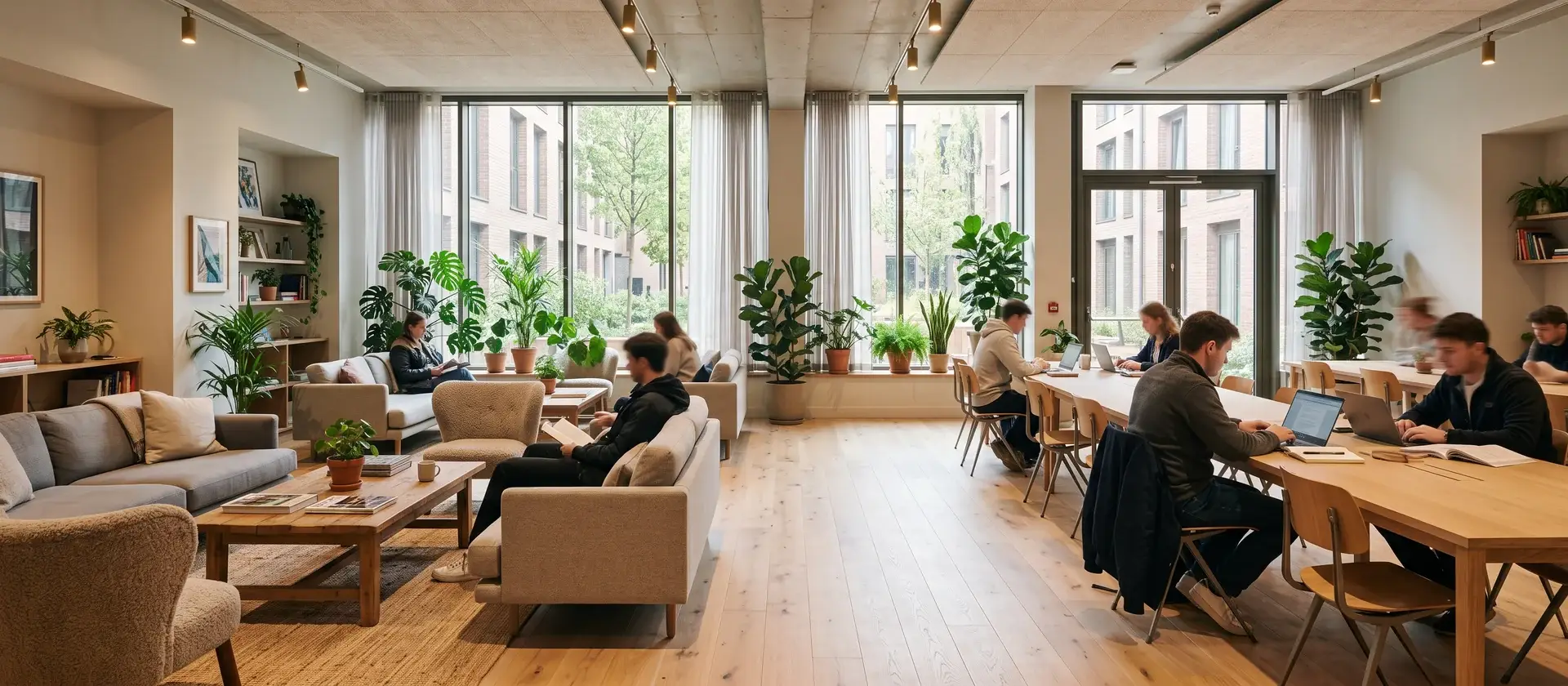
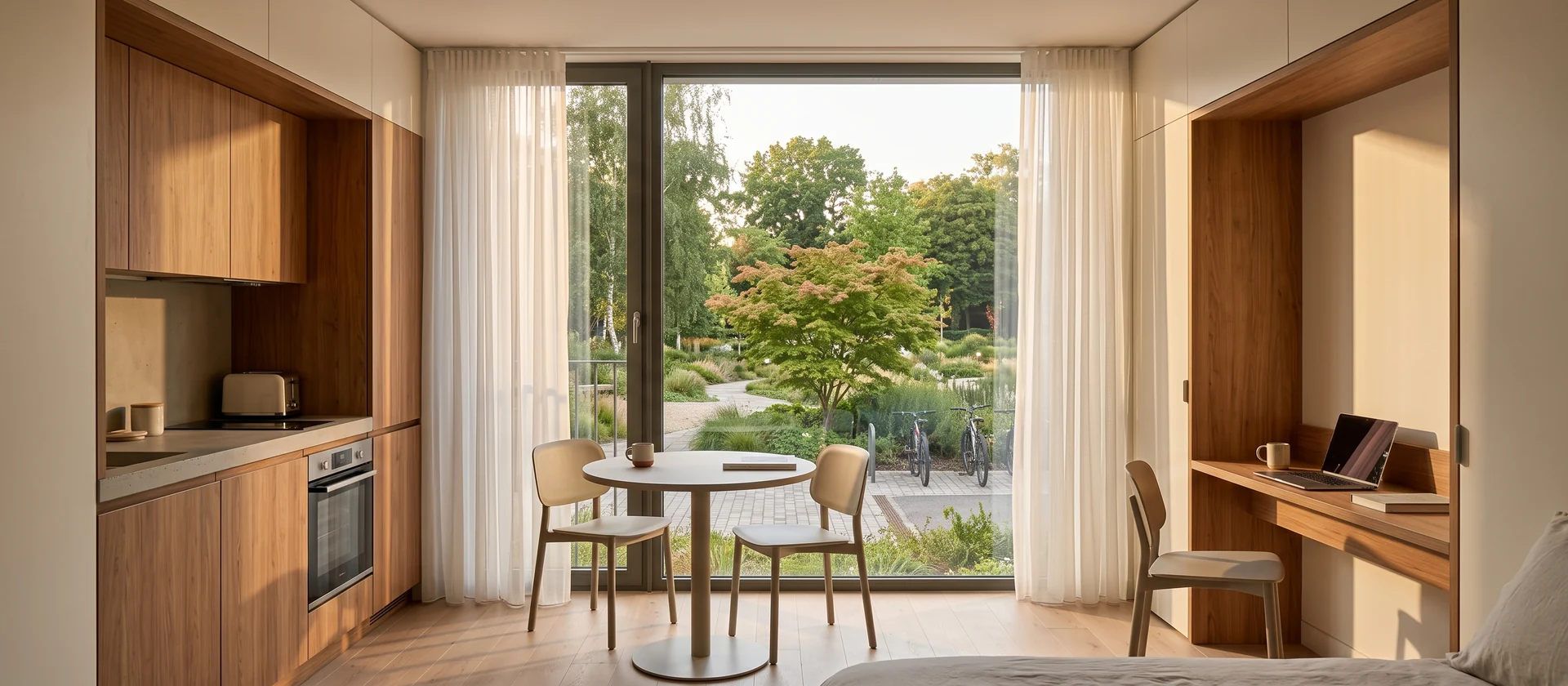
In recent years, the Flexible Accommodation sector in Spain has experienced a notable increase in investment, reflecting a significant change in the preferences of both investors and users.
Growth of investment in Flexible Accommodation
According to recent data from Savills, approximately €1.5 billion was allocated to flexible rental solutions such as flex-living and coliving in 2024. The volume recorded has exceeded €8.3 billion of direct investment in real estate assets, compared to €7,228 million in the same period last year, an increase of 15%, showing a clear trend towards these alternative housing formats.
This growth is even more significant if we consider that, in the previous three years, investments in these formats only accounted for 10% of the total volume, while the multifamily model accounted for 90%.
The current trend shows a rotation of investment towards more flexible options adapted to the changing needs of society.
Drivers of investment
Several factors have contributed to this boom in investment in Flexible Accommodation in Spain:
- Growing demand for flexibility: young professionals and digital nomads alike are looking for housing options that allow them to adapt to more dynamic lifestyles, without the constraints of traditional rental contracts.
- Attractive returns: Short-term rentals tend to offer higher returns compared to traditional rentals, especially in high-demand tourist and urban areas.
- Diversification of the real estate market: Investors are looking to diversify their portfolios, and flexible accommodation offers attractive opportunities in an ever-changing real estate market.
Future perspectives
The outlook for the Flexible Housing sector in Spain is optimistic. Investment is expected to continue to rise, driven by demand for more adaptable housing options and investors' search for higher returns. In addition, the consolidation of models such as coliving and flex living could redefine the residential landscape in Spain's major cities.
Currently, almost all flex living supply is located in Madrid. However, this supply is expected to grow, with increasing activity in cities such as Malaga, the outskirts of Barcelona and Bilbao.
According to Atlas Real Estate data, the number of flex living beds will rise to 26,776 units by 2027, up from 11,885 operational beds in 2024.
In conclusion, the notable increase in investment in flexible accommodation in Spain reflects an adaptation of the market to new social and economic demands. This phenomenon offers opportunities for both investors and users looking for housing alternatives that are more in line with current trends.
In the next edition of the Vitur Summit we will analyse in depth the trends and future of Flexible Accommodation with leading figures from Savills, Colliers and Idealista. If you are a professional in the sector, you can't miss it. Article sources: Savills, Colliers, News BBVA, Idealista, Ejeprime, Atlas.