WHAT ARE THE TYPOLOGIES OF FLEXIBLE HOUSING?

The next edition of the Vitur Summit will bring together the main players in Flexible Accommodation and its different verticals: various modalities that adapt to the needs and motivations of the guest, offering options ranging from short stays to longer residences.
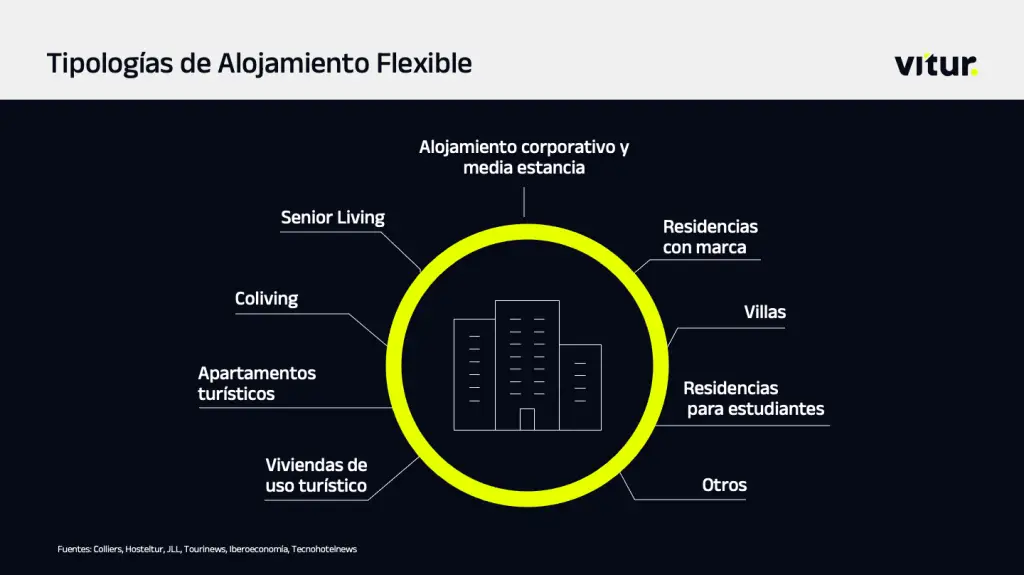
These include:

1. Corporate Accommodation and Half-Stay

This type of accommodation is designed for professionals who require temporary stays due to work projects, training or corporate travel; guests who are looking for longer stays with the comfort of a home and the services of a hotel, such as cleanliness, high-speed internet connection and work spaces. The length of stay usually ranges from a few weeks to several months.

2. Senior Living

This type of accommodation is designed for older people who are looking for a community tailored to their needs. They offer independent or semi-independent housing with services such as medical care, recreational activities and common spaces to encourage social interaction. The goal is to provide a safe and comfortable environment that promotes quality of life for seniors.

3. Coliving

Coliving is an evolution of student residences, aimed at young professionals seeking a communal way of life. It combines private spaces, such as individual rooms, with large common areas that encourage interaction and networking. They often include services such as coworking, laundry and social events. This model responds to the new generation's demand for flexibility and community.

4. Tourist Apartments

These are fully equipped accommodation blocks that are rented for short periods to tourists. They offer the comfort of a home with the flexibility of a temporary/holiday stay. They are classified by categories which vary according to local regulations.

5. Tourist Housing

Isolated accommodation units in flats, bungalows, detached houses and, in general, any housing offered for temporary rental to tourists. They are often managed through online platforms and offer a more authentic experience by allowing visitors to stay in residential neighbourhoods. It is important that they comply with local regulations and are properly registered.

6. Branded residences

These are luxury residential developments operated or backed by a recognised brand, usually from the hotel or luxury sector (such as Marriott, Four Seasons or fashion and design brands). They are aimed at high net worth investors looking for an exclusive property, with the backing of a recognised brand and the ability to monetise it through management programmes, and high-end executives and expatriates looking for an exclusive lifestyle with luxury hotel amenities in strategic locations.

7. Villas

Villas are self-contained, generally luxurious accommodations that offer privacy and ample space. They are ideal for families or groups looking for a more exclusive experience. These properties often feature multiple bedrooms, private gardens, swimming pools and other high-end amenities.

8. Student Residences

Aimed at university or vocational students, these halls of residence provide accommodation during the academic period. They offer single or shared rooms and common areas such as kitchens, study rooms and recreational areas. In addition, services such as laundry facilities, 24-hour security and recreational activities are often included.

Each of these Flexible Accommodation typologies responds to specific needs, offering diverse options for different user profiles, which translates into multiple opportunities for destinations, operators and investors.
The next Vitur events will be held in Madrid el 15 de octubre and in Seville on November 26th, and will once again be the meeting point for operators, investors and companies in the sector to boost their business, establish strategic alliances with the various stakeholders involved and access all the news, trends and opportunities in the sector from leading speakers and companies.

Continue reading

Suite contemporánea de un apartahotel con cocina integrada, zona de estar y luz natural, imagen ilustrativa del modelo de Alojamiento Flexible de gestión digital
Limehome Apunta a 25.000 Unidades Contratadas en 2030 y Tiene Otras 2.500 ya Firmadas para España
El operador alemán gestiona más de 1.000 unidades en España y prevé sumar entre 600 y 1.000 más este año. Su cofundador insiste en que el objetivo no es abrir deprisa sino elegir bien, con edificios ajenos reconvertidos y propietarios institucionales que le ceden la explotación.
Estudio compacto contemporáneo con cama, zona de trabajo y cocina integrada en poco espacio, con luz natural, imagen ilustrativa del formato de Alojamiento Flexible
Europa Mide el «Hotelised Living» por Metro y no por Habitación: 18 Metros Cuadrados Como Punto Dulce del Producto
Inversores y operadores reunidos en Mánchester debatieron cómo se analiza un producto que ya no es hotel ni vivienda. Las estancias medias van de noche y media a cuatro y media, las unidades bajan a 16 metros cuadrados y la rentabilidad se mide por metro, una métrica que el debate español todavía no usa.
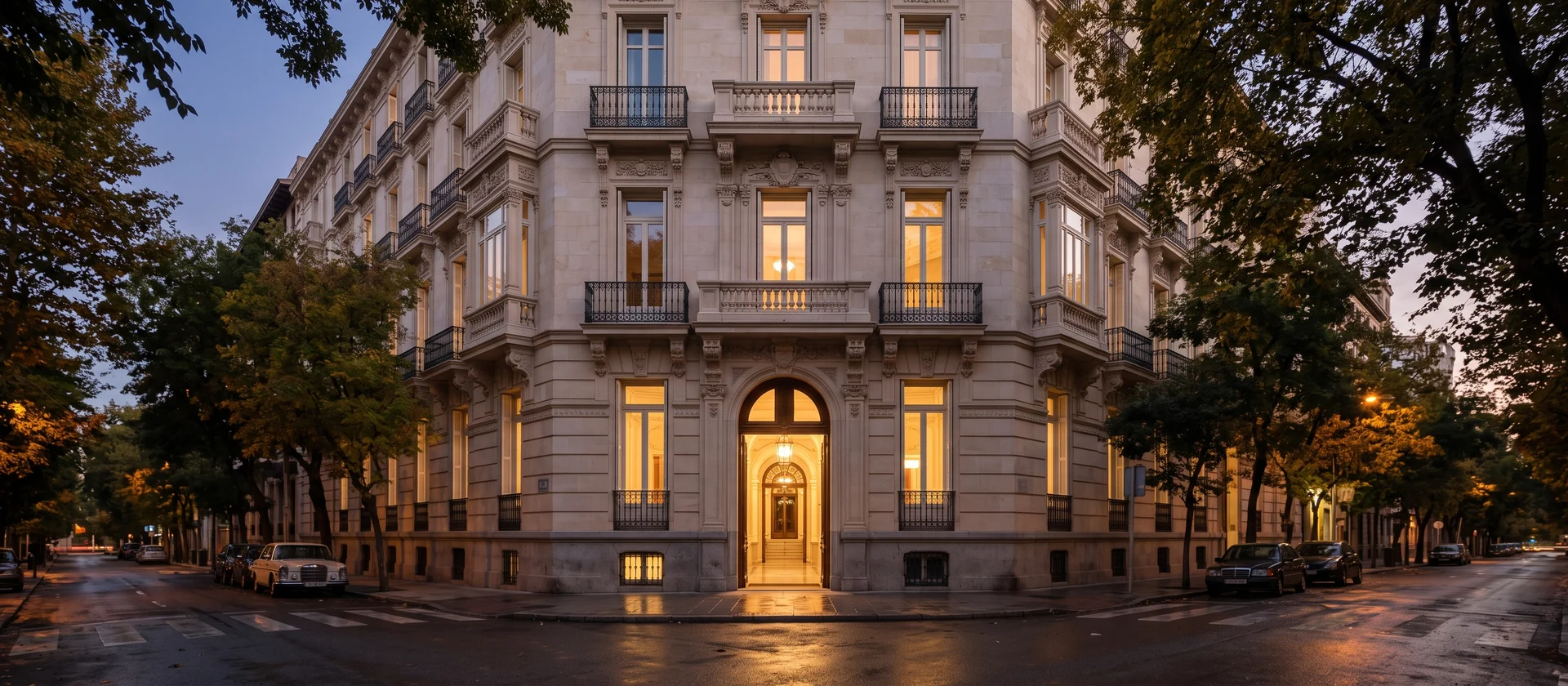
Fachada de un palacio residencial del siglo XIX en el centro de Madrid con balcones de piedra y portal iluminado al atardecer, imagen ilustrativa del proyecto de residencias de marca
Marriott Lleva The Luxury Collection a la Calle Sagasta: 17 Residencias en un Palacio del XIX con Impar Capital
Impar Capital y Marriott transformarán un edificio de más de 10.000 metros cuadrados en Sagasta 31 y 33 en 17 viviendas de marca, de uno a cuatro dormitorios. Es su segundo proyecto conjunto tras el edificio Pakea de San Sebastián y la tercera enseña hotelera global que se instala en el centro de Madrid.
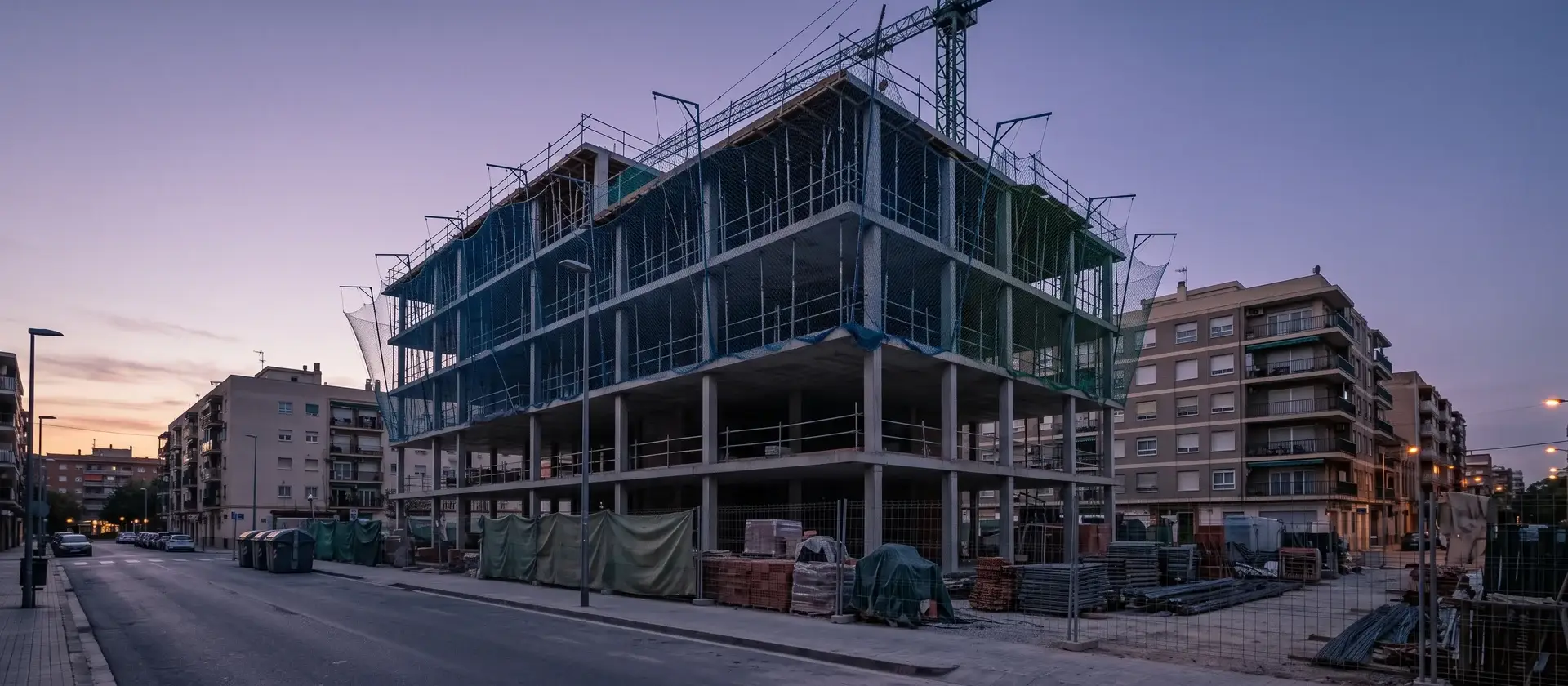
Edificio de alojamiento flexible en construcción con grúa y andamios en una ciudad española al atardecer, imagen ilustrativa del freno de las inversiones
EjePrime Recoge el Aviso Lanzado en Vitur Forum Madrid: los Decretos de Vivienda ya Han Congelado Compraventas y Contratos
Inversores, operadores y gestores reunidos en Madrid admitieron que los reales decretos del Gobierno, dirigidos al residencial tradicional, han parado operaciones y firmas en el Alojamiento Flexible. El sector movilizó 811,7 millones hasta octubre y pide seguridad jurídica para sostener el ritmo.
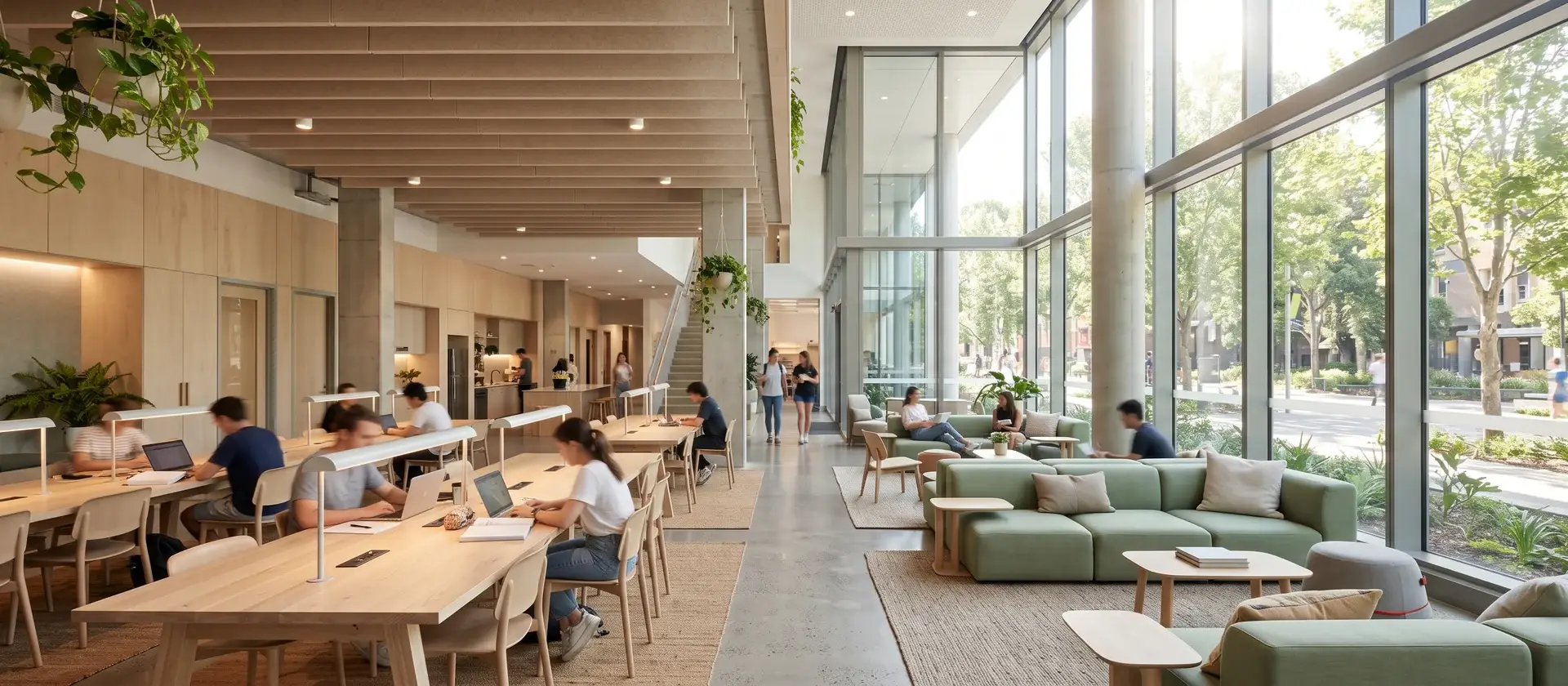
Zona común de una residencia universitaria contemporánea con mesas de estudio y sofás junto a grandes ventanales, imagen ilustrativa del grupo de residencias y Alojamiento Flexible
Nido se Despide y el Grupo Pasa a Llamarse Livensa Group: 12.415 Camas Operativas y Rumbo a 25.000 en 2031
La integración de Nido y Livensa Living culmina con una sola identidad, sede en Madrid y dos marcas: Livensa Living para residencias de estudiantes y Livensa Studios para el Alojamiento Flexible. El grupo opera 12.415 camas en España, Portugal e Italia y mira ya al mercado alemán.
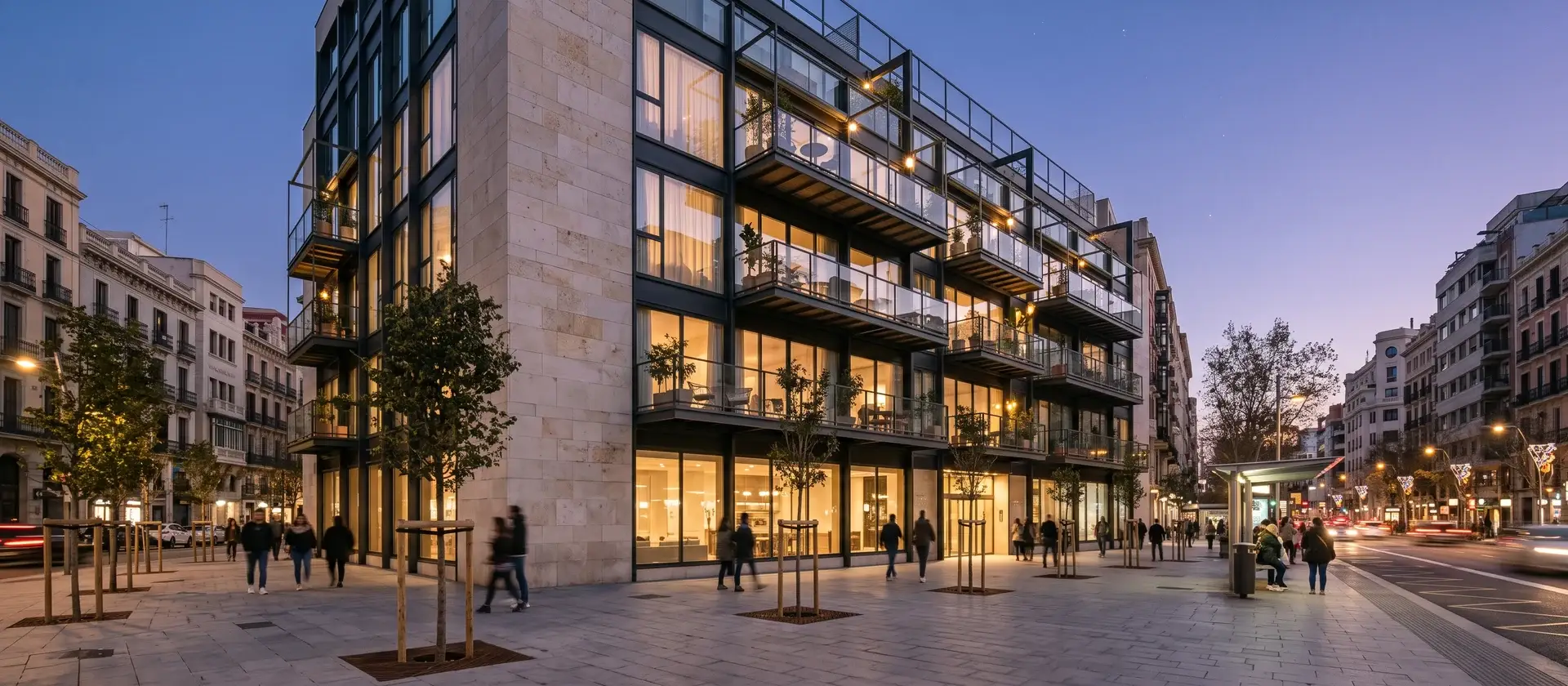
Edificio de oficinas reconvertido en apartamentos con servicios en una gran ciudad española al atardecer, imagen ilustrativa de la inversión en Alojamiento Flexible
Expansión Coloca al Alojamiento Flexible entre los Imanes del Inversor: 812 Millones en lo que va de Año y 4.500 en un Lustro
El diario dedica un análisis al despegue del alojamiento extrahotelero con datos de Savills y recoge la visión de Carlos Pérez-Lanzac, fundador de Vitur, que pide cautela en plena fase expansiva. El parque operativo ronda las 16.500 camas y la previsión es llegar a 40.500 en 2028.