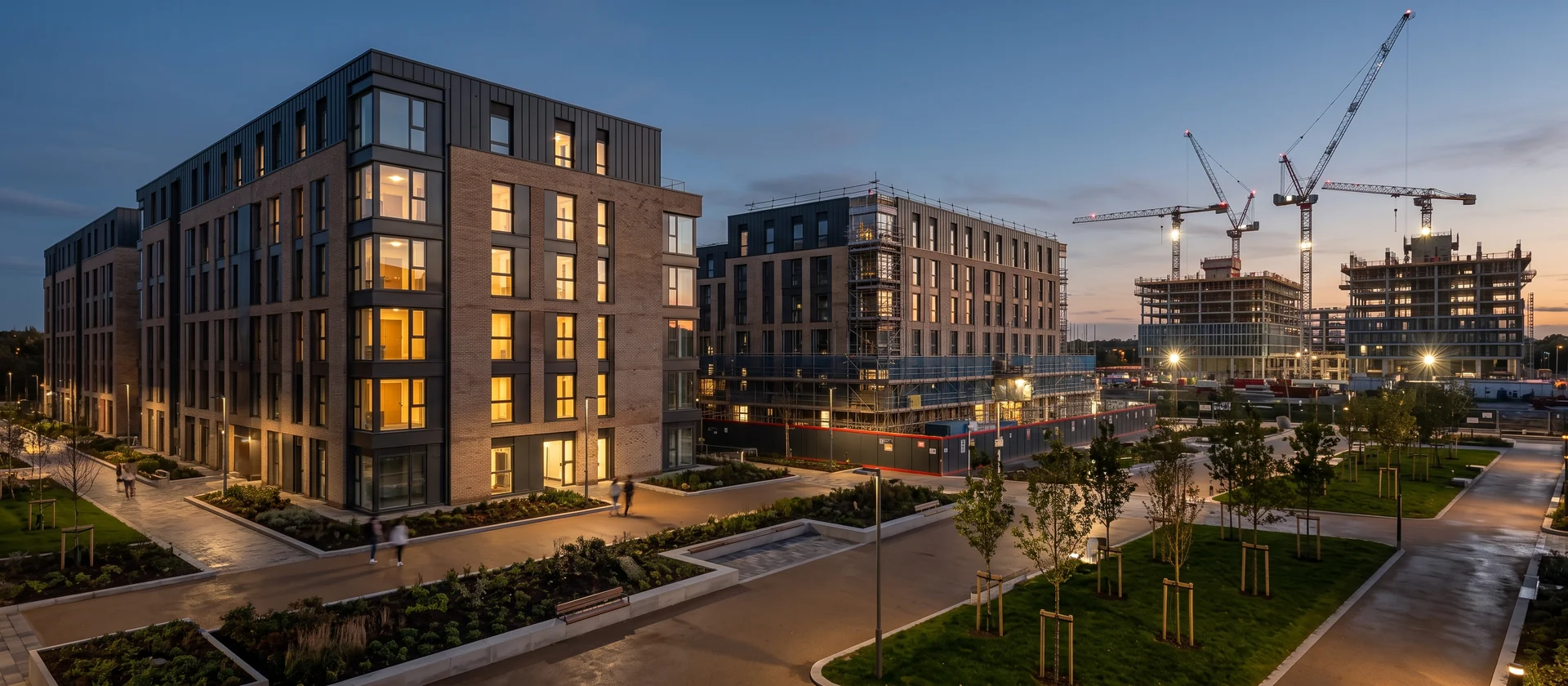
Madrid's Reside Plan: Beyond Constraints, a Tool to Reactivate and Rethink the City

The entry into force of the Madrid Reside Plan has generated an intense debate, largely focused on the new regulations for the Flexible Accommodation. However, a closer reading of the regulation reveals that its scope goes far beyond that, presenting itself as a strategic tool for the reactivation and regeneration of the city.

The real value of the Reside Plan may not lie in what it restricts, but in what it enables. The regulation introduces a number of planning incentives and flexibilities which open the door to the transformation of a building stock that, in many cases, has become obsolete. This includes:

  • Conversion from office to residential: The plan facilitates the conversion of vacant or underutilised office buildings into housing, offering a solution to both the vacancy of tertiary space and the shortage of residential supply.
  • Rehabilitation of private facilities: It opens up the possibility of reconverting unused private facilities in affordable housing and/or coliving. This not only brings new housing supply, but also gives a second life to buildings that might otherwise fall into disrepair.
  • Flexibilisation of uses: The regulations allow for greater flexibility in the combination of uses (residential, commercial, hotel) in certain areas, encouraging the creation of more dynamic neighbourhoods with a greater diversity of services.

This vision of the Reside Plan as a tool for urban regeneration is fundamental. Instead of limiting itself to a «war» against the Flexible Accommodation, The plan provides a framework for rethinking the city, adapting it to new economic and social realities. It is an opportunity to:

  • Increasing the housing stock: Especially in the affordable rental segment, one of the biggest demands in the city.
  • Improving sustainability: Retrofitting existing buildings is a much more sustainable strategy than new construction, reducing carbon footprint and resource consumption.
  • Create a more balanced city: By encouraging a mix of uses and attracting new population to areas that were losing their residential character, the urban and commercial fabric can be revitalised.

The success of the Reside Plan will depend on the ability of all actors - administration, investors, developers and citizens - to seize these opportunities. The debate should not only focus on the restrictions to the Flexible Accommodation, The plan's focus is on how to use the tools it offers to build a more resilient and sustainable Madrid, adapted to the needs of the 21st century.
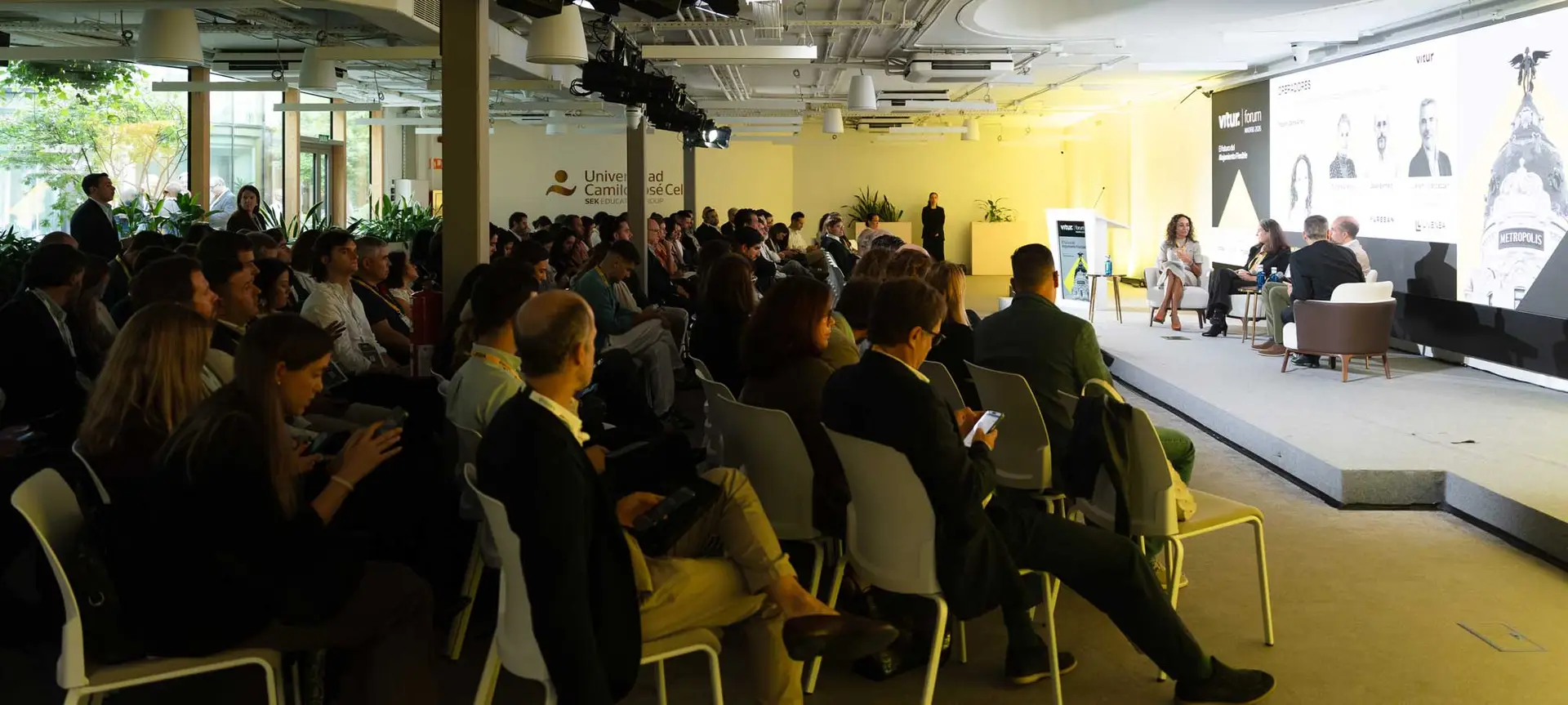
The next edition Vitur Summit 2026 will take place in Malaga on Thursdays 13 and 14 May and will once again be the meeting point for operators, investors and companies in the sector to boost their business, establish strategic alliances with the different agents involved and gain access to all the latest news, trends and opportunities in the sector from leading speakers and companies.

Continue reading

Madrid Redefines Flexible Accommodation: New Tourism Law Recognises it as Official Accommodation and Raises Standards
The Community of Madrid has launched one of the most far-reaching reforms for the Flexible Accommodation sector. The new draft Tourism Law will recognise for the first time the Tourist Use Dwellings (VUT) as a type of official tourist accommodation, establishing a framework that seeks professionalisation, quality and greater legal security.
Portugal Ventures Accelerates Flexible Accommodation Innovation with 1.5 Million Investment in Feel Sampa
Portugal's tourism ecosystem gets a new boost. Portugal Ventures has injected €1.5 million in the startup Feel Sampa, a technology platform designed to revolutionise the management of Flexible Accommodation. This strategic investment aims to consolidate Portugal as an innovation hub in the hospitality industry.
The Short Stay Rental Challenge in 2026: How European Regulation is Filtering the Professional Market
On 5 February 2026, the European Parliament adopted key legislative proposals to tackle the housing crisis on the continent.
Andalusia, Queen of Europe: Flexible Accommodation Conquers the Lead Ahead of the Côte d'Azur
The Andalusian region has been crowned as the most demanded destination in Europe for Flexible Accommodation, surpassing iconic locations such as the Côte d'Azur or Catalonia. With a record 26.6 million overnight stays in 2025, the sector is proving to be a key economic pillar, dominated by small owners and in the midst of adapting to a new regulatory framework.
The Inexhaustible Power of PBSA: Student Residences Consolidate as Spain's Star Flexible Accommodation Asset
Far from being a passing fad, investment in student housing (PBSA) in Spain confirms its long-term appeal. The sector's major operators point to structurally solid demand and a shortage of quality supply as the drivers of a segment that continues to attract institutional capital and defy any signs of drying up.
Welcomer Breaks into the Market: A New Operator is Born to Capitalise on the Seasonal Rental Boom
Flexible Accommodation in Spain welcomes a new specialised player. Welcomer, led by Axel Edric Capriles, is born to focus on the growing niche of seasonal rentals, a segment driven by new work models and increasing restrictions on traditional tourist rentals, seeking to offer high quality solutions for medium-term stays.