The rise of Flex Living: Malaga and Seville, new horizons for Flexible Accommodation

The global real estate market is constantly adapting to new ways of living and working. In this dynamic panorama, a concept has emerged that redefines the housing experience: Flex Living. This innovative proposal is establishing itself as an attractive alternative for various user profiles and, at the same time, as a high-potential investment opportunity.

What exactly is Flex Living? It is not simply a traditional rental or tourist stay. It is a model that combines the privacy of an individual living space with the added value of large communal areas and a range of integrated services. Imagine having your own flat, but with access to a modern gym, a fully equipped coworking space, leisure areas and services such as cleaning or laundry, all within the same complex. In addition, the creation of a community is encouraged, a key aspect for many. This format is designed for medium-term stays, ranging from a few months to a year or more.

This type of Flexible Accommodation responds directly to the needs of a growing segment of the population: digital nomads, young professionals, graduate students, or people who are relocating for work. They are looking for a housing solution that offers flexibility, comfort, amenities and the ability to connect with others, without the strings attached to a long-term lease or the impersonality of a hotel.

While cities such as Madrid and Barcelona have historically been the focus of investment in innovative residential models, investors' eyes are now turning to southern Spain. Malaga and Seville are positioning themselves as two of the favourite cities for Flex Living development.

Why these Andalusian capitals? The answer lies in a combination of strategic factors. Both cities are experiencing remarkable economic growth, driven by the booming technology and service sectors, and by the presence of prestigious universities that attract national and international talent. They offer an exceptional quality of life, an enviable climate and a competitive cost of living compared to the big metropolises. This dynamic generates a growing demand for Flexible Accommodation from a young and mobile population.

For the investor, Flex Living in Malaga and Seville presents a double attraction. On the one hand, property acquisition costs are generally more affordable than in more established markets, which can translate into higher yields. On the other hand, the specific supply of this type of Flexible Accommodation is still in its infancy, which creates a significant window of opportunity to satisfy a latent and growing demand. The professionalised management of these assets by specialised operators ensures the efficiency and profitability of the model.
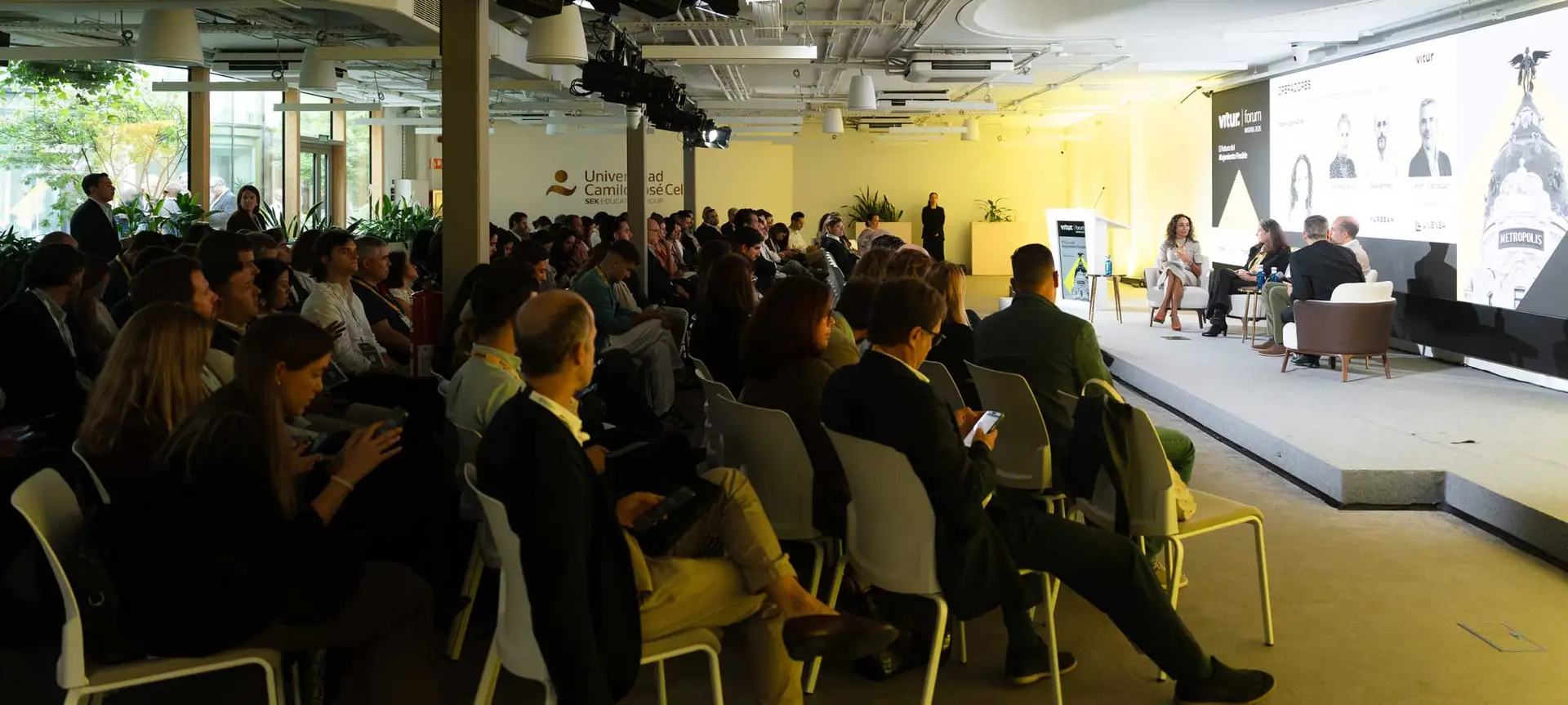
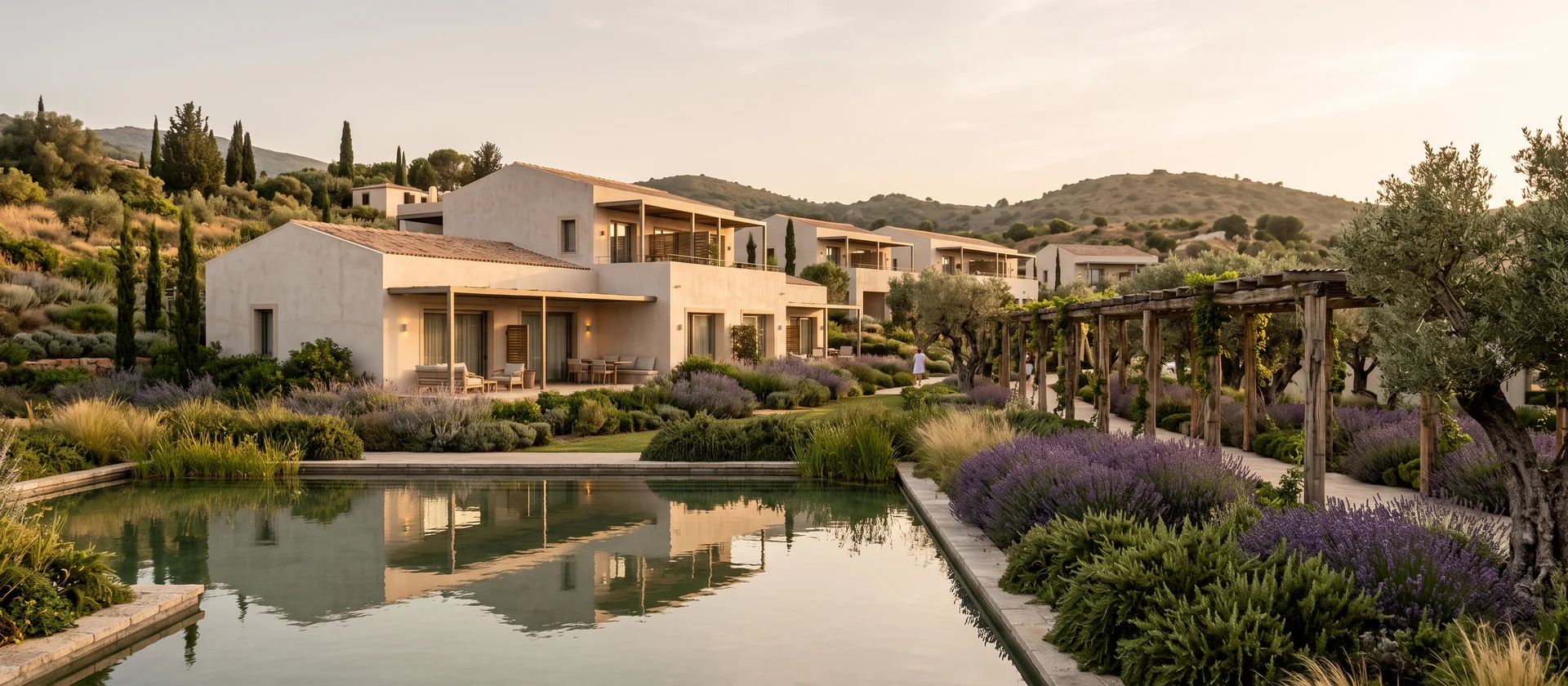
El próximo evento de Vitur se celebrará en Seville on November 26thOnce again, it will be the meeting point for operators, investors and companies in the sector to boost their business, establish strategic alliances with the different agents involved and gain access to all the latest news, trends and opportunities in the sector from leading speakers and companies.

Continue reading

Vitur Forum Madrid analiza las claves del alojamiento flexible: inversión, rentabilidad, tecnología y regulación
Complejo residencial de baja altura entre jardines mediterráneos con zonas comunes al aire libre, imagen ilustrativa del formato de Senior Living en la Costa del Sol
Eurofund Traslada su Manual de Centros Comerciales al Senior Living: Dos Suelos en la Costa del Sol y Tres Años de Trámites
La gestora que dirige Ion Saralegui, con 1.900 millones bajo gestión y los centros comerciales como negocio principal, prepara sus primeros resorts para mayores en Málaga con la marca Luana. Su tesis es que operar un coliving o un centro comercial exige lo mismo: gente que quiera quedarse.
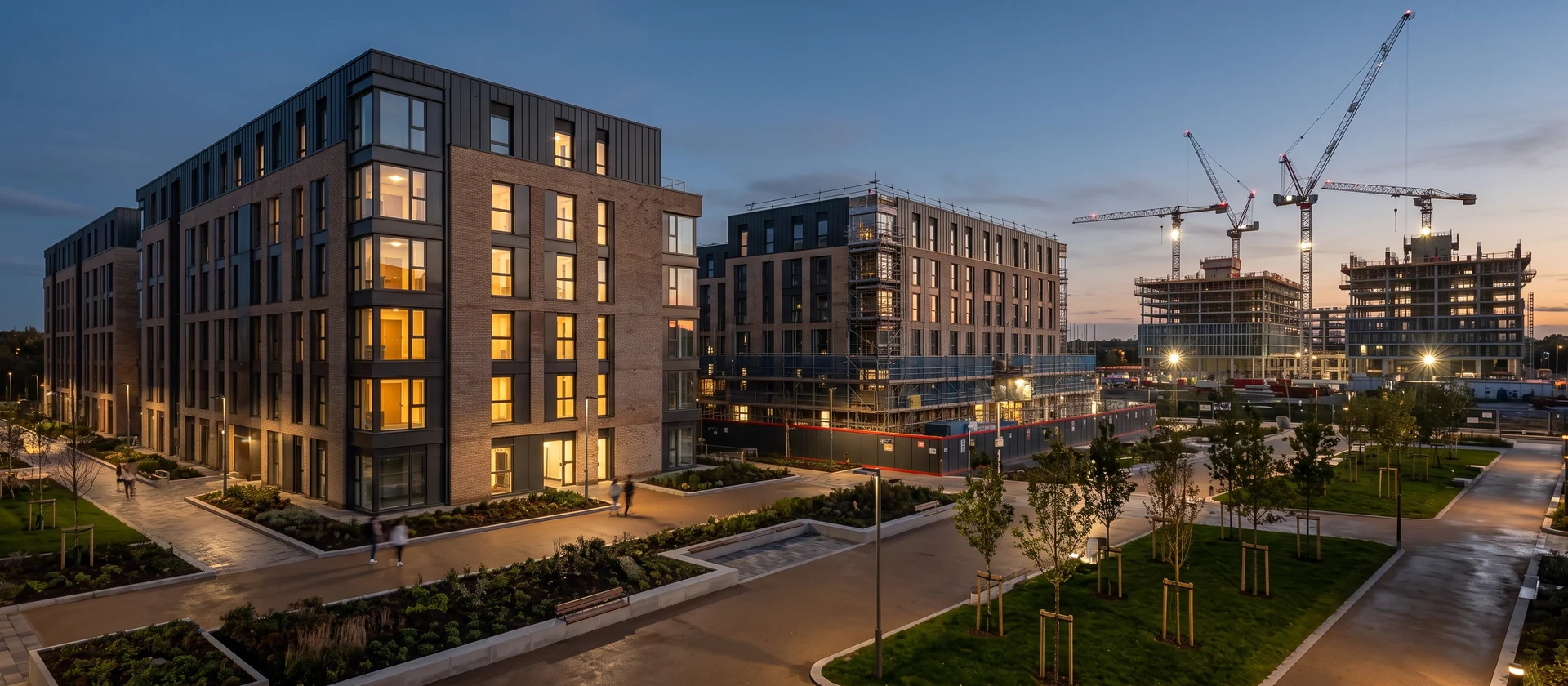
Campus urbano de edificios contemporáneos con una residencia de estudiantes en primer término y oficinas en construcción al fondo, imagen ilustrativa
Metrovacesa Entrega sus Primeras 585 Camas de Estudiante en Oria y Avanza al 75% las 519 Unidades Flexibles
La promotora cotizada ha entregado en septiembre un edificio de 585 habitaciones para estudiantes en su campus madrileño y avanza el de 519 unidades de Alojamiento Flexible. Suma además 360 unidades de coliving en Sevilla y Valencia, mientras sus ingresos crecen un 75% hasta 465 millones.
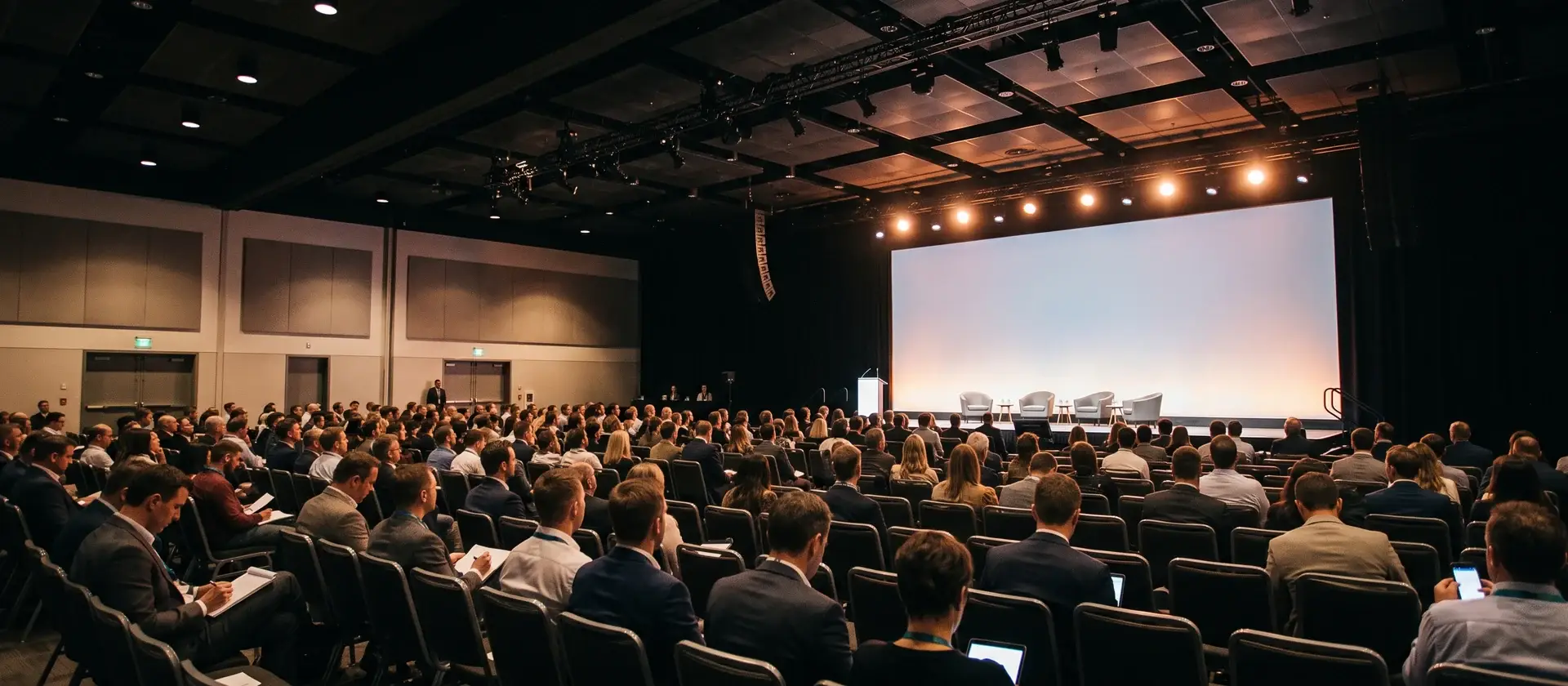
Sala de un encuentro profesional del sector inmobiliario con sillas ocupadas y un escenario iluminado al fondo, imagen ilustrativa de Vitur Forum Madrid
El Alojamiento Flexible ya Ha Captado 677 Millones, Más que en Todo el Año Pasado, y el 85% se Queda en Madrid
Los datos que Savills presentó en Vitur Forum Madrid sitúan la inversión de media estancia en 677 millones, por encima de los 648 de todo el año pasado. Los activos ya estabilizados pasan del 7% del volumen en 2024 al 36% este año, y la tasación aprieta la financiación real.
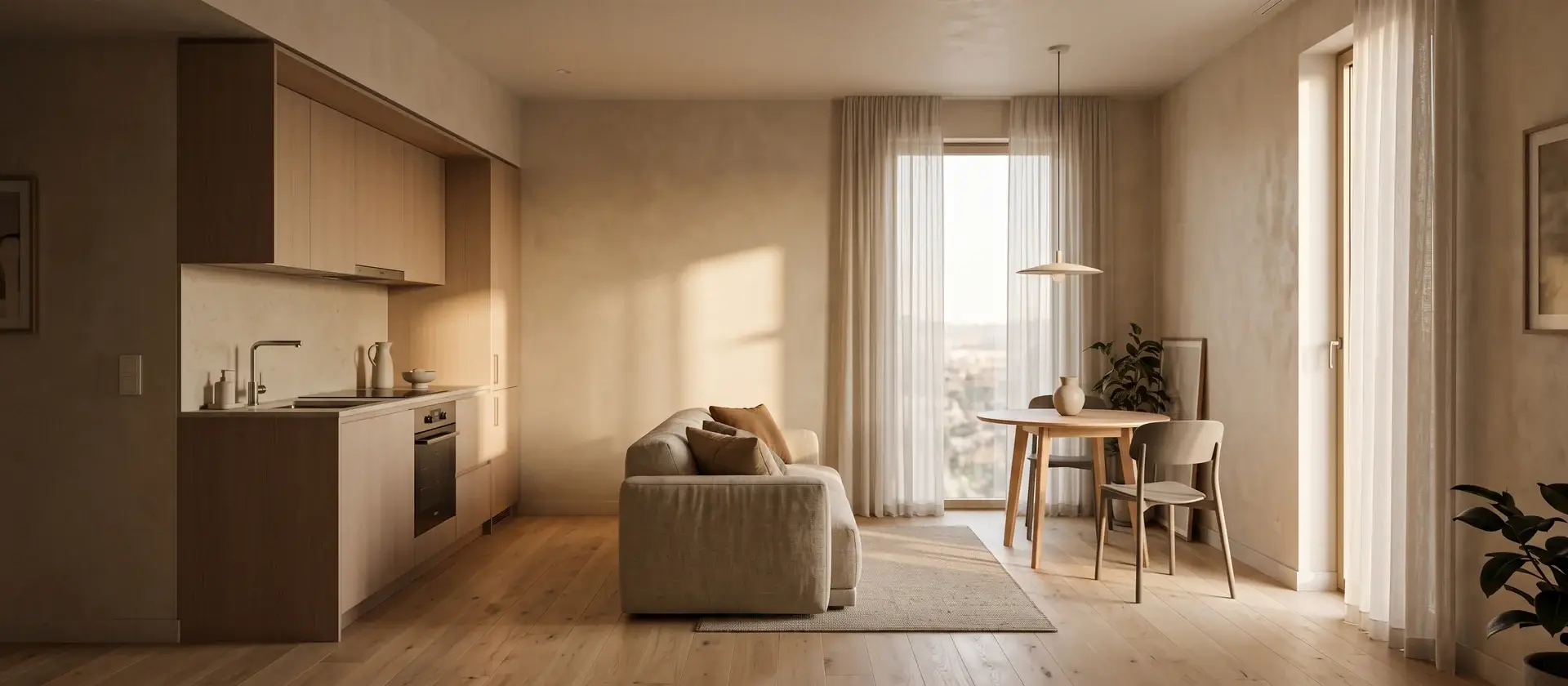
Suite contemporánea de un apartahotel con cocina integrada, zona de estar y luz natural, imagen ilustrativa del modelo de Alojamiento Flexible de gestión digital
Limehome Apunta a 25.000 Unidades Contratadas en 2030 y Tiene Otras 2.500 ya Firmadas para España
El operador alemán gestiona más de 1.000 unidades en España y prevé sumar entre 600 y 1.000 más este año. Su cofundador insiste en que el objetivo no es abrir deprisa sino elegir bien, con edificios ajenos reconvertidos y propietarios institucionales que le ceden la explotación.
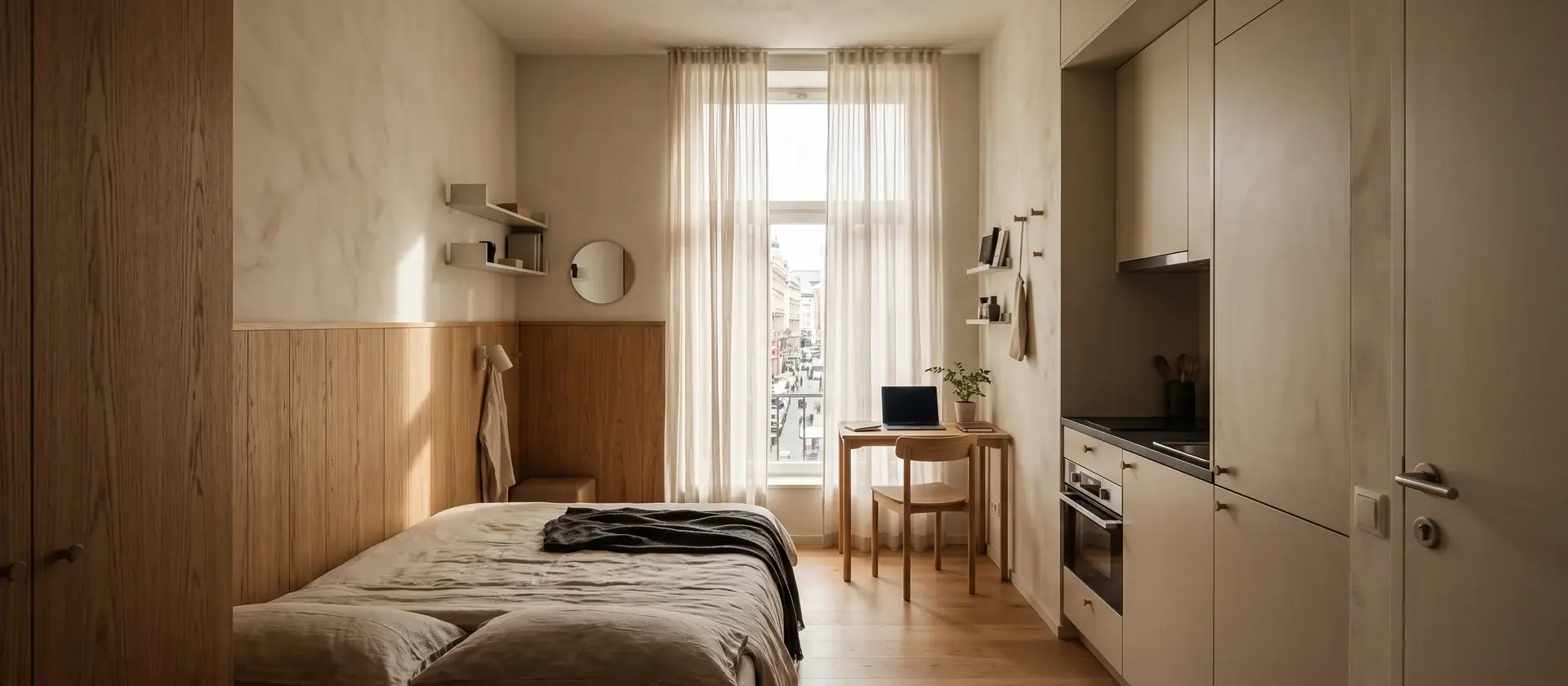
Estudio compacto contemporáneo con cama, zona de trabajo y cocina integrada en poco espacio, con luz natural, imagen ilustrativa del formato de Alojamiento Flexible
Europa Mide el «Hotelised Living» por Metro y no por Habitación: 18 Metros Cuadrados Como Punto Dulce del Producto
Inversores y operadores reunidos en Mánchester debatieron cómo se analiza un producto que ya no es hotel ni vivienda. Las estancias medias van de noche y media a cuatro y media, las unidades bajan a 16 metros cuadrados y la rentabilidad se mide por metro, una métrica que el debate español todavía no usa.