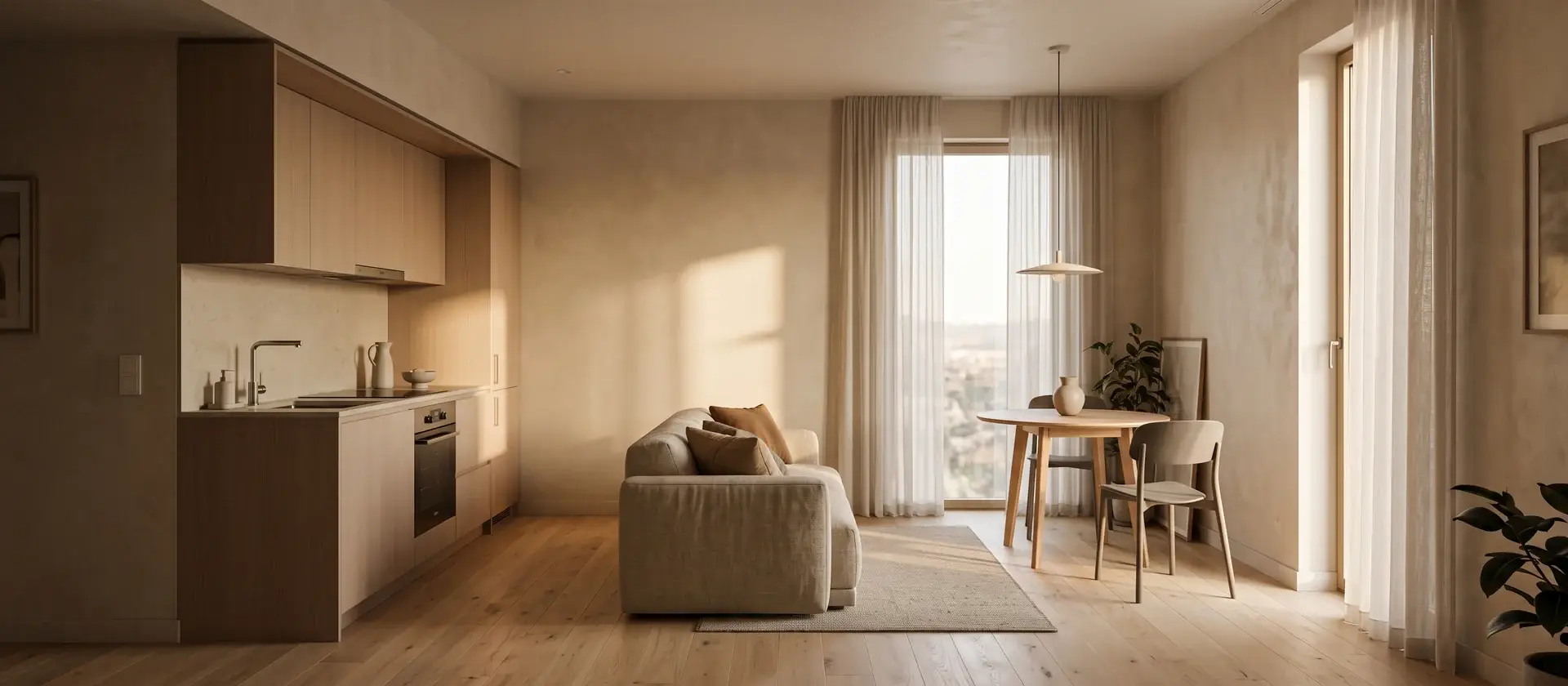
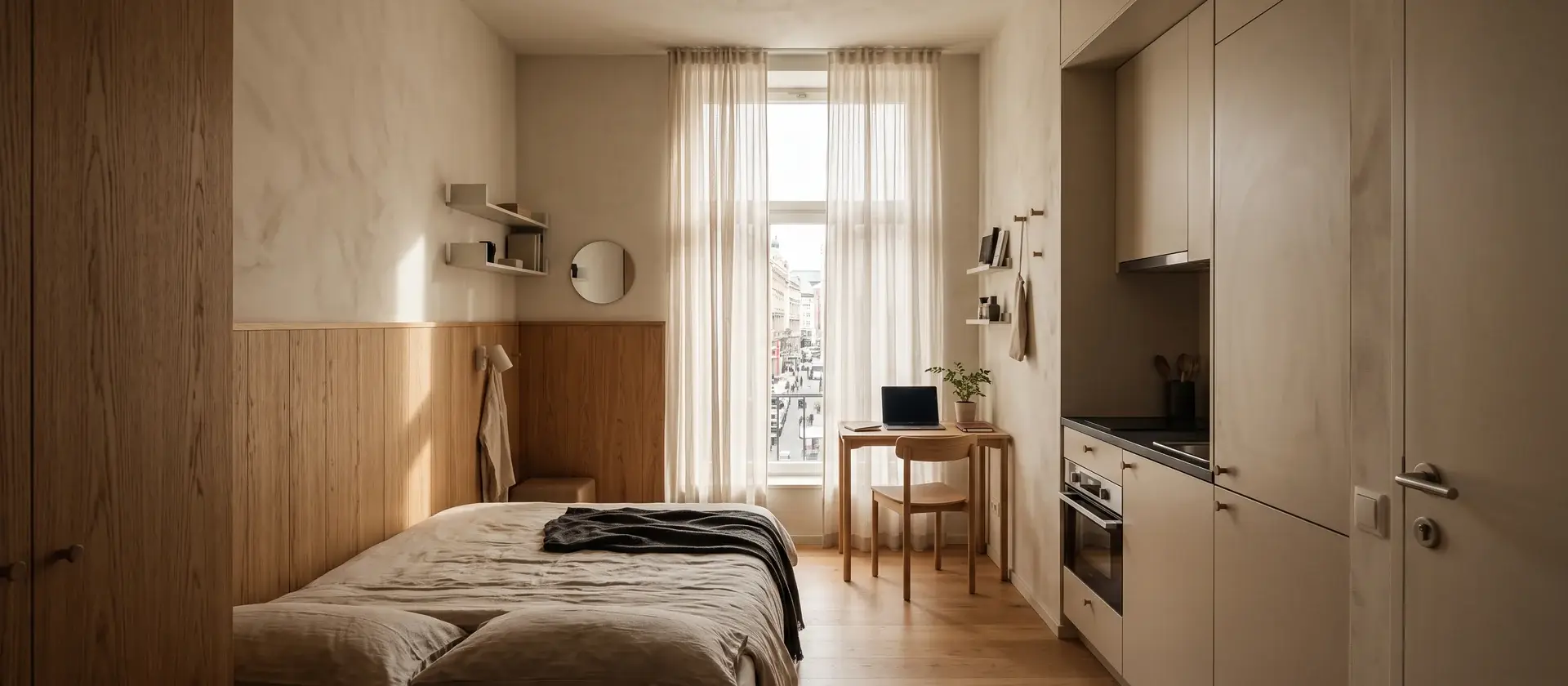
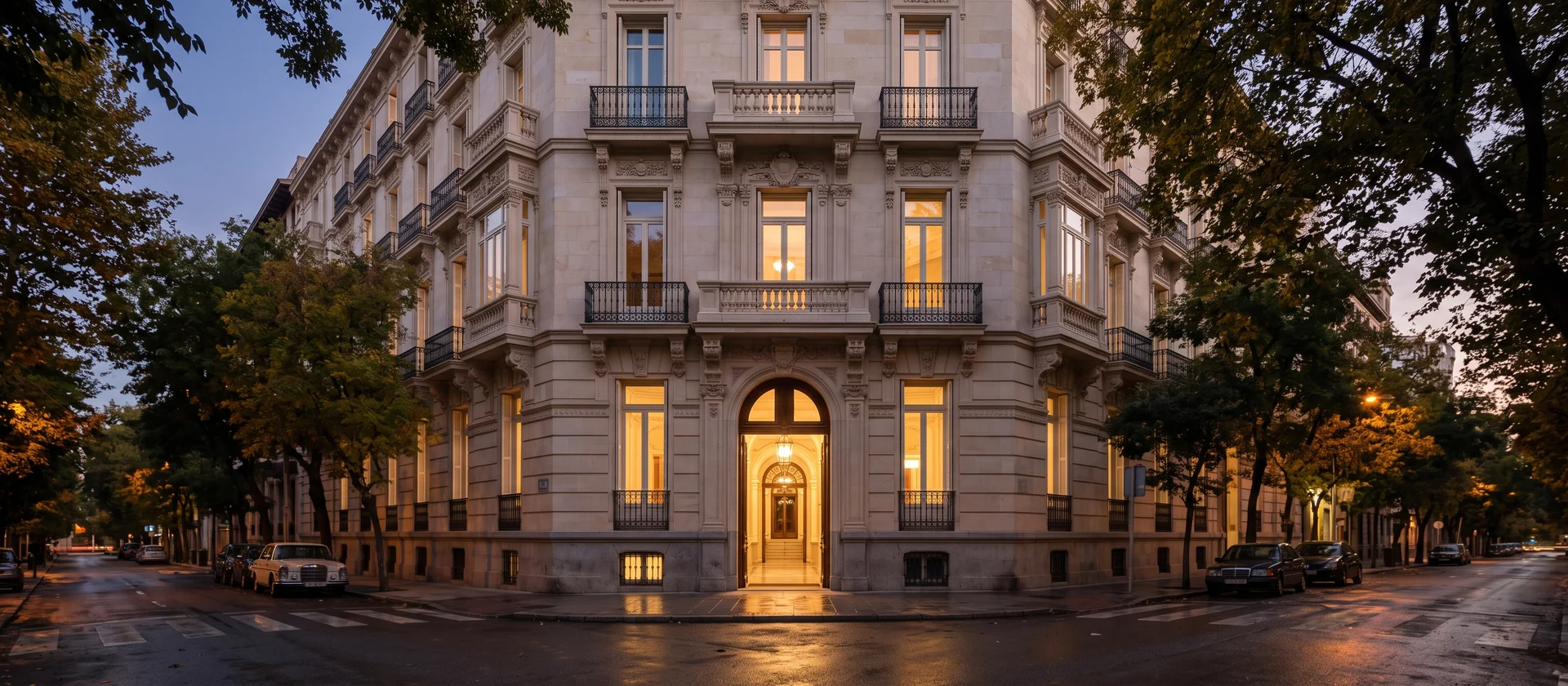
The next edition of the Vitur Summit will bring together the main players in Flexible Accommodation and its different verticals: various modalities that adapt to the needs and motivations of the guest, offering options ranging from short stays to longer residences.
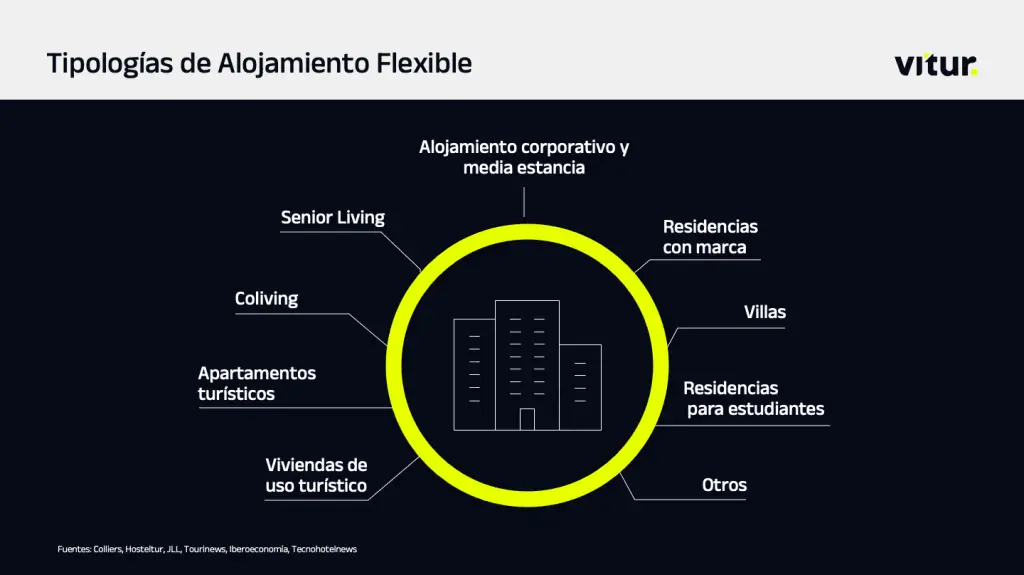
These include:
1. Corporate Accommodation and Half-Stay
This type of accommodation is designed for professionals who require temporary stays due to work projects, training or corporate travel; guests who are looking for longer stays with the comfort of a home and the services of a hotel, such as cleanliness, high-speed internet connection and work spaces. The length of stay usually ranges from a few weeks to several months.
2. Senior Living
This type of accommodation is designed for older people who are looking for a community tailored to their needs. They offer independent or semi-independent housing with services such as medical care, recreational activities and common spaces to encourage social interaction. The goal is to provide a safe and comfortable environment that promotes quality of life for seniors.
3. Coliving
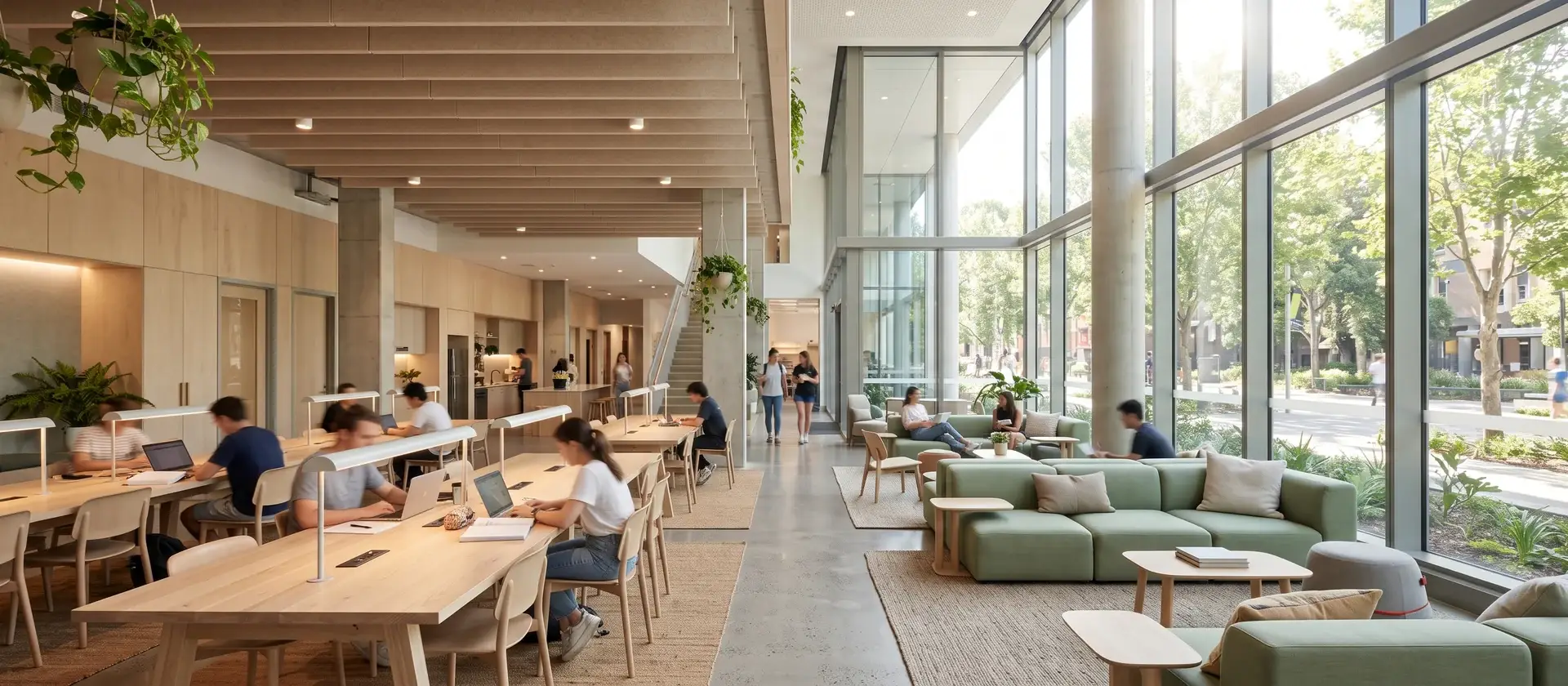
Coliving is an evolution of student residences, aimed at young professionals seeking a communal way of life. It combines private spaces, such as individual rooms, with large common areas that encourage interaction and networking. They often include services such as coworking, laundry and social events. This model responds to the new generation's demand for flexibility and community.
4. Tourist Apartments
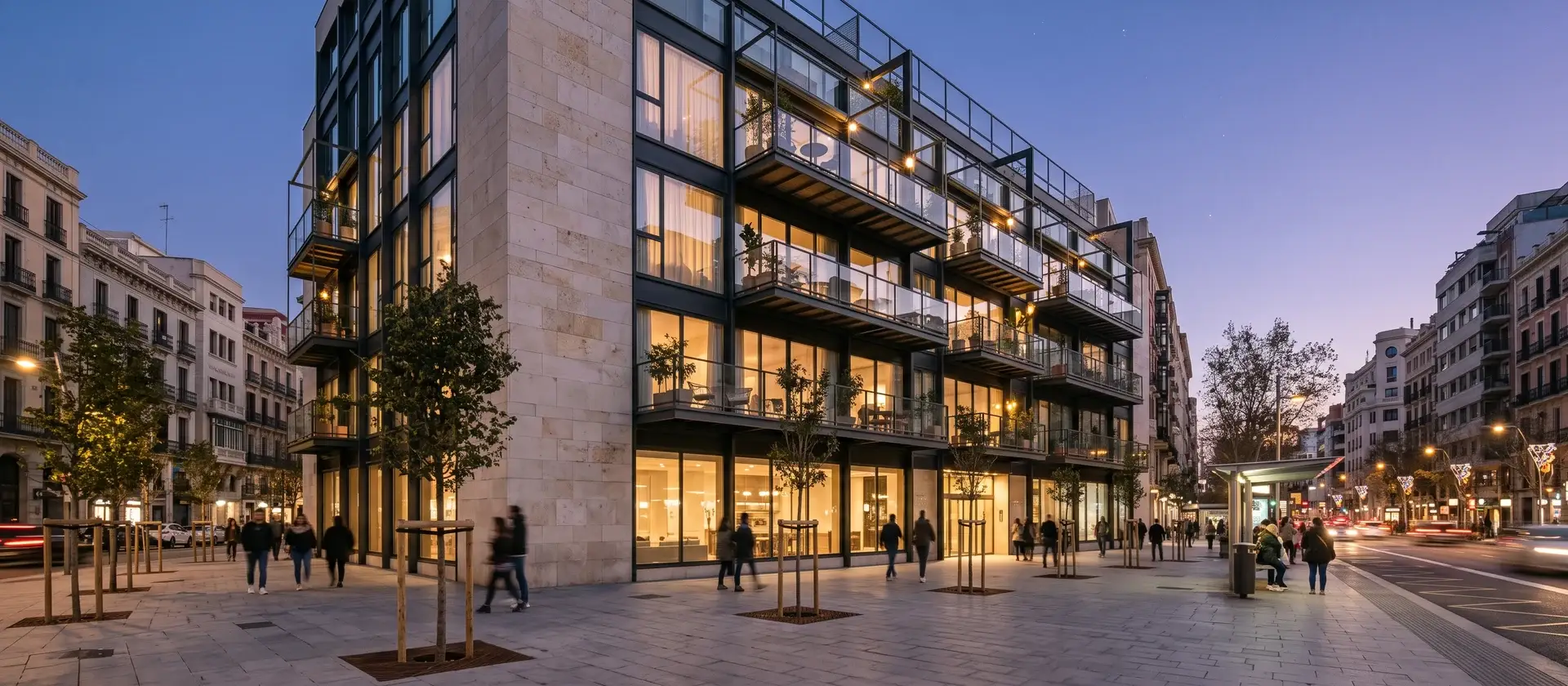
These are fully equipped accommodation blocks that are rented for short periods to tourists. They offer the comfort of a home with the flexibility of a temporary/holiday stay. They are classified by categories which vary according to local regulations.
5. Tourist Housing
Isolated accommodation units in flats, bungalows, detached houses and, in general, any housing offered for temporary rental to tourists. They are often managed through online platforms and offer a more authentic experience by allowing visitors to stay in residential neighbourhoods. It is important that they comply with local regulations and are properly registered.
6. Branded residences
These are luxury residential developments operated or backed by a recognised brand, usually from the hotel or luxury sector (such as Marriott, Four Seasons or fashion and design brands). They are aimed at high net worth investors looking for an exclusive property, with the backing of a recognised brand and the ability to monetise it through management programmes, and high-end executives and expatriates looking for an exclusive lifestyle with luxury hotel amenities in strategic locations.
7. Villas
Villas are self-contained, generally luxurious accommodations that offer privacy and ample space. They are ideal for families or groups looking for a more exclusive experience. These properties often feature multiple bedrooms, private gardens, swimming pools and other high-end amenities.
8. Student Residences
Aimed at university or vocational students, these halls of residence provide accommodation during the academic period. They offer single or shared rooms and common areas such as kitchens, study rooms and recreational areas. In addition, services such as laundry facilities, 24-hour security and recreational activities are often included.
Each of these Flexible Accommodation typologies responds to specific needs, offering diverse options for different user profiles, which translates into multiple opportunities for destinations, operators and investors.