Madrid Redraws its Urban Future: New Land Law Commits to Simplification and Flexible Accommodation

The Community of Madrid has put on the table one of its most ambitious legislative reforms of recent years: the preliminary draft of the Land and Spatial Planning Law. This initiative, currently in the public consultation phase, aims to be the catalyst for a transformation in the way urban development is conceived and implemented in the region.

The main objective of this new law is the simplification and unification. Current legislation is a complex patchwork of laws and regulations accumulated over the decades, which often results in slow procedures, excessive bureaucracy and uncertainty for investors, developers and citizens. The draft bill proposes to consolidate all this legislation into a single, clearer and more coherent text, with the intention of reducing delays and speeding up the processing of projects.

The legal certainty is another pillar of this reform. By creating a more stable and predictable regulatory framework, the Region of Madrid seeks to strengthen its attractiveness as an investment destination, ensuring that the rules of the game are clear for all players in the real estate market.

However, this law does not only look at administrative efficiency, but also integrates a vision for the future. One of the most innovative aspects is its ability to adapt to new residential realities. The text recognises the need for more flexible planning, accommodating housing models that go beyond the traditional one. This includes a greater openness to typologies of Flexible Accommodationas the colivingThe new housing solutions, such as student residences or serviced flats, respond to the changing needs of a more mobile and diverse society.

The sustainability is another cross-cutting theme of the proposal. The new law seeks to align urban development with the principles of environmental protection, adaptation to climate change and a more rational use of resources. Special emphasis is placed on the urban regenerationprioritising the rehabilitation and improvement of existing urban fabrics over uncontrolled sprawl, in order to create a more resilient and liveable city.

This preliminary draft represents a strategic commitment to a more agile, secure and adapted urban planning for the 21st century. It is an attempt to lay the foundations for the Community of Madrid to face the challenges of the future, from the need for housing to environmental sustainability, with a legal framework that seeks to be a catalyst for development in the coming decades.
El próximo evento de Vitur se celebrará en Seville on November 26thOnce again, it will be the meeting point for operators, investors and companies in the sector to boost their business, establish strategic alliances with the different agents involved and gain access to all the latest news, trends and opportunities in the sector from leading speakers and companies.

Continue reading

Vitur Forum Madrid analiza las claves del alojamiento flexible: inversión, rentabilidad, tecnología y regulación
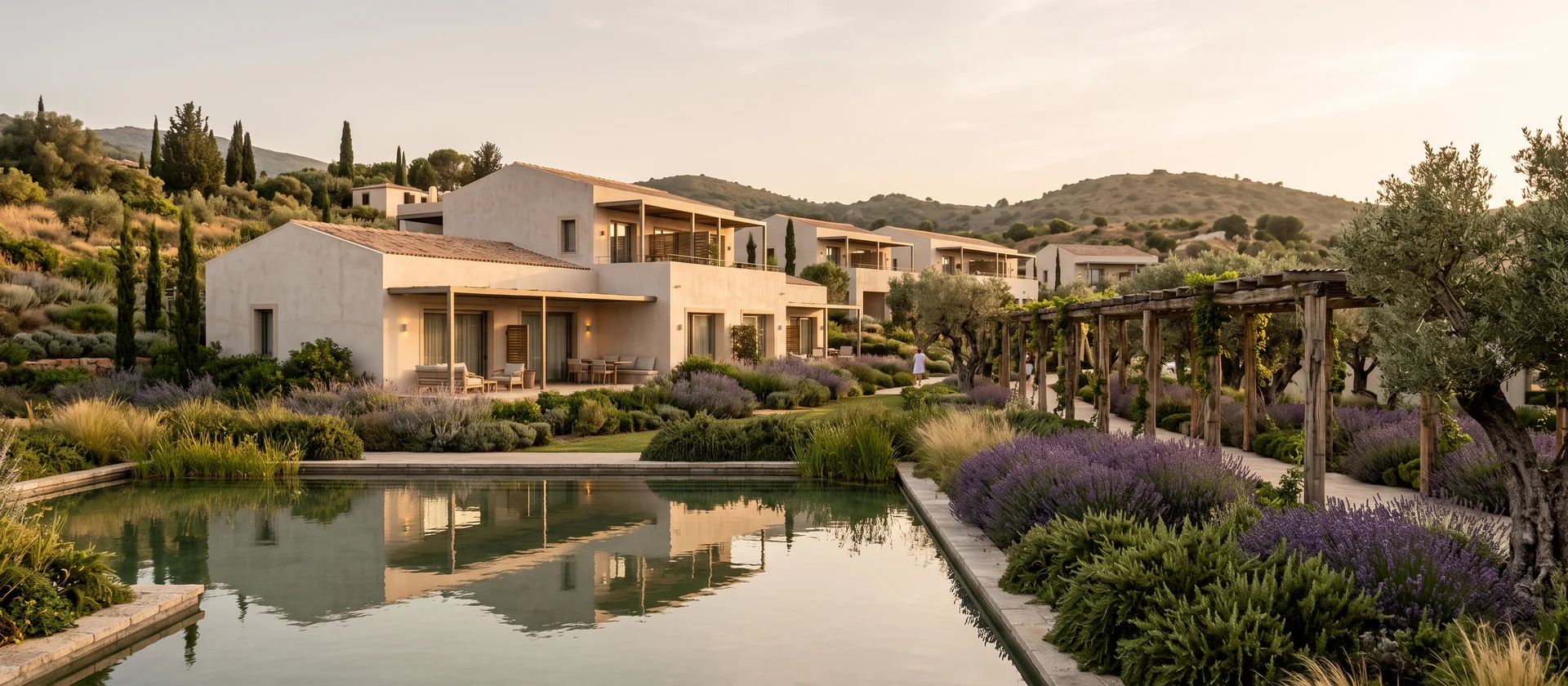
Complejo residencial de baja altura entre jardines mediterráneos con zonas comunes al aire libre, imagen ilustrativa del formato de Senior Living en la Costa del Sol
Eurofund Traslada su Manual de Centros Comerciales al Senior Living: Dos Suelos en la Costa del Sol y Tres Años de Trámites
La gestora que dirige Ion Saralegui, con 1.900 millones bajo gestión y los centros comerciales como negocio principal, prepara sus primeros resorts para mayores en Málaga con la marca Luana. Su tesis es que operar un coliving o un centro comercial exige lo mismo: gente que quiera quedarse.
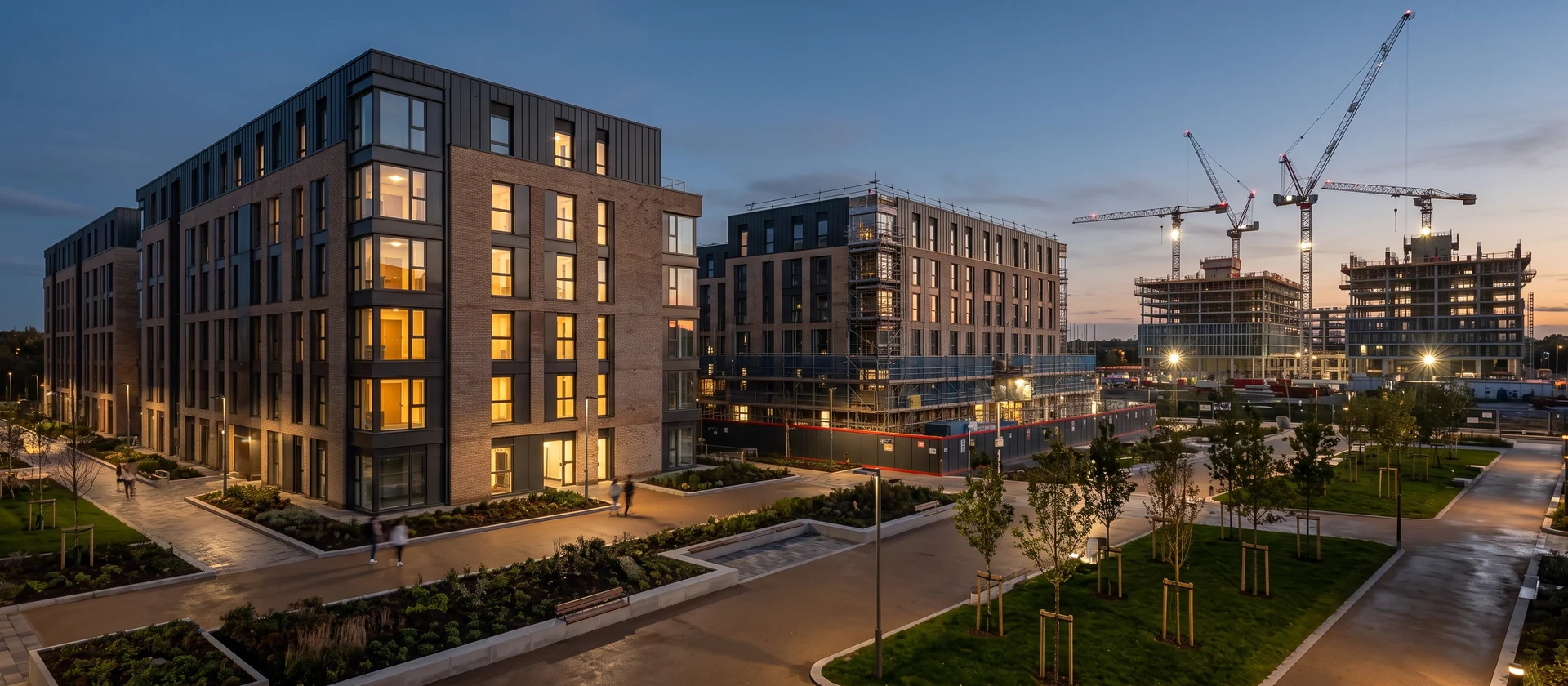
Campus urbano de edificios contemporáneos con una residencia de estudiantes en primer término y oficinas en construcción al fondo, imagen ilustrativa
Metrovacesa Entrega sus Primeras 585 Camas de Estudiante en Oria y Avanza al 75% las 519 Unidades Flexibles
La promotora cotizada ha entregado en septiembre un edificio de 585 habitaciones para estudiantes en su campus madrileño y avanza el de 519 unidades de Alojamiento Flexible. Suma además 360 unidades de coliving en Sevilla y Valencia, mientras sus ingresos crecen un 75% hasta 465 millones.
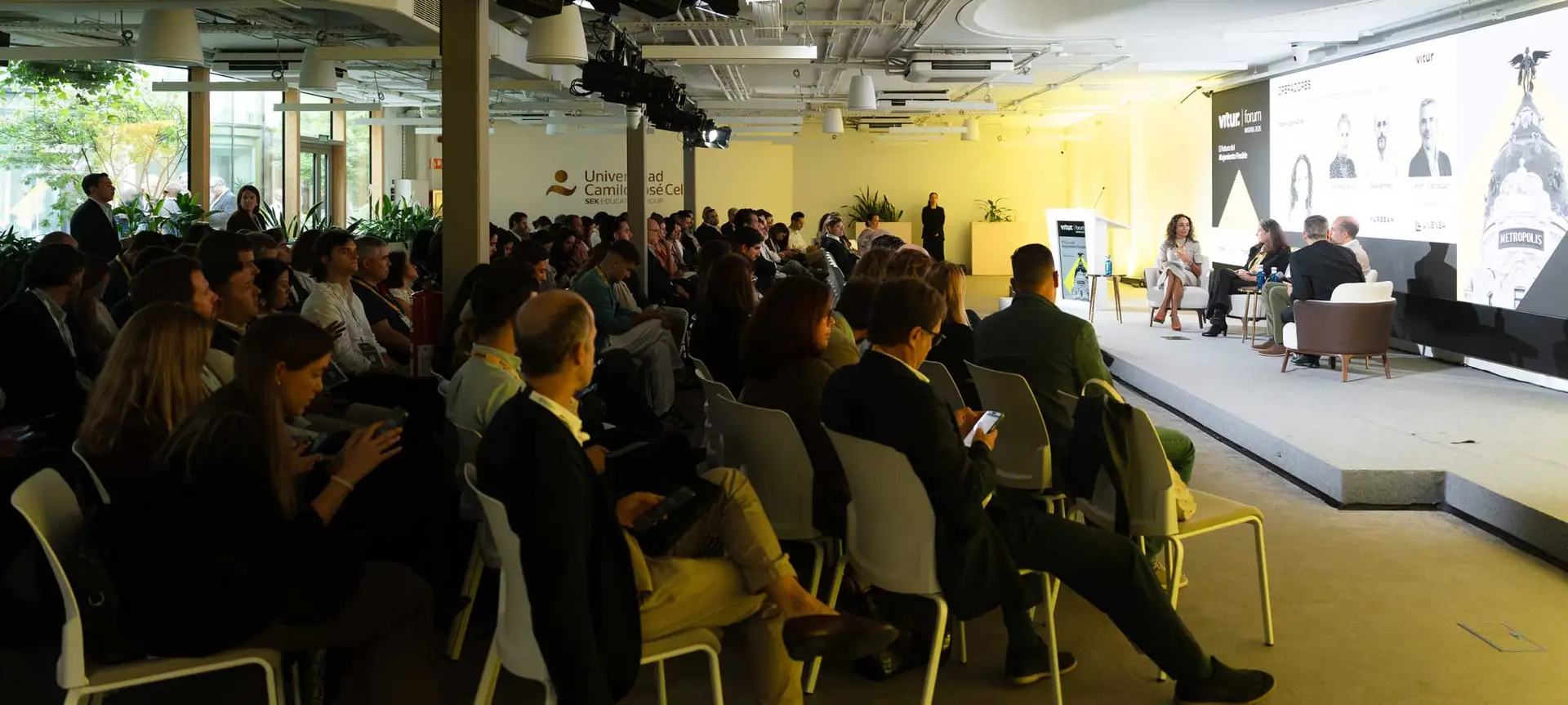
Sala de un encuentro profesional del sector inmobiliario con sillas ocupadas y un escenario iluminado al fondo, imagen ilustrativa de Vitur Forum Madrid
El Alojamiento Flexible ya Ha Captado 677 Millones, Más que en Todo el Año Pasado, y el 85% se Queda en Madrid
Los datos que Savills presentó en Vitur Forum Madrid sitúan la inversión de media estancia en 677 millones, por encima de los 648 de todo el año pasado. Los activos ya estabilizados pasan del 7% del volumen en 2024 al 36% este año, y la tasación aprieta la financiación real.
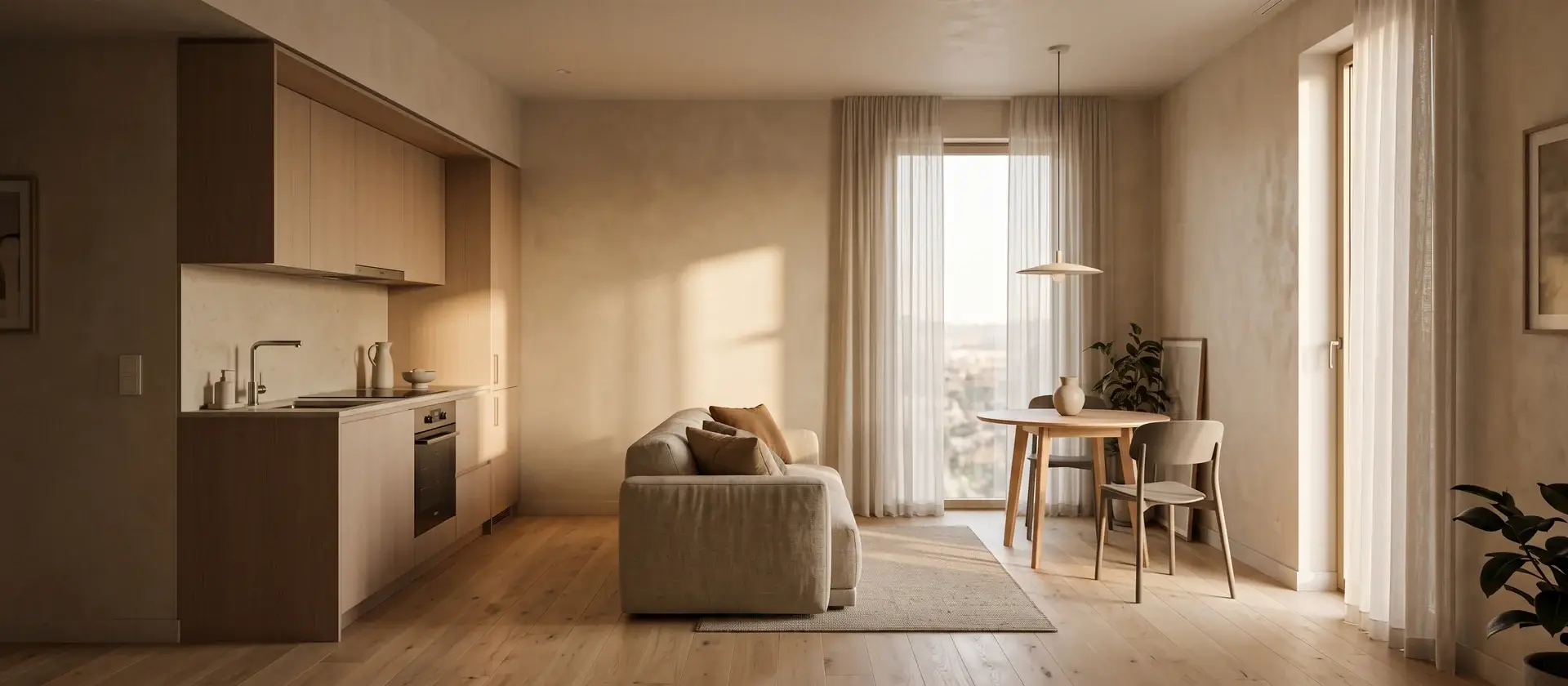
Suite contemporánea de un apartahotel con cocina integrada, zona de estar y luz natural, imagen ilustrativa del modelo de Alojamiento Flexible de gestión digital
Limehome Apunta a 25.000 Unidades Contratadas en 2030 y Tiene Otras 2.500 ya Firmadas para España
El operador alemán gestiona más de 1.000 unidades en España y prevé sumar entre 600 y 1.000 más este año. Su cofundador insiste en que el objetivo no es abrir deprisa sino elegir bien, con edificios ajenos reconvertidos y propietarios institucionales que le ceden la explotación.
Estudio compacto contemporáneo con cama, zona de trabajo y cocina integrada en poco espacio, con luz natural, imagen ilustrativa del formato de Alojamiento Flexible
Europa Mide el «Hotelised Living» por Metro y no por Habitación: 18 Metros Cuadrados Como Punto Dulce del Producto
Inversores y operadores reunidos en Mánchester debatieron cómo se analiza un producto que ya no es hotel ni vivienda. Las estancias medias van de noche y media a cuatro y media, las unidades bajan a 16 metros cuadrados y la rentabilidad se mide por metro, una métrica que el debate español todavía no usa.