The Luxury Multiplier Effect: How Branded Residences Boost the Value of Mixed-Use Projects

In the sophisticated world of real estate development, the branded residences have gone from being a mere luxury add-on to become the secret ingredient that maximises the value of mixed-use projects. This form of Flexible Accommodation and residential development, which fuses private ownership with the services and prestige of a high-end brand, acts as a powerful value driver, generating benefits that extend to all components of the development.

The magic of the branded residences lies in the "halo effect" they project. When a renowned luxury brand, be it a hotel or not, puts its stamp on a project, it takes on an aura of exclusivity, quality and trust. This prestige not only attracts buyers with high purchasing power, but also raises the status of the entire complex, benefiting the hotel component, the retail and its constituent offices.

From a financial perspective, the inclusion of branded residences is a masterstroke. The revenues generated by the sale of these residences at a price of premium are crucial to the viability of the project. This initial capital flow can help to financing the construction of the other componentsThe brand confidence also accelerates the pace of pre-development, ensuring greater financial stability from the earliest stages. The confidence that the brand brings also accelerates the pace of pre-sales, ensuring greater financial stability from the earliest stages.

But the value is not only financial. The branded residences create a vibrant and high quality ecosystem. Residents, with their spending power and lifestyle, become natural customers for the resort's upscale shops, fine dining restaurants and other amenities, generating sustained demand. At the same time, the hotel component benefits from the association with the brand, attracting guests seeking the same level of service and exclusivity.

This symbiosis creates a destination in itself, a place to live, work, shop and socialise, all under an umbrella of luxury and impeccable service. It is a model that responds to the new demands of a more integrated and experiential urbanism. The Flexible Accommodation high-end, in its version of branded residenceis the catalyst that transforms a simple collection of buildings into a cohesive luxury destination with a value that transcends the sum of its parts.

The next Vitur events will be held in Madrid el 15 de octubre and in Seville on November 26th, and will once again be the meeting point for operators, investors and companies in the sector to boost their business, establish strategic alliances with the various stakeholders involved and access all the news, trends and opportunities in the sector from leading speakers and companies.

Continue reading

Edificio residencial contemporáneo de media altura en una avenida urbana arbolada de una ciudad mediterránea, ilustrativo de una residencia de estudiantes
Livensa Suma 400 Camas de Estudiante en Barcelona: la Misma Ciudad Recorta Licencias de Alquiler de Corta Duración
Livensa Living ha abierto su cuarta residencia en Barcelona, con 400 camas en la Avinguda del Paral·lel, coincidiendo con el arranque del curso. La apertura llega en la misma ciudad que lleva dos años estrechando el cerco sobre el piso turístico: la misma actividad de alojar, dos categorías de licencia y dos destinos opuestos.
Bloques de viviendas de una gran ciudad europea al atardecer, con fachadas de distintas épocas, imagen ilustrativa del debate sobre el acceso a la vivienda
Bruselas No Prohíbe, Habilita: el Borrador que Daría Cobertura Legal a las Ciudades para Limitar la Vivienda no Habitual
Un borrador de la Affordable Housing Act al que han tenido acceso Euractiv y Reuters permitiría a las ciudades limitar el uso de vivienda residencial para fines distintos de la residencia principal. Contempla topes cuantitativos y cláusulas de derecho adquirido para los operadores ya establecidos, y exige demostrar tres años de perjuicio antes de aplicar cualquier restricción.
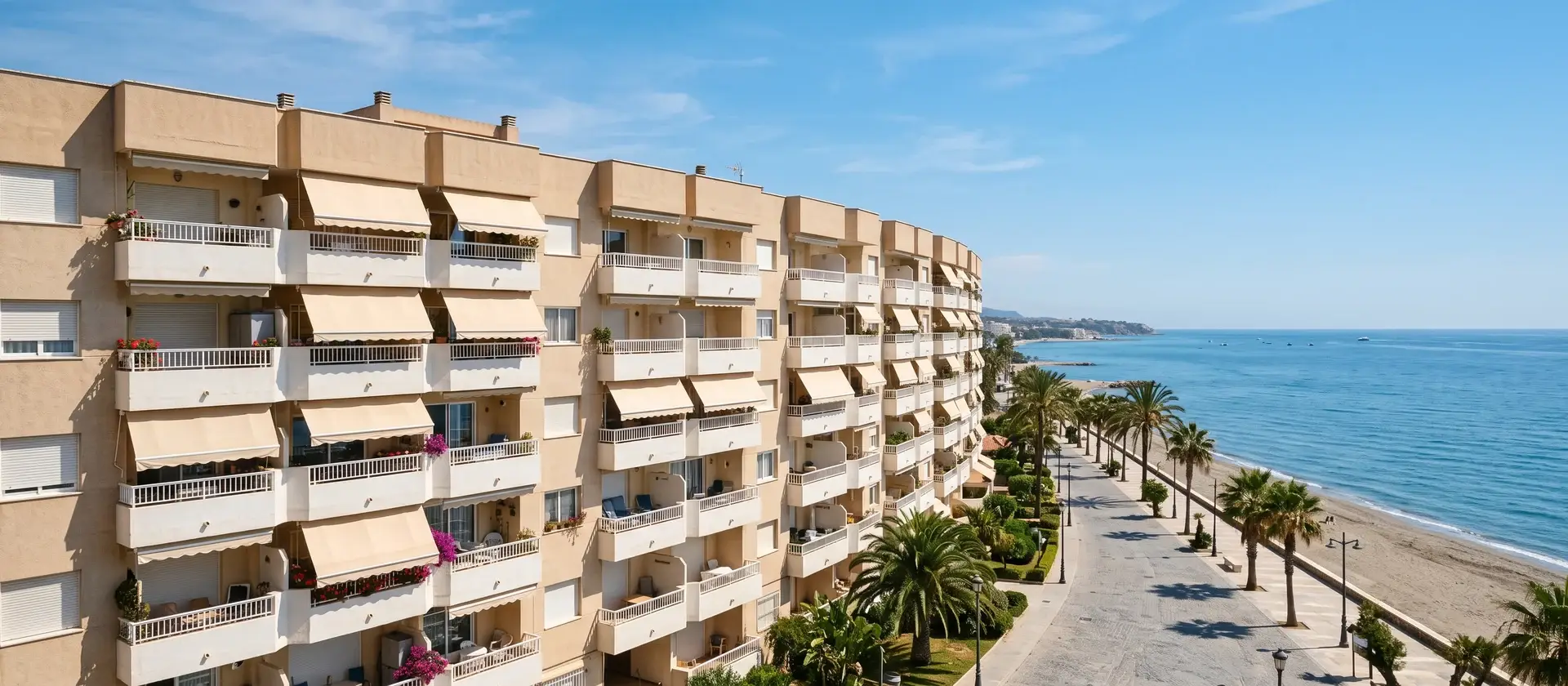
Fachada de un bloque de apartamentos frente al mar en la costa mediterránea española, con balcones y toldos, en un día de verano
Los Apartamentos Turísticos Repiten Julio con un 6,2% más de Precio y Estancias un 7,3% más Cortas
Las pernoctaciones en apartamentos turísticos no se movieron ni un punto en julio respecto al año pasado, según el INE. Lo que sí cambió fue todo lo demás: los precios subieron un 6,2%, la estancia media cayó un 7,3% hasta 4,8 noches y el cliente español ganó peso mientras el extranjero lo perdía.
Palacio histórico italiano rehabilitado junto a un lago al atardecer, ilustrativo de la rehabilitación patrimonial que exigen las residencias de marca en Italia
Marriott y Accor Empujan las Branded Residences en Italia, el País que se Quedó Atrás de España y Portugal
El desarrollo de residencias de marca en Italia ha ido por detrás del español y el portugués pese a tener los ingredientes a favor. Eso está cambiando: Marriott acaba de anunciar su primer proyecto residencial en el país y Accor ve recorrido en varias regiones. Savills calcula que el sector global pasará de unos 910 complejos terminados a cerca de 1.747 en 2032.
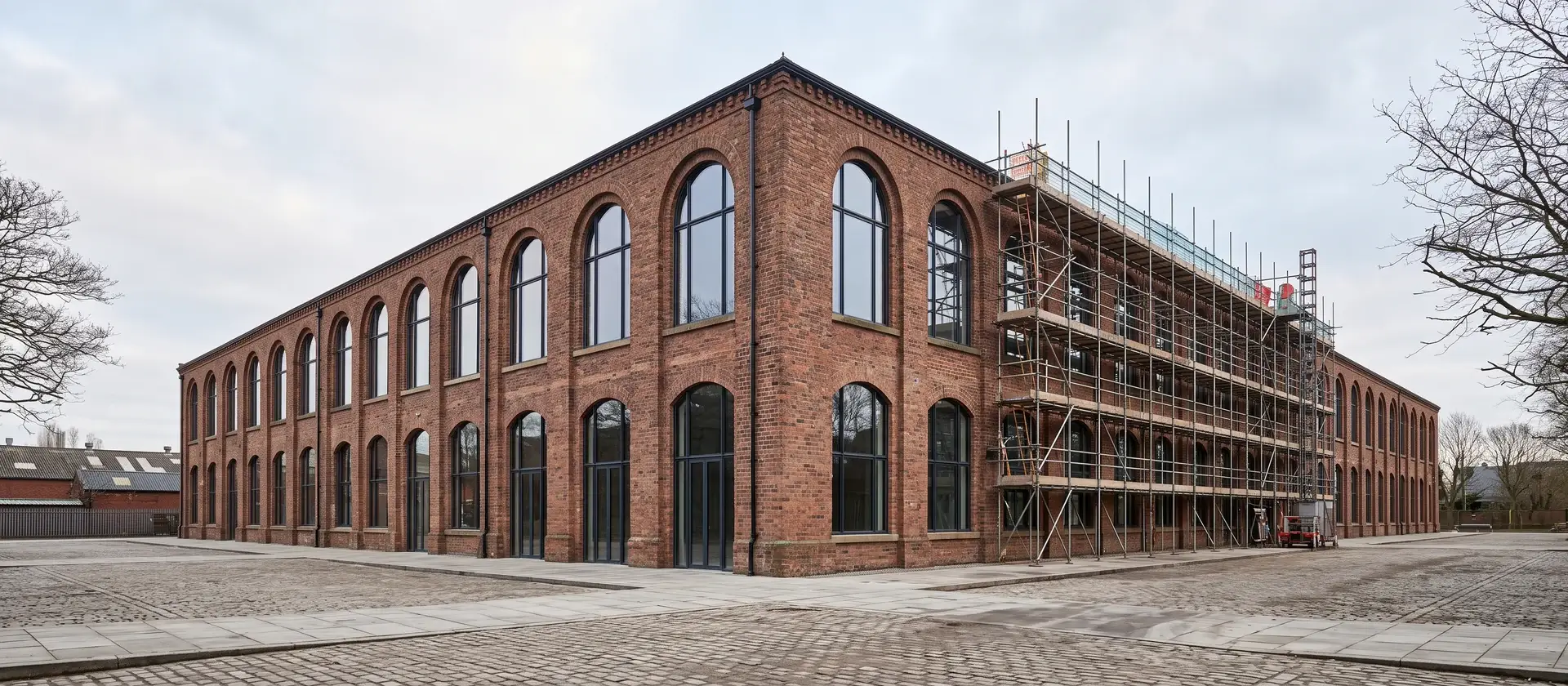
Antigua nave industrial de ladrillo en proceso de rehabilitación, con andamios y carpinterías nuevas instaladas en los grandes huecos originales
Una Fábrica de Cerveza, Unas Oficinas Vacías y una Farmacia del XIX: el Verano en que el Sector Dejó de Construir
Los cuatro proyectos de Alojamiento Flexible más comentados del verano tienen algo en común: ninguno se levanta sobre suelo residencial. Salen de una fábrica de cerveza en Sevilla, de unas oficinas agotadas en el barrio de Salamanca, de un edificio del XIX en Malasaña y de unas oficinas en Florencia. No es una moda estética, es la consecuencia directa de la regulación.
Fachada acristalada de un edificio de oficinas del distrito financiero al anochecer, con reflejos del cielo, ilustrativa de la financiación institucional del sector
El Dinero del Verano Enseña Dónde Está la Frontera: los Bancos Financian Edificios que ya Funcionan, no Formatos
Entre junio y agosto se anunciaron un fondo de 257 millones, una fusión con 250 bajo gestión, una financiación de 180 y la entrada de una aseguradora en el capital de una gestora. Puestas en fila, esas operaciones dibujan una línea muy clara: la deuda bancaria aparece cuando hay un activo estabilizado detrás, y solo entonces.