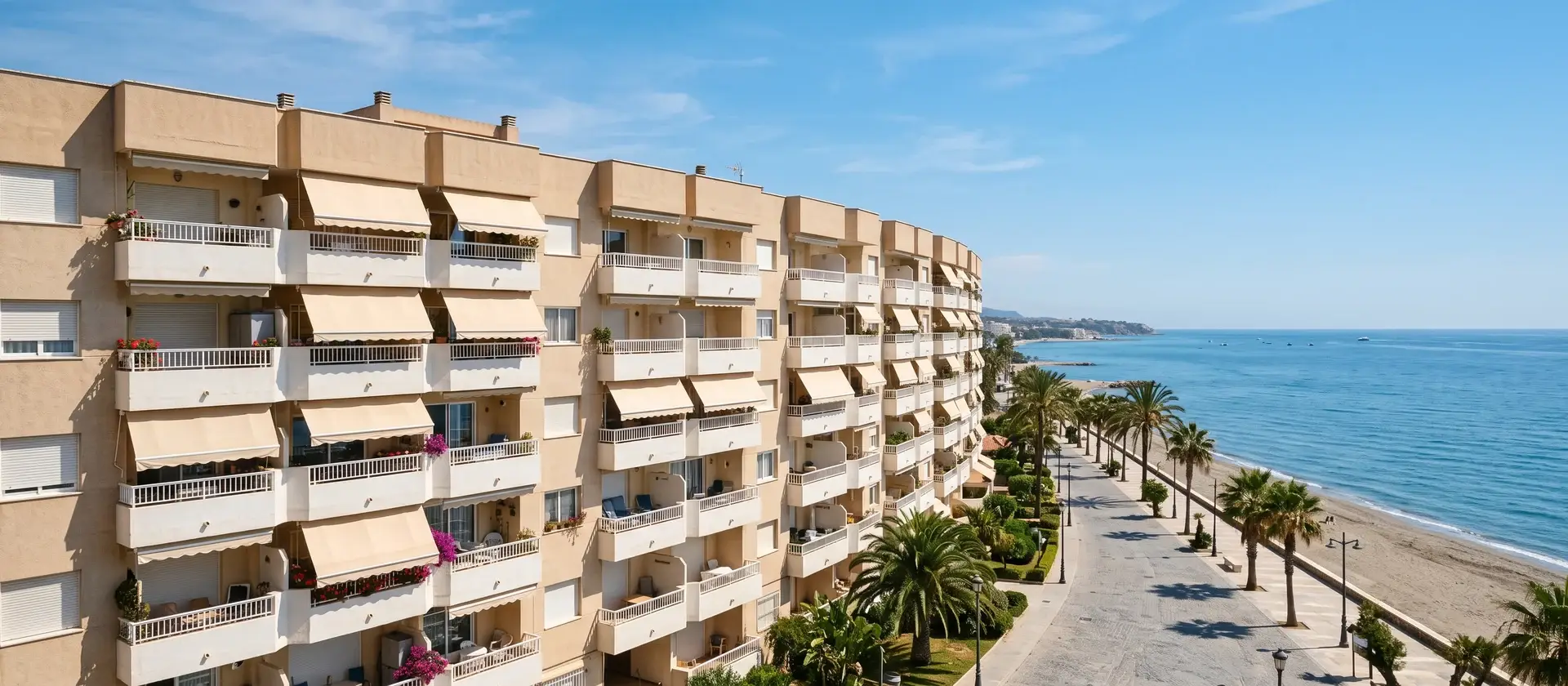
The rise of Flex Living: Malaga and Seville, new horizons for Flexible Accommodation

The global real estate market is constantly adapting to new ways of living and working. In this dynamic panorama, a concept has emerged that redefines the housing experience: Flex Living. This innovative proposal is establishing itself as an attractive alternative for various user profiles and, at the same time, as a high-potential investment opportunity.

What exactly is Flex Living? It is not simply a traditional rental or tourist stay. It is a model that combines the privacy of an individual living space with the added value of large communal areas and a range of integrated services. Imagine having your own flat, but with access to a modern gym, a fully equipped coworking space, leisure areas and services such as cleaning or laundry, all within the same complex. In addition, the creation of a community is encouraged, a key aspect for many. This format is designed for medium-term stays, ranging from a few months to a year or more.

This type of Flexible Accommodation responds directly to the needs of a growing segment of the population: digital nomads, young professionals, graduate students, or people who are relocating for work. They are looking for a housing solution that offers flexibility, comfort, amenities and the ability to connect with others, without the strings attached to a long-term lease or the impersonality of a hotel.

While cities such as Madrid and Barcelona have historically been the focus of investment in innovative residential models, investors' eyes are now turning to southern Spain. Malaga and Seville are positioning themselves as two of the favourite cities for Flex Living development.

Why these Andalusian capitals? The answer lies in a combination of strategic factors. Both cities are experiencing remarkable economic growth, driven by the booming technology and service sectors, and by the presence of prestigious universities that attract national and international talent. They offer an exceptional quality of life, an enviable climate and a competitive cost of living compared to the big metropolises. This dynamic generates a growing demand for Flexible Accommodation from a young and mobile population.

For the investor, Flex Living in Malaga and Seville presents a double attraction. On the one hand, property acquisition costs are generally more affordable than in more established markets, which can translate into higher yields. On the other hand, the specific supply of this type of Flexible Accommodation is still in its infancy, which creates a significant window of opportunity to satisfy a latent and growing demand. The professionalised management of these assets by specialised operators ensures the efficiency and profitability of the model.

The next edition Vitur Summit 2026 will take place in Malaga on Thursdays 13 and 14 May and will once again be the meeting point for operators, investors and companies in the sector to boost their business, establish strategic alliances with the different agents involved and gain access to all the latest news, trends and opportunities in the sector from leading speakers and companies.

Continue reading

Madrid Redefines Flexible Accommodation: New Tourism Law Recognises it as Official Accommodation and Raises Standards
The Community of Madrid has launched one of the most far-reaching reforms for the Flexible Accommodation sector. The new draft Tourism Law will recognise for the first time the Tourist Use Dwellings (VUT) as a type of official tourist accommodation, establishing a framework that seeks professionalisation, quality and greater legal security.
Portugal Ventures Accelerates Flexible Accommodation Innovation with 1.5 Million Investment in Feel Sampa
Portugal's tourism ecosystem gets a new boost. Portugal Ventures has injected €1.5 million in the startup Feel Sampa, a technology platform designed to revolutionise the management of Flexible Accommodation. This strategic investment aims to consolidate Portugal as an innovation hub in the hospitality industry.
The Short Stay Rental Challenge in 2026: How European Regulation is Filtering the Professional Market
On 5 February 2026, the European Parliament adopted key legislative proposals to tackle the housing crisis on the continent.
Andalusia, Queen of Europe: Flexible Accommodation Conquers the Lead Ahead of the Côte d'Azur
The Andalusian region has been crowned as the most demanded destination in Europe for Flexible Accommodation, surpassing iconic locations such as the Côte d'Azur or Catalonia. With a record 26.6 million overnight stays in 2025, the sector is proving to be a key economic pillar, dominated by small owners and in the midst of adapting to a new regulatory framework.
The Inexhaustible Power of PBSA: Student Residences Consolidate as Spain's Star Flexible Accommodation Asset
Far from being a passing fad, investment in student housing (PBSA) in Spain confirms its long-term appeal. The sector's major operators point to structurally solid demand and a shortage of quality supply as the drivers of a segment that continues to attract institutional capital and defy any signs of drying up.
Welcomer Breaks into the Market: A New Operator is Born to Capitalise on the Seasonal Rental Boom
Flexible Accommodation in Spain welcomes a new specialised player. Welcomer, led by Axel Edric Capriles, is born to focus on the growing niche of seasonal rentals, a segment driven by new work models and increasing restrictions on traditional tourist rentals, seeking to offer high quality solutions for medium-term stays.